Are you experiencing persistent tooth pain or sensitivity? You might need a root canal treatment. While the term often causes anxiety, modern root canal procedures are safe, virtually painless, and highly effective at saving your natural teeth. This comprehensive guide covers everything you need to know about root canal treatment, from understanding the procedure to post-treatment care.
At Royal Dental Clinics, Mumbai, our world-class dental experts, led by Dr. Chirag Chamria, specialize in painless, single-visit root canal treatments. Using modern dental technology, digital imaging, and advanced anesthesia techniques, our team ensures that your experience is comfortable, quick, and stress-free.
A root canal doesn’t just stop tooth pain — it saves your natural smile, prevents the need for extraction, and protects the surrounding jawbone and gums from future infection. Unlike traditional methods that required multiple visits, our same-day root canal treatment allows patients to walk in with pain and walk out with relief — all in just a few hours.
Whether you’re dealing with an infected tooth, post-cavity discomfort, or sensitivity due to trauma or decay, understanding how root canal treatment works can help you make the right choice for your oral health.
What Is Root Canal Treatment?
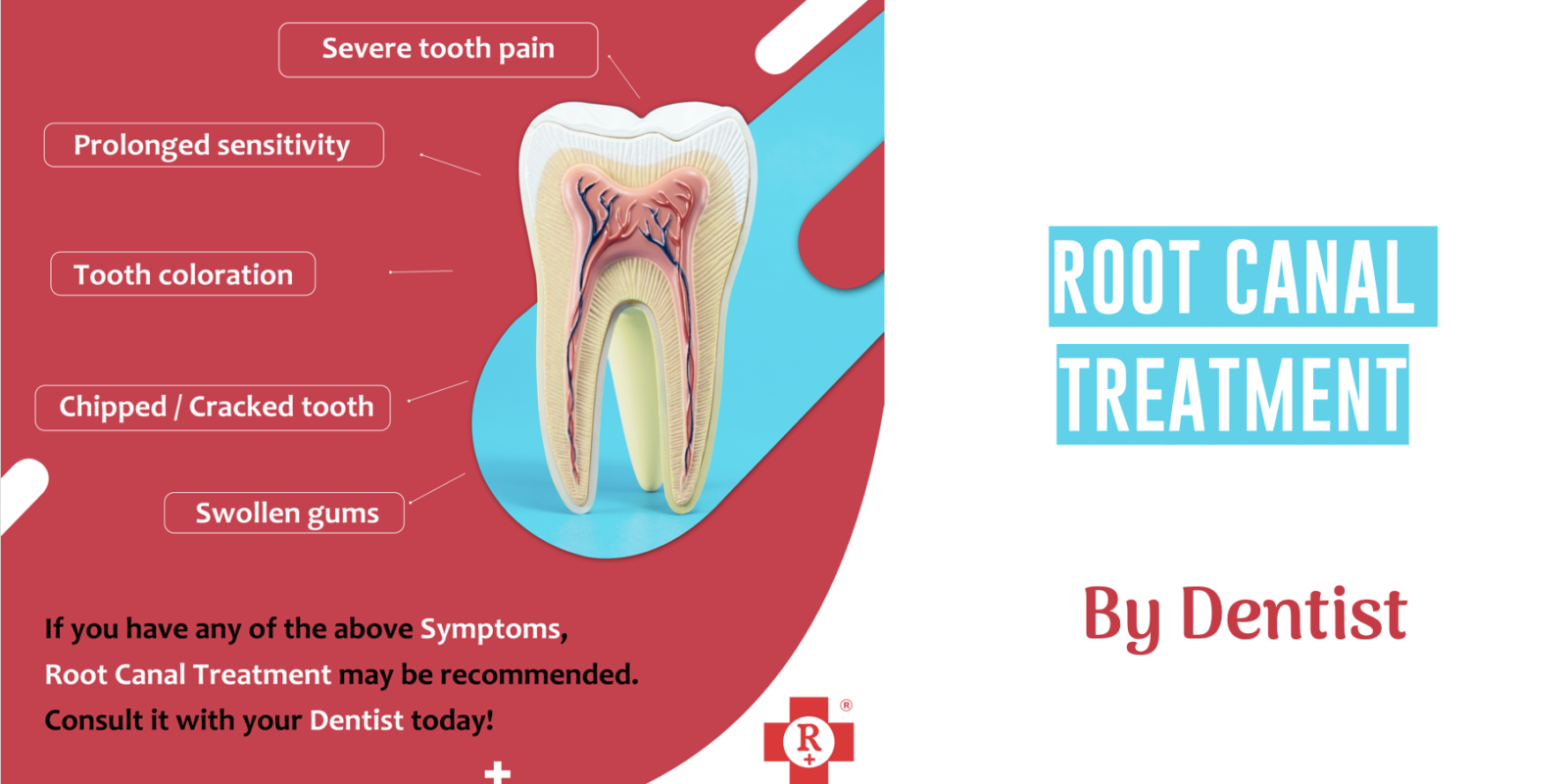
Root canal treatment, also known as endodontic therapy, is a dental procedure designed to repair and save a badly damaged or infected tooth instead of extracting it. The term “root canal” refers to the natural cavity within the center of the tooth where the pulp chamber and nerve tissue are located.
The procedure involves cleaning the infected canals inside a tooth’s root, removing damaged pulp tissue, and sealing the tooth to prevent future infections. This treatment allows you to keep your natural tooth rather than requiring bridges, implants, or dentures.
When Do You Need a Root Canal?
Root canal treatment becomes necessary when the pulp—the soft tissue inside your tooth containing nerves, blood vessels, and connective tissue—becomes inflamed or infected. Common causes include:
- Deep tooth decay that has reached the pulp chamber
- Repeated dental procedures on the same tooth
- Cracks or chips in the tooth, allowing bacteria to enter
- Trauma or injury to the tooth, even without visible damage
- Severe gum disease affecting the tooth’s root
If left untreated, an infected pulp can lead to serious complications, including abscess formation, bone loss, and the spread of infection to surrounding tissues.
Can Root Canal Treatment affect area nearby?
Root canal treatment is a procedure that is needed when the pulp in a tooth becomes infected. The pulp is the soft tissue in the centre of the tooth that contains nerves and blood vessels. It is what helps the tooth to grow and stay healthy. An infection in the pulp can cause pain, swelling, and a bad taste in the mouth. If not treated, an infection in the pulp can spread to the surrounding tissues and cause tooth loss.

Is there any risk during Root Canal Treatment?
As with any medical procedure, there is some degree of risk. You may experience some discomfort and swelling during the procedure. Some patients may also experience some nausea. During the procedure, the dentist may break, or fracture, one or two teeth nearby. Therefore, they will take precautions to prevent this, such as making the patient bite on a piece of gauze.
Root canal treated teeth will never be as strong as they were before the bacterial infection and treatment. As the tooth essentially dies during the procedure, with all the living parts taken out, teeth can potentially become quite brittle. While you shouldn’t have significant pain after a root canal, you may notice sensitivity for the first few days. These symptoms are normal and can be successfully managed with prescription or over-the-counter pain relievers. In most instances, side effects lessen within one to two weeks.
What are the aftercare Instructions post Root Canal treatment?
✦ Eat a healthy diet: Make sure that your diet is rich in nutrients like vitamins, minerals, and proteins. You may also want to consider taking multivitamins as a supplement.
✲ A balanced diet includes plenty of fresh fruits and vegetables, which can help you to achieve and maintain a healthy weight.
Make sure that you stay hydrated by drinking lots of water every day.

✦ Stay hydrated: During root canal treatment, you may experience less energy and feel tired. This is normal as your body is trying to recover. Hydrating yourself can help you feel better.
✲ Practice good oral hygiene: Follow the dentist’s advice about how to clean the area near your treated tooth. You may also want to look for a toothpaste that is recommended for sensitive teeth.
Root canal therapy is generally safe and effective, with a success rate of more than 95%. Like any other medical or dental procedure, though, a root canal can occasionally fail. This is normally due to a loose crown, tooth fracture, or new decay. Root canals can fail soon after the procedure, or even years later.
If you have pain or infection due to cavity, which is deep and near the pulp of your teeth; you may need options other than Dental Filling.
Why get a root canal treatment done?
In laymen terms, a root canal is a procedure used to treat tooth infections which the tooth has to be put under pressure to prevent the infection from spreading. Root canals are performed by creating a hole through the tooth and injecting a medication to kill the bacteria in the tooth. The medication is injected at the level of the pulp or lingual nerves. It is a simple procedure which doesn’t have any side effects and hence requires little anesthesia and comfort during the procedure.
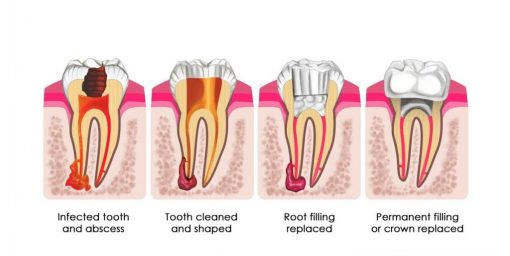
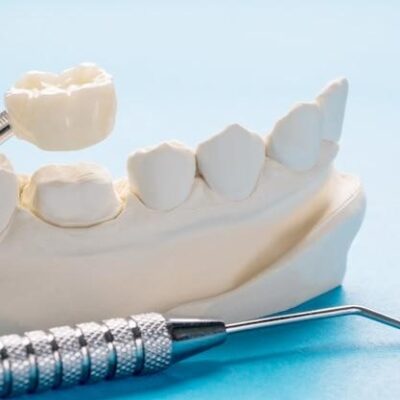
After eradicating the infection from the tooth, a dental crown is placed over the area to protect the natural tooth from further damage. This is the gist of the Root Canal Treatment. Generally, people are less concerned when it comes to a dental treatment. Hence, most patients avoid getting dental treatment done and also feel that dental procedures are very expensive and time-consuming as multiple visits are required. However, Root canal treatment is a very common dental procedure and can be carried out in one sitting.
Conclusion
Root canal is a dental procedure performed to save a tooth from being extracted due to an infection in the pulp. It can also be used to treat broken teeth or teeth that have shifted out of place. It is important to visit a dentist regularly to prevent tooth damage and infection. During root canal treatment, the dentist will remove the infected pulp from inside and then fill the empty root canal with a special material. The dentist will apply a temporary filling after the root canal is filled with the special material. You will need to return to the doctor after a couple of weeks to get a permanent filling.