
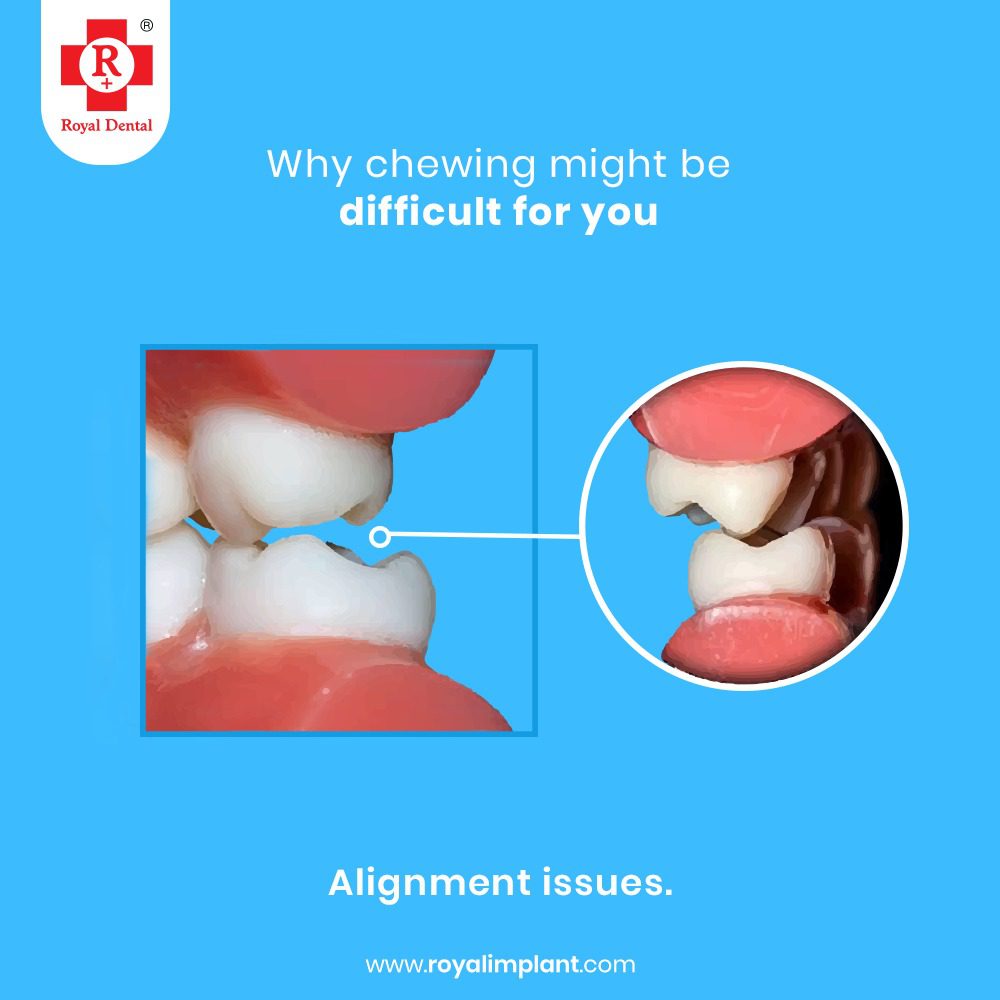
Occlusal imbalance occurs when the upper and lower teeth do not meet properly, placing excessive pressure on the teeth, gums, and supporting bone. This uneven bite can lead to trauma from occlusion, tooth sensitivity, bleeding gums, and even blood in saliva. Early diagnosis and treatment help prevent further damage to the teeth and surrounding tissues.
Who Is This Article For?
This article is for individuals experiencing blood in saliva, bite problems, tooth sensitivity, loose teeth, or discomfort while chewing. It is also useful for patients who have recently received dental fillings, crowns, or bridges and want to understand how an uneven bite can affect their oral health.
Causes of Occlusal Imbalance
- Biting on hard or sticky objects like pan, supari, naan
- High point after dental fillings
- Tight contacts between teeth or an active fit of prosthesis
- Pathological migration due to missing teeth
- Supra eruption of teeth
- Misfit of crowns and bridges
- Plunger cusps
- Blood in saliva
How Is It Diagnosed?
Dentists diagnose it through a comprehensive clinical examination, bite analysis, and digital imaging when required. They evaluate how your upper and lower teeth come together, identify high bite points, assess tooth wear, and check for signs of periodontal damage to determine the most appropriate treatment.
Signs and Symptoms for Occlusal Imbalance
Blood in saliva is one of the clinical signs of trauma from occlusions. Patients with trauma from occlusions usually present bony defects. At night as there is no movement of muscles and cleaning activity of saliva which leads to pooling of blood in the oral cavity. In the morning while rinsing or spitting the patient finds presence of blood in saliva.
- Tooth mobility and migration
- Blood in saliva and pain
- Sensitivity to hot and cold
- Wear-off of tooth facets
- Gingivitis or bleeding gums
Can It Be Prevented?
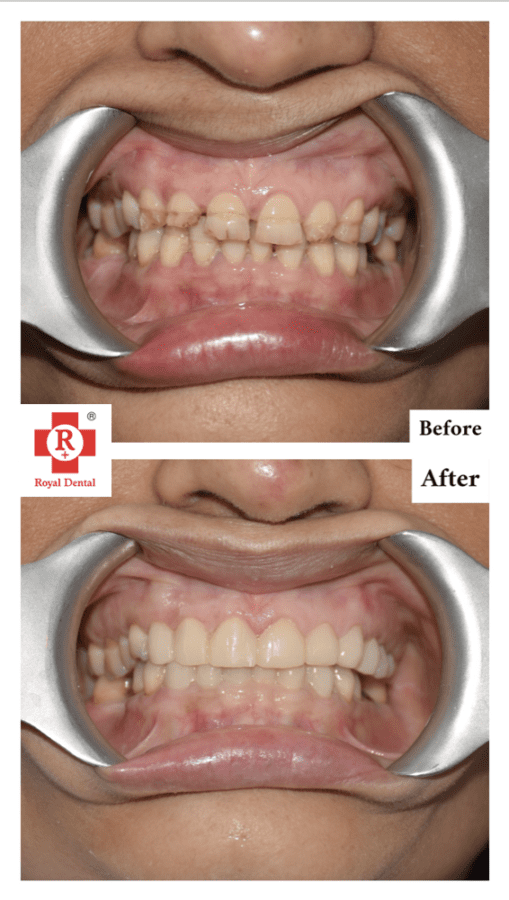
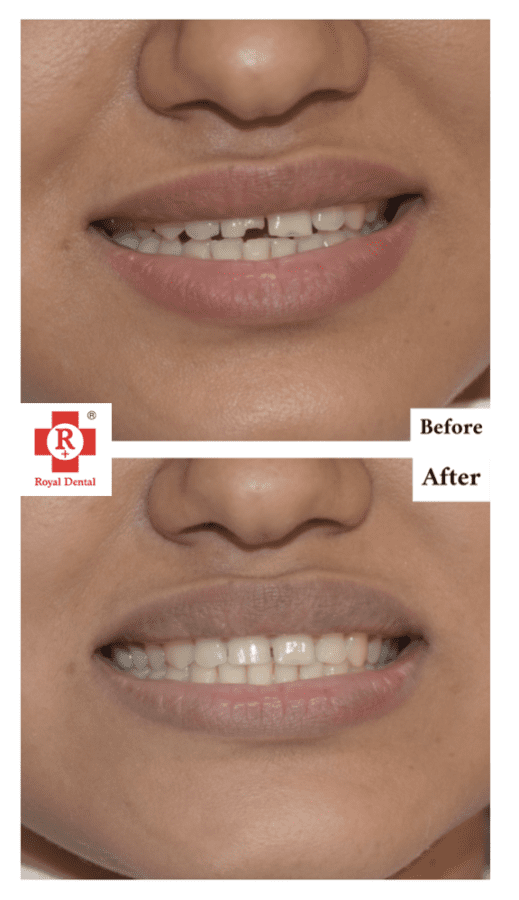
Regular dental check-ups, timely replacement of damaged restorations, proper orthodontic treatment when required, and routine professional cleaning can help reduce the risk of it. Addressing bite problems early prevents unnecessary stress on the teeth, gums, and jaw joints.
Treatment for Occlusal Imbalance
- Scaling and root planning: Thorough debridement of plaque and calculus with ultrasonic devices done to keep the surfaces clean. Reshaping, bonding, or capping of teeth required.
- Although Replacing faulty restorations: Must be replaced with well-defined restorations having proper seal and contacts.
- Coronoplasty /occlusal reduction: Grinding of tooth cusps done by using occlusal strips. A period of 3-4 weeks given for healing of periodontal tissues.
- Splinting: Tooth mobility also restricted by splinting the mobile teeth with stable teeth. It can done by orthodontic wires, fibre splints or full bridge. Dental appliances like retainers for alignment of teeth.
- Surgical procedure: For angular bone loss periodontal flap surgeries and regenerative surgeries can be performed.
- Extraction: Least preferred at Royal Dental Clinics but yes! if required then an extraction of overcrowded tooth may be required.
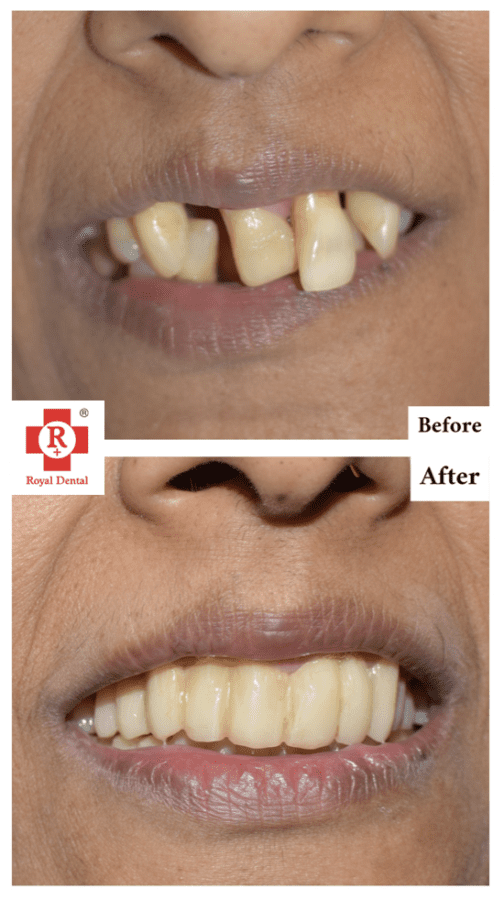
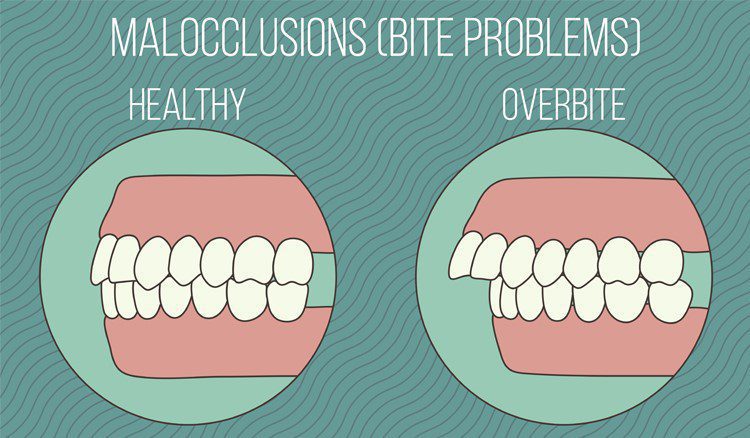
Your dentist will typically correct malocclusion of teeth seen mainly in children and adults. Receiving early dental treatment in during childhood can help reduce the treatment duration and may lead to fewer dental concerns later on. Adults can also get good results! The earlier you treat malocclusion, the better the outcome, Alignment of your upper teeth with lower will prevent you from biting your cheeks and lips. You may be required to visit your dentist for 2-3 sittings as the bite regularly changes and adjusting the same is important.
Conclusion
Occlusal imbalance can lead to trauma from occlusion, blood in saliva, tooth sensitivity, and progressive damage to the supporting tissues if left untreated. Early diagnosis, regular dental examinations, and timely bite correction can prevent long-term complications and help preserve your natural teeth. If you experience symptoms of an uneven bite, consult the experienced team at Royal Dental Clinics for a comprehensive evaluation and personalized treatment.
Restore Your Bite with Expert Dental Care
If you notice blood in your saliva, discomfort while chewing, or changes in your bite, schedule a consultation at Royal Dental Clinics. Our experienced team will identify the cause of your occlusal imbalance and recommend a personalized treatment plan to restore your oral health.
FAQs
What is occlusal imbalance?
It occurs when the upper and lower teeth do not bite together properly, causing excessive pressure on certain teeth and supporting structures.
Can it cause blood in saliva?
Yes. In some cases, trauma from occlusion may irritate the gums and periodontal tissues, leading to bleeding that may appear as blood in saliva.
What causes trauma from occlusion?
Common causes include high dental fillings, poorly fitting crowns or bridges, missing teeth, tooth grinding, and bite misalignment.
How is it treated?
Treatment depends on the cause and may include bite adjustment, replacement of faulty restorations, splinting, orthodontic treatment, periodontal therapy, or full mouth rehabilitation.
Can untreated occlusal imbalance damage teeth?
Yes. If left untreated, it may contribute to tooth wear, gum problems, tooth mobility, jaw discomfort, and damage to supporting bone.
© All rights reserved by Royal Dental Implants Pvt Ltd
Issued in public interest