A confident smile can light up a room but when teeth are missing, that confidence can easily fade. Beyond the obvious aesthetic concerns, tooth loss reshapes how individuals feel about themselves. It affects speech, eating habits, and how freely one interacts with others. However, with today’s advanced dental treatments, regaining a full, radiant smile is easier and more comfortable than ever — and the psychological transformation that follows is just as essential as the physical one.
Hidden Emotional Impact of Missing Teeth
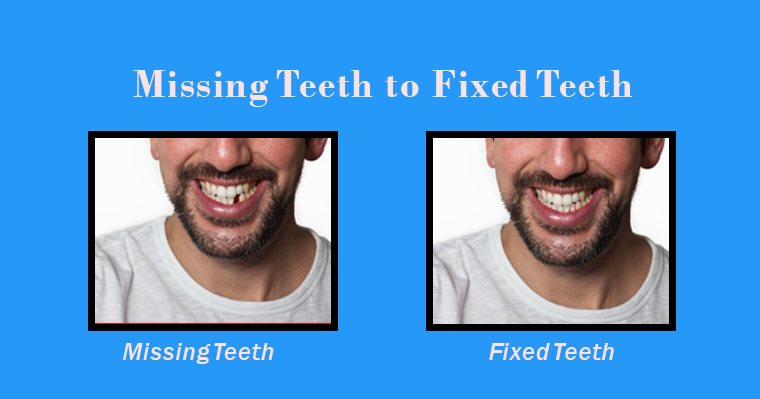
Tooth loss is more than a cosmetic issue. It carries emotional and psychological weight. Many people who lose a tooth — whether through injury, decay, or gum disease — often experience embarrassment or social withdrawal. The gap in their smile becomes a constant source of self-consciousness. They may refrain from smiling, avoid photographs, or even limit conversations out of fear that others might notice the missing tooth.
Over time, this withdrawn behavior can dent self-esteem. A missing front tooth, for instance, immediately disrupts facial balance and draws unwanted attention. But even missing back teeth can impact confidence by affecting the way one chews or speaks. Misaligned bite forces and changes in facial support can lead to premature wrinkles or a sunken appearance around the mouth — subtle yet powerful indicators that something has changed.
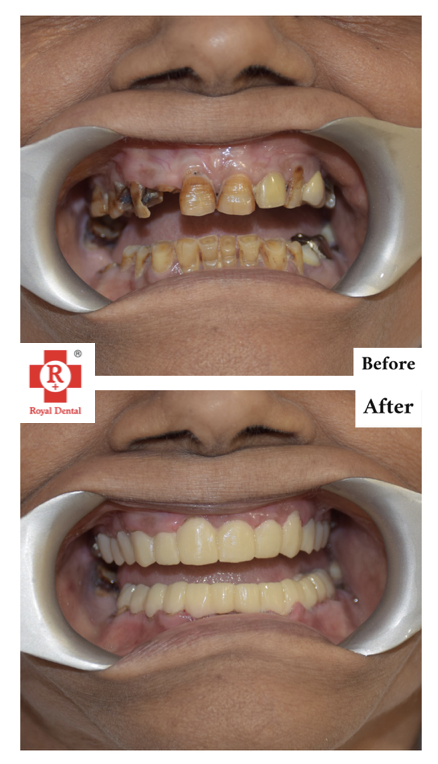
Physical Connection Between Teeth and Appearance
Our teeth do more than help us eat — they shape the structure of our face. The jawbone relies on the regular stimulation it receives from tooth roots to maintain volume and strength. When teeth are missing, this stimulation stops, leading to gradual bone resorption (shrinkage). Over time, this loss can alter facial proportions, making the cheeks appear hollow or the jawline less defined.
Additionally, missing teeth can cause adjacent teeth to drift or tilt into empty spaces, disturbing bite alignment. This not only affects chewing efficiency but can create visible irregularities that add to aesthetic concerns. In essence, missing teeth subtly influence every aspect of facial appearance — and addressing them early can prevent long-term deterioration.
How Modern Dentistry Restores Confidence
The good news is that dental science today offers highly predictable and natural-looking solutions for missing teeth. Each option is designed not only to restore function but to rebuild confidence and protect oral health for the long term. Let’s explore the most trusted treatments available:
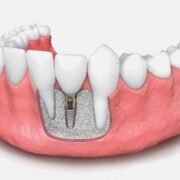
1. Dental Implants: The Gold Standard SolutionDental implants have revolutionized tooth replacement. These small titanium (or zirconia) posts are surgically placed into the jawbone, where they fuse with the bone through a process called osseointegration. Once integrated, implants serve as artificial roots, providing a stable foundation for crowns, bridges, or even full-arch restorations.The results are life-changing: implants look, feel, and function like natural teeth. Because they preserve bone and gum tissue, they help maintain facial contours. For patients who have long struggled with loose dentures or gaps, implants bring renewed confidence in speaking, laughing, and eating — without fear of slipping or discomfort.
2. Dental Bridges: Restoring ContinuityA dental bridge is an ideal solution when one or a few teeth in a row are missing. It “bridges” the gap using support from adjacent healthy teeth or implants. Modern bridges are crafted with advanced ceramic materials that mimic the color and translucency of natural enamel.Bridges not only enhance appearance but also restore balance in the mouth, preventing surrounding teeth from shifting. Patients often report that once their smile looks complete again, they rediscover the confidence to engage in social situations freely — no longer hesitant about hiding their teeth.
3. Dentures and Partial Dentures: A Renewed Smile for AllFor those missing multiple teeth, modern dentures offer comfort and aesthetics far superior to what previous generations experienced. Today’s dentures are lightweight, customized to the patient’s facial structure, and designed to stay securely in place — especially when supported by dental implants (implant-retained dentures).

Restoring a full arch of teeth instantly changes how a person feels about their appearance. Eating becomes more enjoyable, facial fullness returns, and the smile once again becomes a feature of pride rather than worry.
The Psychological Shift After Tooth Replacement
Patients frequently describe their post-treatment experiences as transformative. Beyond improved function, they regain a part of themselves — their confidence. A once-reluctant smile now becomes spontaneous. Public speaking, professional communication, and even casual social interactions feel natural again.
Confidence, in this sense, isn’t superficial. It’s rooted in self-acceptance and comfort in one’s appearance. When patients look into the mirror after dental rehabilitation, they often remark that they “feel like themselves again.” This sense of renewal ripples into every part of daily life — from career progression to personal relationships.
The Role of Dental Professionals in Confidence Building
As dental professionals, the goal extends beyond simply replacing missing teeth. It’s about restoring harmony between oral health and emotional well-being. Through empathy, clear communication, and personalized treatment planning, dentists help patients envision what’s possible — guiding them from uncertainty to optimism.
At Royal Dental Clinic, for instance, a comprehensive evaluation and smile design approach ensure that every restoration complements facial aesthetics while maintaining function. Whether through advanced digital imaging, zygomatic implant technology, or zirconia prosthetics, each smile transformation is built to last.
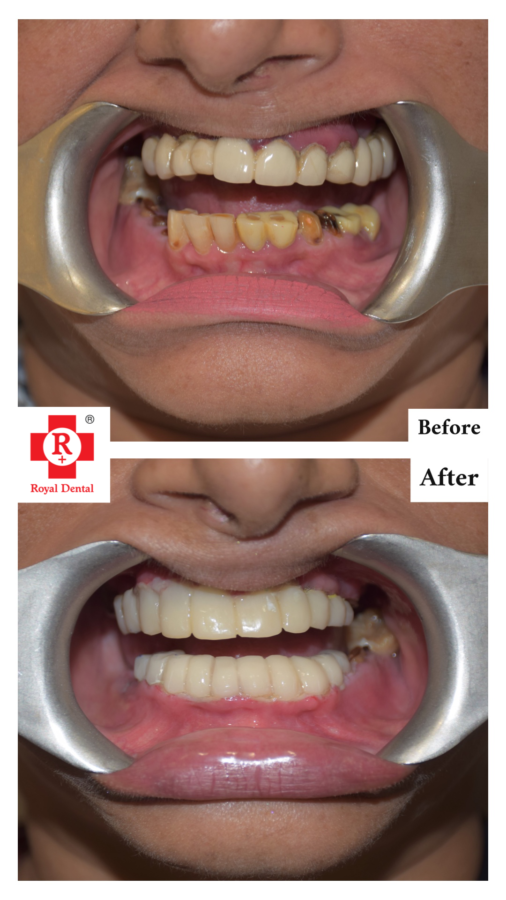
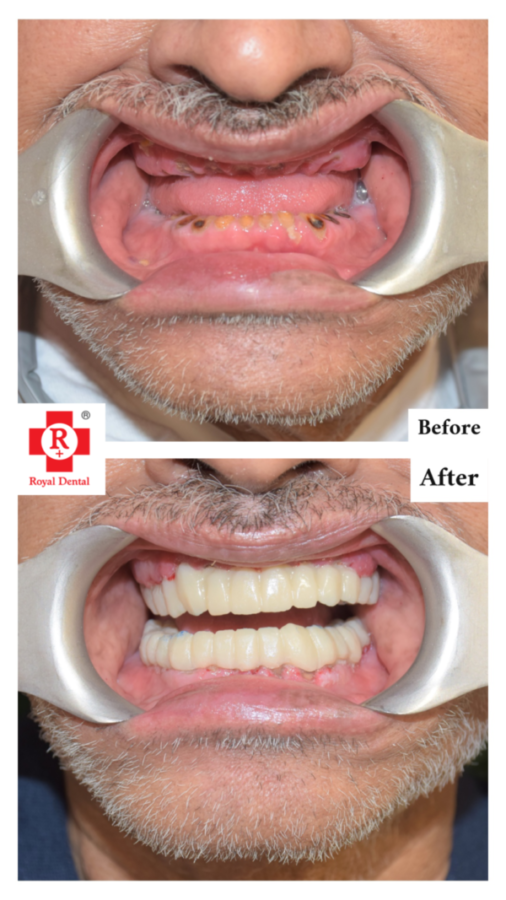
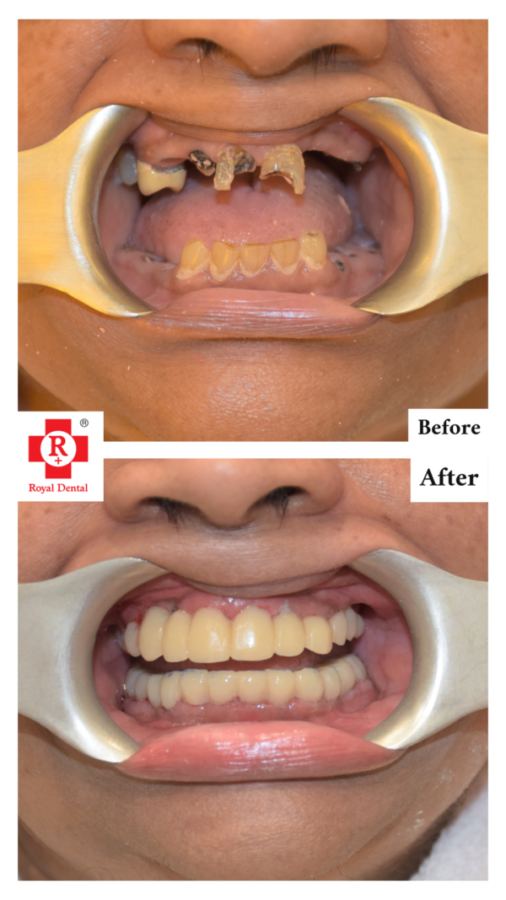
The Ripple Effect of a Restored SmileThe impact of replacing missing teeth extends far beyond the dental chair. Patients who once avoided social events begin attending confidently. Those who resisted professional opportunities involving public interaction often rediscover their voice. Eating, laughing, and smiling — simple acts once taken for granted — become sources of joy once again.
In essence, missing teeth treatment does more than renew appearance; it reignites self-belief. Confidence radiates outward, influencing how others perceive and respond to us — a powerful reminder of how deeply oral health connects to emotional well-being.
A Smile That Reflects You
Every smile tells a story, and missing teeth shouldn’t overshadow yours. Whether you choose dental implants, bridges, or dentures, the goal is the same — to bring back the natural balance between form, function, and confidence.
In today’s world, no one needs to hide their smile. With personalized dental solutions, expert guidance, and modern technology, it’s entirely possible to restore not just your teeth, but your sense of self. Because when your smile feels genuine, your confidence shines effortlessly — and that’s something worth sharing with the world.