
In this article, we’ll break down the key differences between scaling, filling, and cleaning, what they are, when they’re needed, and how they contribute to your overall oral health.
When you go to see the dentist, you can expect to see words such as scaling, filling, and cleaning. Although they all contribute to good oral health, each has a different function and entails distinct procedures.
Cleaning (Dental Prophylaxis)
Regular upkeep to maintain healthy teeth and gums. What It Involves:
- Plaque (soft, sticky layer of bacteria) and tartar (hardened tartar) removal from teeth.
- Polishing the teeth to remove surface stains.
- Flossing and occasional fluoride treatment.
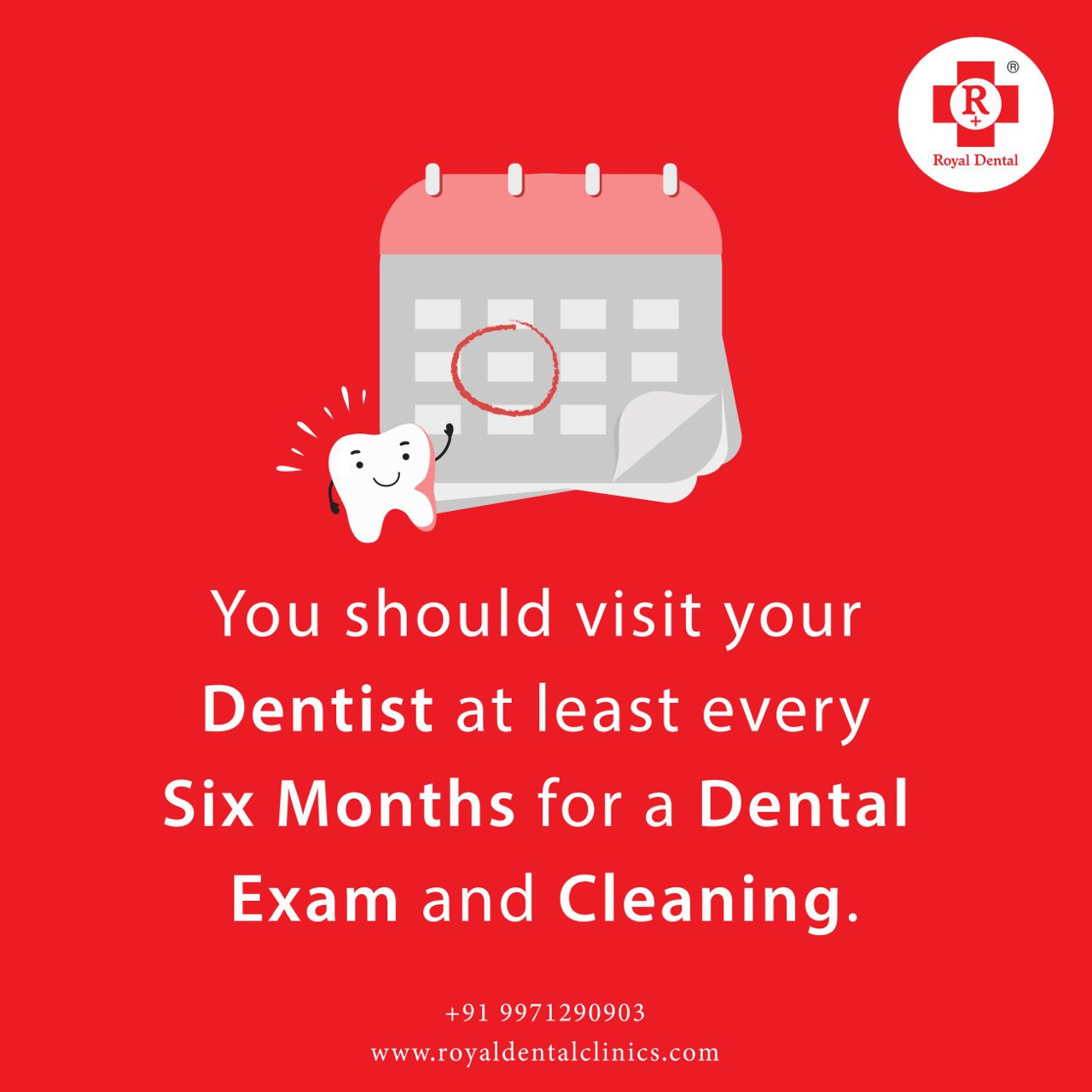
- When It’s Done: Usually every 6 months as part of a routine dental visit.
- Who Needs It: Everybody, as a preventive measure for dental care.
A routine “maintenance wash” for your teeth.
Scaling (Deep Cleaning)
To treat and control gum disease (gingivitis or periodontitis). What It Involves:
- A more thorough cleaning than a routine cleaning.
- Plaque and tartar removal below the gum line where routine cleaning instruments can’t reach.
- Sometimes combined with root planing, which removes plaque and tartar to smooth the surfaces of the roots so gums can reattach to teeth.
- When It’s Done: When there’s evidence of gum disease (e.g., deep gum pockets, bleeding gums, bone loss).
- Who Needs It: Patients with moderate to severe gum disease.
Filling
Repair a tooth that is decayed (a cavity) or has small fractures. What It Involves:
- Drilling out the rotten part of the tooth.
- Cleaning the area affected.
- Sealing the cavity with a substance like composite resin, amalgam, or ceramic.
- When It’s Done: When a cavity is found or a tooth is broken, but can still be saved.
- Who Needs It: Anyone with cavities or minimal structural damage to a tooth.