
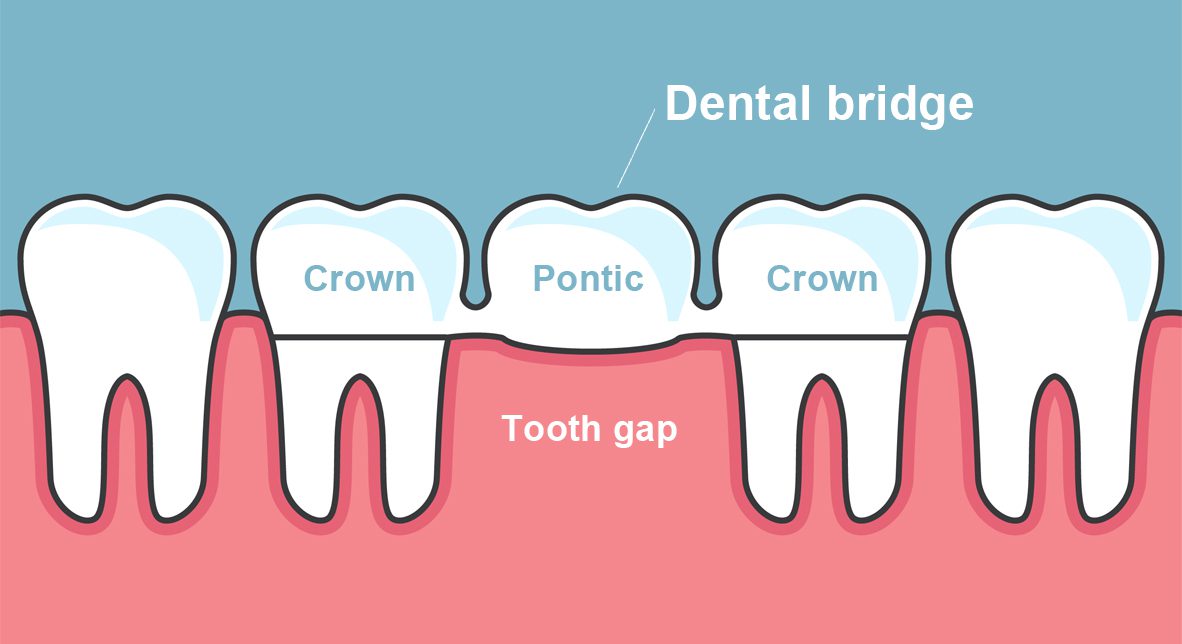
When you have lost some or all of your natural teeth, it can leave you feeling self-conscious and unhappy. These feelings will only be compounded if the gaps in your smile are visible when you speak or smile. The good news is that there are a number of affordable dental procedures at Dentist in Mumbai and solutions available to correct this problem and give you that confident smile once again. SAPTeeth dental bridges are an effective way to correct the appearance of your smile when one or more teeth have been lost. Learn about the Cost for Dental Bridges Restoration Procedure, including treatment steps, material options, SAPTeeth dental bridges, root canal needs, and factors that affect it.
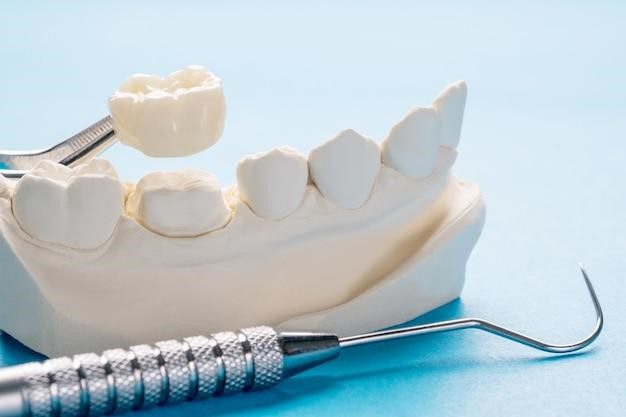
A bridge usually involves two crowns on either side of the gap with a small artificial tooth fitted between them. The process is time-consuming and significantly more costly than other methods such as dentures or dental implants. But the benefits far outweigh the cost. Here we explore the costs involved in a tooth bridge procedure and bridge restoration procedure
Who is this Blog For?
This blog is for patients who have one or more missing teeth and are considering a dental bridge as a replacement option. It also helps patients compare bridges with other options like dentures or implants, and understand whether additional treatment such as root canal may be needed before bridge placement.
What are Dental Bridges?
They are a cosmetic dental restoration procedure that replaces missing teeth with artificial ones. These false teeth span the space between existing teeth to retain the aesthetics of the smile and preserve the natural shape and line of the teeth. A bridge spans the gap between two teeth to replace one or more missing teeth.
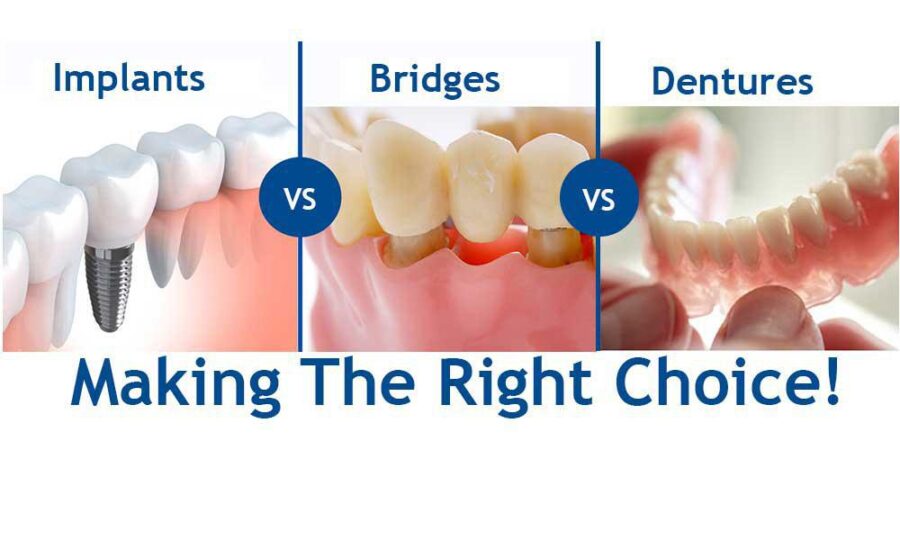
There are two types of tooth bridges: A conventional bridge is made using two adjacent teeth as anchor points. The artificial teeth are connected to the anchor teeth with a metal framework that is cemented onto the teeth. A cantilever bridge is similar to a conventional bridge, but the artificial teeth are not connected to the anchor teeth. Like a conventional bridge, a cantilever bridge uses two adjacent teeth as anchor points.
Why are Bridges so costly?
The price of a dental bridge, like most other cosmetic procedures, is largely determined by the materials used and the location in which it is carried out. A tooth bridge usually involves two crowns on either side of the gap with a small artificial tooth fitted between them. This is what makes it more costly than other procedures that involve dentures, such as partial dentures and full dentures. Due to the materials and the expertise required to work with them, a dental bridge can often cost more than $1,000. There are many factors that determine the price of a dental bridge, including the state of your teeth, the materials used, the dentist’s experience and location.
The Cost for Dental Bridges Restoration Procedure also depends on the material selected for the bridge. Some patients may need a bridge for a single missing tooth, while others may need a longer restoration for multiple missing teeth. In some cases, additional treatment such as root canal, gum care, or tooth preparation may be required before placing the final bridge.
Procedure for a SAPTeeth Dental Bridge
Before your dentist can begin the procedure for a bridged tooth. There are a few things that need to be done. First, your dentist will need to examine your teeth and gums, X-ray your teeth, and assess the health of your gums. In most cases, the dentist will also take impressions of your teeth so that the crowns can be custom made for each individual tooth. The next step is to select the appropriate materials for your bridge. The dentist will select SAPTeeth based on their aesthetics and durability.
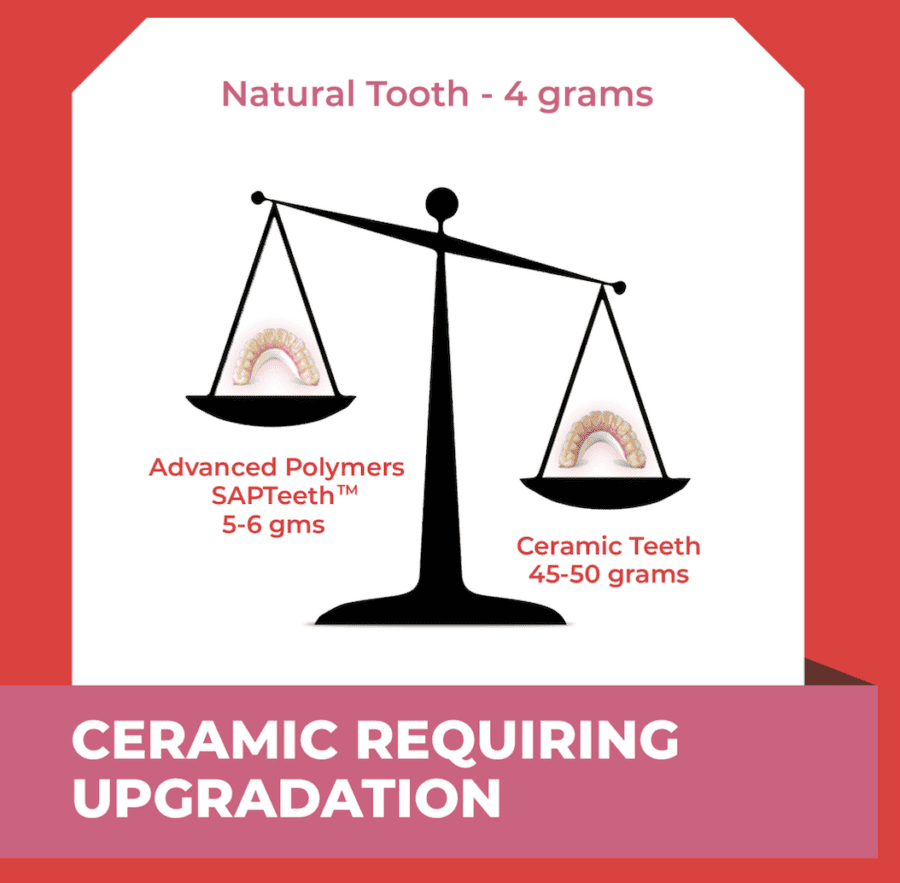
The dentist will then begin placing the SAPTeeth bridge by first preparing the areas that will be receiving the crowns with a special cement that ensures that the crowns will be securely attached to your teeth. The procedure for a bridged tooth can take anywhere between two and three appointments, depending on the complexity of your case.
Is a Root Canal needed before a Bridge?
A root canal is the most common procedure that is performed before a fixed bridge can be placed. The purpose of this procedure is to clean the pulp of infection and inflammation. Without this clean out, a bridge could not be fixed on the tooth. Most dentists recommend getting a root canal procedure done before the bridge is placed. However, there are also some dentists who will place the bridge without performing a root canal. As such, you should ask your dentist about their specific policy before deciding on a procedure.
What affects dental bridge cost?
The cost of a dental bridge depends on the number of missing teeth, number of support teeth, bridge material, condition of gums, bite, need for root canal, post and core, crown lengthening, old bridge removal, and laboratory work. Bridge cost may vary depending on whether the material is PFM, ceramic, zirconia, metal-free, or SAPTeeth. Each material has different strength, aesthetics, repairability, thickness requirement, and maintenance needs.
What should be included in the estimate?
Patients should ask whether the cost includes X-rays, tooth preparation, temporary bridge, final bridge, material selection, cementation, bite adjustment, follow-up, and treatment of supporting teeth if required.
Conclusion
A dental bridge is a procedure that is used to replace missing teeth and restore your smile. A dental bridge involves the placement of artificial teeth that span the gap between two teeth. However, the high cost of a dental bridge often prevents patients from getting the procedure done. Fortunately, there are ways to reduce the cost of a dental bridge. Booking your dental bridge procedure at least six months in advance can help you save up to 50% on the procedure cost.
FAQs
1. What is a dental bridge?
A dental bridge is a fixed dental restoration used to replace one or more missing teeth. It fills the gap with artificial teeth and is usually supported by the nearby natural teeth or dental support structure.
2. Who needs a dental bridge?
A dental bridge may be suitable for patients who have missing teeth and want to restore their smile, chewing ability, and speech. Your dentist will check your teeth, gums, bite, and bone support before suggesting the right option.
3. Why does the cost of a dental bridge vary?
The cost of a dental bridge depends on the number of missing teeth, material used, condition of supporting teeth, dentist’s expertise, and whether any additional treatment is required before bridge placement.
4. Is a root canal required before a dental bridge?
A root canal may be needed if the supporting tooth is infected, weak, painful, or already damaged. It is not required in every case, so your dentist will decide after examination and X-rays.
5. How many appointments are needed for a dental bridge?
The number of appointments depends on the complexity of the case and the type of bridge planned. Usually, it includes consultation, tooth preparation, impressions or scans, bridge fitting, and final adjustments.
6. Is a dental bridge better than an implant or denture?
Each option has its own purpose. A bridge may be suitable for some patients, while implants or dentures may be better for others depending on oral health, bone support, budget, and long-term treatment goals.