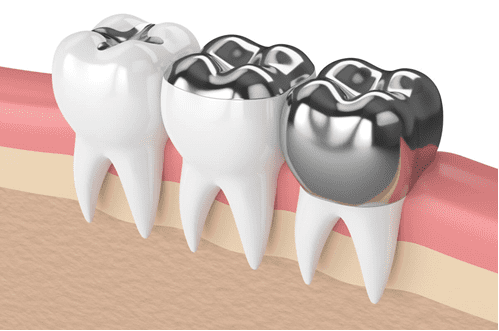
Dental problems are very common nowadays. Despite all the care, people are prone to dental issues. These problems can be tooth decay, cavities, tooth loss, etc. There are various treatments available for dental problems. Most of them are dentures bridges or crowns as the final restoration. One of the best treatments is getting a dental crown for a smile beautification or makeover.
Dental crowns, also known as caps, are protective coverings placed over damaged or weakened teeth. While they offer numerous benefits, including restoring function and enhancing appearance, sometimes they can cause dental crown pain. If you’re experiencing discomfort after getting a dental crown, understanding the potential causes and available remedies can be helpful.
Who is this Article for?
This article is for patients who have recently received a dental crown, bridge, implant-retained bridge, or full mouth prosthesis and are experiencing pain, pressure, sensitivity, gum soreness, food lodgement, or discomfort while biting. It is also useful for patients with older crowns or bridges who suddenly develop pain, bad smell, swelling, bleeding gums, or looseness around the prosthesis.
Normal Sensitivity vs Warning Pain after a Crown
After a crown or bridge is fixed, some patients may feel mild sensitivity to cold, pressure, or chewing for a few days because the tooth and gums have gone through preparation, impression, cementation, or bite adjustment. This should gradually reduce. Pain that increases, wakes the patient at night, feels throbbing, or continues while biting may indicate a high bite, nerve irritation, cracked tooth, decay, cement issue, gum infection, or improper crown fit. The safest approach is to observe mild improving sensitivity, but not ignore pain that is severe, persistent, or worsening.
Pain on biting may mean the Bite needs adjustment
If a crown or bridge touches earlier than the other teeth, the patient may feel pressure, soreness, jaw fatigue, headache, or pain only when chewing. This is commonly called a high bite. Even a small high point can overload the tooth, crown, ligament, opposite tooth, or implant-supported prosthesis. Bite correction is usually a simple clinical adjustment when detected early, but delaying it can make the tooth more sensitive and uncomfortable. Patients should return for follow-up if the crown feels “too tall” or the bite feels different after treatment.
Food lodgement around Dental Crowns should not be ignored
Food stuck around a crown, bridge, or implant prosthesis may look like a small inconvenience, but it can slowly lead to bad breath, gum swelling, bleeding, decay under the crown, cement washout, or infection around the supporting tooth or implant. Patients should not depend only on mouthwash to solve food lodgement. The dentist may need to check contact points, crown margins, bridge design, gum pockets, cement remnants, or fit of the prosthesis. Early correction can prevent a small discomfort from becoming a larger dental problem.
Old crowns bridges can also start hurting later
Pain after a crown is not always immediate. A crown or bridge that was comfortable for years can later develop pain due to decay at the margin, gum recession, loose cement, fracture, bite changes, periodontal pocket, or food lodgement. This is why regular dental check-ups are important even when the crown looks fine from outside. X-rays, clinical examination, bite evaluation, and gum probing may be needed to find the actual cause because the problem may be hidden underneath the crown or bridge.
What patients should do before visiting the dentist?
If crown or bridge pain starts, patients can avoid chewing hard foods from that side, maintain gentle brushing, clean around the area carefully, and note whether the pain is triggered by cold, hot, sweets, biting, or spontaneous throbbing. They should avoid repeatedly taking antibiotics or painkillers without dental evaluation because medication may reduce symptoms temporarily but will not correct a high bite, decay, loose crown, fractured tooth, or infection. If there is swelling, fever, pus, severe pain, or difficulty opening the mouth, the patient should seek dental care urgently.
Causes of Pain after Dental Crown
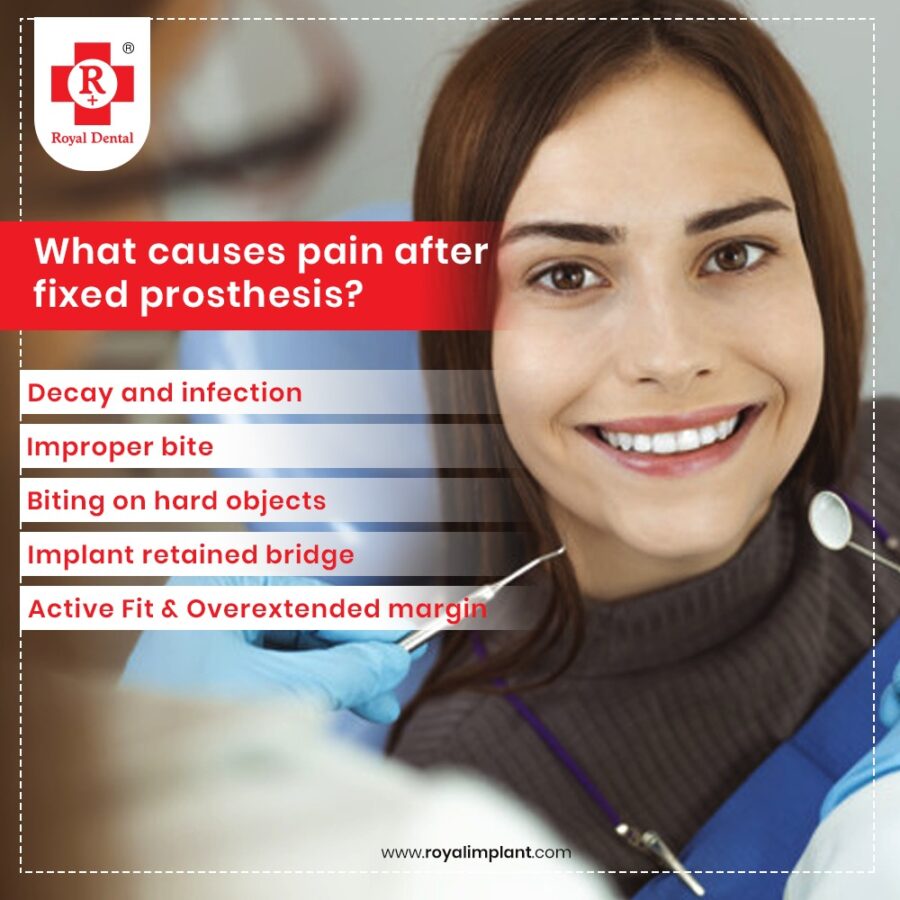
- Improper Fit: An ill-fitting crown can put pressure on the underlying tooth and surrounding tissues, leading to pain. This can occur due to errors during the impression process or changes in the tooth structure after placement.
- High Bite: A crown that is too high can cause pain when you bite down, as it can put excessive pressure on the opposing tooth.
- Irritated Pulp: The procedure of preparing the tooth for the crown can irritate the dental pulp, the soft tissue inside the tooth containing nerves and blood vessels. This can cause sensitivity and pain, especially to hot and cold.
- Gum Inflammation: The fitting of a crown can sometimes irritate the gums surrounding the tooth, leading to pain and discomfort.
- Allergic Reaction: In rare cases, individuals may develop an allergic reaction to the materials used in the crown, such as the metal alloy or the cementing agent. This can manifest as pain, swelling, and redness.
- Underlying Dental Issues: Sometimes, pre-existing dental problems like tooth decay, gum disease, or infection beneath the crown can cause pain.
Pain due to Improper Bite after Dental Crown
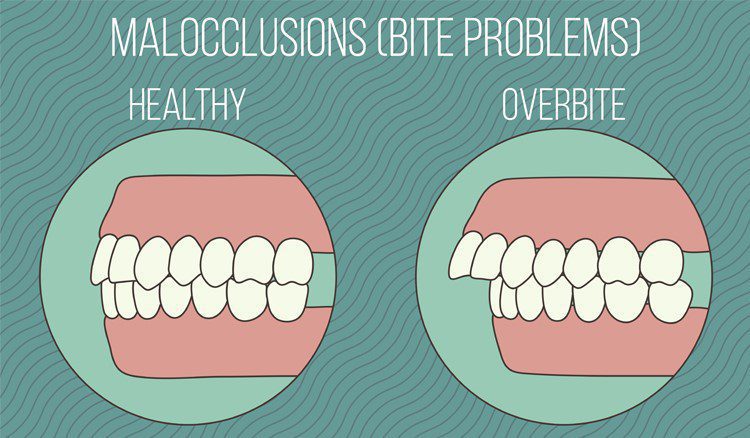
While fixing a fixed prosthesis bite adjustment is done to align the artificial teeth in occlusion in harmony with the existing natural teeth, surrounding musculature, and temporomandibular joint. If the prosthetic teeth do not occlude properly the bite changes resulting in jaw pain, headaches, and pressure on opposing teeth leading to bone loss in the future. Relief from pain on crown due to improper bite: NSAIDs, muscle relaxants, occlusal reduction for elimination of high points.
Biting on Hard Objects with the Dental Crown
Patients can inadvertently bite on hard objects resulting in a fracture of the crown or tooth underneath the crowns. This may cause mild pain or sensitivity. Relief from pain on crown due to hard biting: Veneers/ composite, post, and core, replacement of bridge or crown, extraction, and implants. SAPTeeth polymers for peek framework and HIPC crowns are wonderful alternatives.
Active Fit & Over Extended Margin of Dental Crown
The crowns should fit passively and there should not be any over-extension of the margin. Sometimes due to gum swelling the margins may not be clearly visible. Hence, after a period of 1-2 weeks, a follow-up appointment may be required. In conclusion, there are many reasons a patient can have pain after a fixed dental prosthesis. Hence pain should evaluated by the dentist to restore the function and esthetics of fixed prosthesis.
Relieving Pain After Dental Crown
- Over-the-counter pain relievers: Medications like ibuprofen or acetaminophen can help manage mild pain.
- Cold compress: Applying a cold compress to the affected area for 15-20 minutes can help reduce inflammation and discomfort.
- Saltwater rinses: Rinsing your mouth with warm salt water several times a day can help clean the area and reduce irritation.
- Soft foods: Eating soft foods and avoiding hard or chewy items can minimize pressure on the crowned tooth and provide relief.
- Dental Consultation: If the pain persists for more than a few days or is severe, it’s crucial to consult your dentist. They will diagnose the cause of the pain and recommend appropriate treatment.
FAQs
Is pain after a dental crown normal?
Mild sensitivity or gum soreness for a short period can happen after a dental crown, especially after tooth preparation or cementation. However, strong pain, throbbing pain, swelling, pain while biting, or discomfort that does not improve should not be considered normal. A dentist should check the bite, crown fit, nerve health, gums, and X-ray findings to identify the cause.
Can a painful crown be saved or does it need removal?
A painful crown does not always need removal. If the cause is a high bite or minor gum irritation, adjustment and local care may be enough. If there is decay, infection, loose cement, poor fit, fracture, or nerve involvement, the crown may need removal, root canal treatment, replacement, gum treatment, or another corrective procedure. The treatment depends on the clinical diagnosis.