Many patients are apprehensive for the pain during zygomatic implant surgery. Hence, to ease their fear we have written an article on anaesthesia for zygomatic implant surgery. For many patients suffering from severe upper jaw bone loss, the fear of dental surgery is just as paralyzing as the physical inability to chew. When you are told that you need an advanced maxillofacial procedure like zygomatic dental implants, your first question is almost always: “Will it hurt, and do I need to be put to sleep?”
Historically, the answer to that question involved general anaesthesia, a hospital stay, and a demanding recovery. However, modern dentistry has evolved. Today, with the advent of 3D digital planning and suture-less surgical techniques, zygomatic implant surgery can often be performed entirely under local anaesthesia with conscious sedation.
This guide will walk you through exactly what to expect regarding anaesthesia, pain management, and comfort during your zygomatic implant journey.
Quick Answer: Anaesthesia for Zygomatic Implants
- The Old Standard: Traditionally performed under General Anaesthesia (GA) in a hospital operating room due to large incisions and extensive tissue reflection.
- The Modern Standard: Advanced clinics now routinely perform the procedure using Local Anaesthesia (LA) combined with mild oral sedation in an outpatient dental clinic.
- Why the Change? 3D-guided, “pinhole” (flapless) surgery minimizes tissue trauma and bleeding, making heavy anaesthesia unnecessary for most patients.
- The Benefit: Bypassing general anaesthesia dramatically reduces medical risks, lowers costs, allows for a rapid 2-hour discharge, and makes the procedure much safer for elderly and medically compromised patients.
Table of Contents
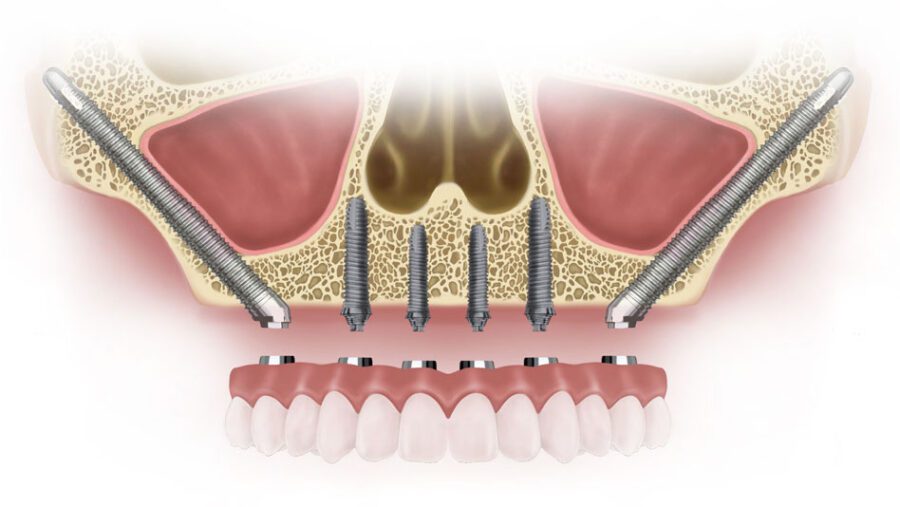
In the event that you have been investigating getting dental implants, you may have run over a particular sort of implant known as zygomatic implants. Since this kind of implant is relatively new, odds are you may not know particularly about zygomatic implants and how they contrast with customary dental implants. Along these lines, here is all you require to think about zygomatic implants.
The Traditional Approach: Why General Anaesthesia Was the Norm
In the early days of the procedure (the late 1990s and 2000s), placing extra-long zygomatic implants into the cheekbone required a highly invasive surgical approach. Surgeons had to make massive incisions and peel back the entire gum line (a full mucoperiosteal flap) from the front teeth all the way to the back to clearly see the sinus wall and cheekbone.
Because this open-flap technique caused significant tissue trauma, bleeding, and post-operative swelling, it was considered too intense for a patient to endure while awake. Therefore, general anaesthesia in a hospital setting was strictly required. While effective, this meant patients faced the systemic risks of GA, overnight hospital stays, and a groggy, painful recovery period.
The Modern Era: Zygomatic Implants Under Local Anaesthesia
Today, the narrative has been rewritten. At Royal Dental Clinics, the transition from hospital-based GA to chairside Local Anaesthesia is the cornerstone of the One Day Zygoma Protocol.
How “Pinhole” Surgery Makes Local Anaesthesia Possible
The secret to avoiding general anaesthesia lies in how the surgery is planned. By using a high-resolution 3D CBCT scan and CAD-CAM software, the maxillofacial surgeon maps the exact trajectory of the implant on a computer before the procedure begins.
Custom 3D-printed surgical guides are then created. Instead of cutting the gums wide open, the surgeon works through these guides using a flapless, suture-less “pinhole” technique (or a very small micro-tunnel). Because the blood supply to the gums is preserved and there is virtually no soft-tissue trauma, the patient experiences minimal physical stress. This allows the entire procedure to be managed comfortably with targeted local anaesthesia.
The Specific Anaesthesia Protocol: What Will You Feel?
If your case is suitable for local anaesthesia, here is what the pain management protocol looks like:
- Mild Oral Anxiolytics: You may be given a mild, calming medication before the procedure to reduce anxiety.
- Targeted Nerve Blocks: The surgeon will gently administer local anaesthetic (typically 2% Lignocaine with adrenaline) using specific nerve blocks (such as the Posterior Superior Alveolar and Infraorbital blocks).
- Hydro-dissection: This fluid gently numbs and separates the tissues. The surgeon will wait about five minutes to ensure the area is profoundly numb.
- During the Surgery: You will remain conscious and breathing normally on your own. You will feel pressure and vibration from the instruments, but you should not feel any sharp pain.
Conscious Sedation: Keeping You Calm and Comfortable
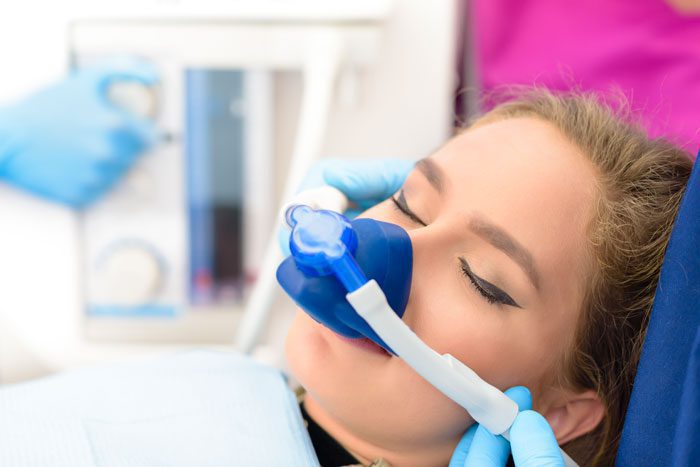
We understand that even if you feel no pain, the sounds and vibrations of dental surgery can be intimidating. For highly anxious patients, conscious sedation is an excellent middle ground.
Conscious sedation involves the use of sedative drugs (like nitrous oxide or mild intravenous/oral sedatives) to induce a deep state of relaxation. You will remain awake and able to respond to the dentist’s instructions, but you will feel deeply calm, completely detached from the stress of the procedure, and may remember very little of the surgery afterward.
Benefits of Local Anaesthesia for Geriatric and Medically Compromised Patients
The shift to local anaesthesia is a massive breakthrough for patient safety, particularly for older adults.
Many patients in their 70s, 80s, and 90s are denied traditional bone grafting or implants because their cardiologists or general physicians deem them “unfit” to undergo general anaesthesia. By utilizing local anaesthesia with continuous vitals monitoring, patients with controlled medical conditions like hypertension or diabetes can safely receive zygomatic implants.
In fact, our clinical data shows that elderly patients tolerate bone drilling under local anaesthesia remarkably well, provided there is no large soft-tissue cutting involved. To understand how age is no longer a barrier, read our dedicated guide: Are Zygomatic Implants Worth It After 60?
Patient Experiences: Listen to Real Stories
It is one thing to read about comfortable surgery; it is another to hear it directly from those who have experienced it. Watch these patients share their journeys of receiving same-day fixed teeth, often after years of struggling with loose dentures:
Frequently Asked Questions (FAQs)
Will I feel pain during the zygomatic implant surgery?
Because the procedure utilizes advanced local anaesthesia and minimally invasive techniques, you should not feel pain during the surgery. You will only feel the pressure and vibration of the instruments. Post-operative discomfort is generally mild to moderate and is managed effectively with prescribed pain relief.
Do I have to get hospitalized for the procedure?
Hospitalization is the exception, not the rule. Today, the vast majority of patients can be managed under local anaesthesia or conscious sedation in an advanced outpatient dental clinic setting, allowing for discharge within just a few hours.
What if I am terrified of the dentist?
Dental phobia is very common. Anxious patients are easily helped with conscious sedation techniques (like nitrous oxide or IV sedation). This ensures you remain in a relaxed, calm, and fear-free environment throughout the procedure.
Can I get fixed teeth on the same day if I only have local anaesthesia?
Yes. In suitable cases, the choice of anaesthesia does not delay your new teeth. Because the implants anchor firmly into the dense cheekbone, we can often attach a lightweight provisional prosthesis (such as SAPTeeth™) immediately, meaning you walk out with a restored smile on the exact same day.
Where can I learn more about the complete zygomatic implant process?
For a comprehensive look at the entire treatment journey, including 3D planning, costs, and candidacy, we highly recommend reading our foundational guide: All About Zygomatic Dental Implants: A Complete Guide for Severe Bone Loss.
Next Steps: Take Control of Your Comfort and Your Smile
You do not have to let the fear of general anaesthesia or painful bone grafting keep you trapped in loose dentures. Modern zygomatic implantology is designed with your safety and comfort as the highest priorities.
If you have been told that you lack the bone for regular implants, contact us today. A simple, painless CBCT scan can help us determine if you are a candidate for guided, local-anaesthesia zygomatic implants.

Anaesthesia for Zygomatic implant surgery
Disclaimer
Medically Reviewed By: Dr. Chirag Chamria, Oral and Maxillofacial Surgeon Last Reviewed On: July 2026
Disclaimer: The information provided in this article is for educational and informational purposes only and does not constitute medical or anaesthesia advice. Every patient’s anatomy, systemic health, and medical history are unique. Clinical decisions regarding the appropriate type of anaesthesia and surgical approach should always be made in accordance with each patient’s individual needs and under proper professional supervision. Candidacy for zygomatic implants and conscious sedation can only be determined after a comprehensive clinical examination and medical clearance. Please consult with a qualified maxillofacial surgeon and anaesthetist before making any decisions regarding full-mouth rehabilitation. Treatment suitability, healing, and results vary from patient to patient.