The type of food after dental filling matters a lot. Getting a dental filling is a common and effective way to treat cavities, repair damaged teeth, and stop decay from progressing. The procedure is quick and fairly simple, but the hours and days after a dental filling are important for healing, comfort, and the longevity of the filling. What many people do not consider is how much their diet after a dental filling impacts not only how well the filling settles, but also how comfortable you will be. If you eat the wrong things before your filling has had a chance to heal, you may experience pain, dislodging, or damage to the filling. The post-treatment instructions given by your dentist should be followed – and this includes what you eat.
Why Avoid Using Hard/Crunchy Foods
Hard foods require more pressure to chew and this could either damage or dislodge a new filling, especially while a filling is still settling or your bite is still not adjusted. The force of chewing can even cause discomfort and/or crack a tooth that has been freshly filled, especially if it is a large filling or made of composite resin (tooth coloured material). Hard and Crunchy Foods:
- Nuts
- Hard candies
- Ice
- Chips
- Raw vegetables such as carrots or apples
The risk might also be greater if your filling is on a molar tooth or if you have a habit of chewing on one side of your mouth. Also, biting onto something hard could cause sensitivity or pain while the nerve inside the tooth is still healing from the procedure. What to Eat Instead?
- Soft fruits like bananas or ripe peaches
- Cooked vegetables
- Mashed potatoes
- Scrambled eggs
- Yogurt

Avoid Foods That Stick or Are Chewy
Sticky foods can stick to your filling and pull on it out, especially if it hasn’t settled completely yet. Sometimes fillings, especially amalgam and composite, can be lifted or loosened by the repetitive tugging motion of chewing the sticky substance. Chewy foods can also increase jaw pressure, and they can get stuck between teeth, which is a nuisance and may increase your risk of infection if the area isn’t cleaned properly.
- Caramel
- Toffee
- Chewing Gum
- Gummy Candies
- Dried Fruits, like Raisins or Dates
What to Eat Instead?
- Smoothies (not so cold!)
- Applesauce
- Pudding
- Soft Pasta
- Oatmeal
Cold Foods and Drinks
Similar to heat, cold can trigger sensitivity especially right after the filling is placed. The tooth may still be healing from the drilling and cleaning, and the nerves are likely to be sensitive to either extreme. Sometimes, people develop a temporary state of “post-operative sensitivity,” in which the filled tooth feels fine, until it is exposed to something very cold. This tends to go away after a couple of days to a week, but certainly, if cold foods are avoided during this timeframe, unnecessary pain can be avoided.
- Ice cream
- Ice-cold water
- Iced coffee
- Frozen yogurt
- Milkshakes
What to Eat Instead:
- Room temperature or just slightly cool drinks
- Mildly chilled smoothies
- Lukewarm soft foods
Sugary Foods and Drinks
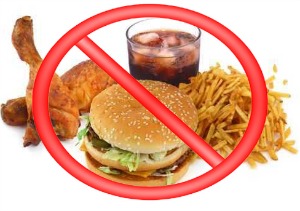
While the decayed portion of the tooth has been excavated and filled, the filling and surrounding tooth structure is still susceptible to plaque and bacteria, especially if oral hygiene is not part of your routine. Sugary foods feed bacteria in the mouth, causing them to produce acid which can attack tooth structure and the edges of the filling. Furthermore, if you are already sensitive, sugar can potentially increase your pain depending on how it interacts with accessed dentin or micro-gaps near the site of the filling.
- Candy
- Soda
- Sugary cereals
- Sweet pastries
- Energy drinks
What to Eat Instead
- Sugar-free snacks
- Whole grains
- Fresh fruit (in moderation)
- Vegetables
- Unsweetened drinks
Other Tips for Eating After a Filling
- Wait Until Numbness is Gone: After a filling, especially with local anesthesia, your mouth is going to be numb for 1–3 hours. Wait until you can feel your mouth completely before eating anything. If you don’t, you could bite your tongue, cheek, or lip.
- Chew on the Opposite Side: If you had a deep or large filling, consider chewing on the opposite side of your mouth for at least 24 hours.
- Be Gentle About Brushing: Don’t avoid brushing around the filled tooth but be gentle! Use a soft-bristled toothbrush and non-abrasive toothpaste when brushing your tooth.

When Can You Eat Normally Again?
In all cases, follow your dentist’s specific recommendations according to what material they use and how involved your dental procedure is!
- Composite (White) Fillings: Although composite resin will set immediately with a curing light, we recommend waiting a few hours before eating, and to also avoid hard/sticky foods for 24 hours.
- Amalgam (Silver) Filling: These fillings will harden in about 24 hours. We recommend that you do not chew on that side of your mouth for 24 hours.
- Temporary Filling: Avoiding sticky and hard foods until you have the permanent filling placed.
Protect Your Filling with Smart Food Choices
A dental filling is generally a straightforward process, however, caring for it in the hours and days after your filling can affect how comfortable it feels and how long it will last. By continuing to avoid hard, sticky, hot, cold, and sugary food items and taking a few easy aftercare steps you will be able to help the filling settle properly, the tooth heal quickly, and keep discomfort at bay. Dental work may not be fun, but a little caution now can prevent discomfort (and another trip to the dentist) later. Whenever you are uncertain, always check with your dentist on what is best to eat and avoid following your specific treatment.
Medical Disclaimer
This article is for patient education only. Dental treatment should be planned after clinical examination, medical history review, and X-rays or scans where required. Treatment suitability, cost, timeline, healing, and results vary from patient to patient.