
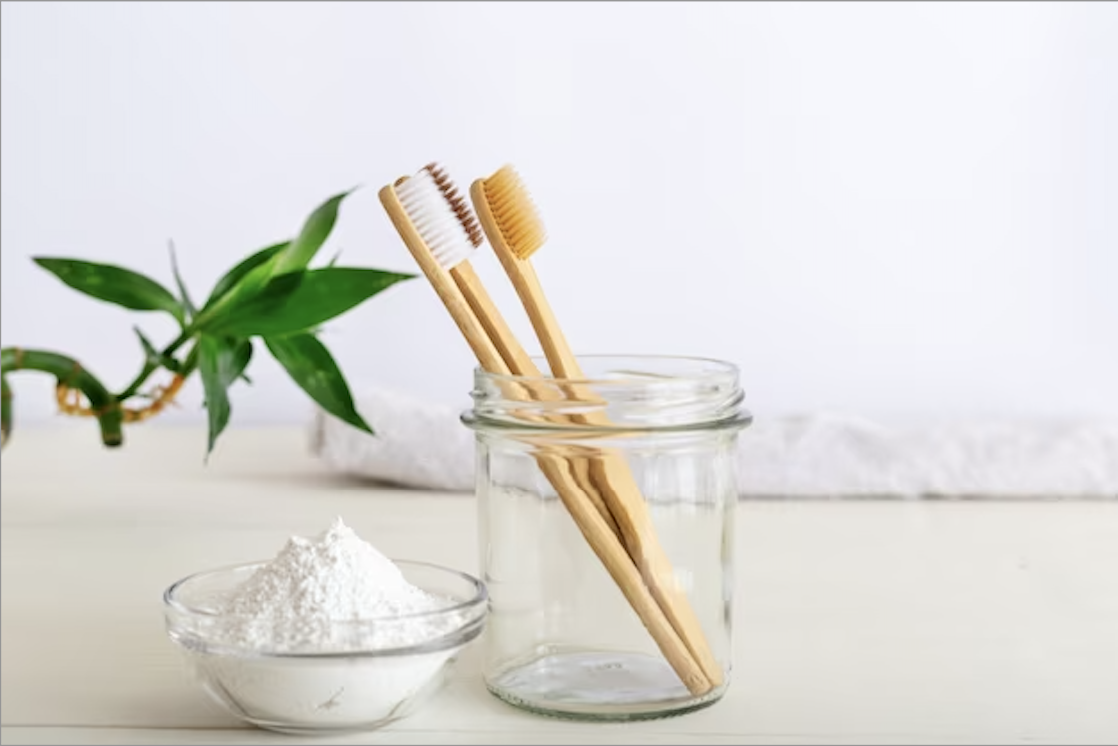
We’re glad you found your way to the Royal Dental Clinics blog, where we practice a philosophy that marries the best of contemporary dentistry with the knowledge of traditional medicine. Ayurvedic tooth powder is a healthy alternative to commercial toothpaste, and in this piece, we’ll discuss its many advantages in further detail. Dr. Chirag Chamria is happy to introduce you to the marvels of Ayurveda for maintaining optimum dental health as part of his commitment to delivering thorough oral care.
Who Is This Article For?
- Individuals interested in Ayurvedic oral care
- People looking for natural dental hygiene options
- Patients seeking healthier teeth and gums
- Individuals exploring traditional oral care practices
- Anyone interested in preventive dental care
Understand Ayurveda and Oral Care
Ayurveda, an ancient Indian system of medicine, has been practiced for thousands of years and is known for its holistic approach to health and wellness. The word “Ayurveda” is derived from the Sanskrit words “Ayur,” meaning life, and “Veda,” meaning knowledge or science. It focuses on the balance of mind, body, and spirit to achieve overall well-being.
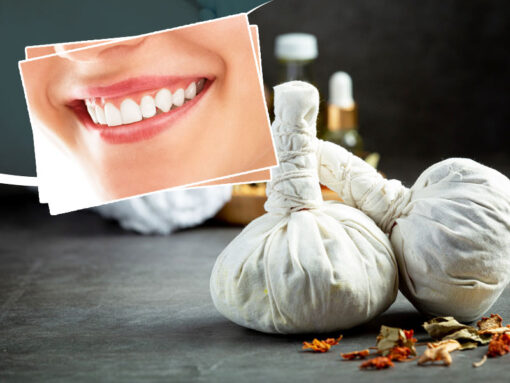
In Ayurveda, the mouth is considered a crucial gateway to maintaining good health. It is believed that the health of the teeth and gums reflects the overall state of the body. According to Ayurvedic principles, imbalances in the body’s energies, known as doshas (Vata, Pitta, and Kapha), can manifest as oral health problems.
The relevance of Ayurveda to oral care lies in its emphasis on prevention and natural healing. It recognizes the interconnectedness of various aspects of oral health, such as digestion, oral hygiene practices, and overall body balance. By addressing the root causes of oral health issues, Ayurveda aims to promote long-term oral health rather than merely treating symptoms.
Ayurvedic principles suggest that imbalances in the doshas can lead to specific oral health problems. For example, an imbalance in Pitta dosha may contribute to issues like gum inflammation and sensitivity, while an imbalance in Kapha dosha can lead to excessive plaque formation and bad breath. By identifying and addressing these imbalances, Ayurvedic approaches can help restore oral health and prevent further complications.
Powerful Ingredients in Ayurvedic Tooth Powder
Ayurvedic tooth powders are formulated using a combination of powerful herbs, spices, and minerals carefully selected for their individual and synergistic benefits. Each ingredient brings its unique properties to promote oral health and hygiene.
Let’s explore some of the common powerful ingredients found in Ayurvedic tooth powders:
- Neem: Neem’s antibacterial characteristics make it a popular addition in Ayurvedic tooth powders. It eliminates plaque, gum disease, and foul breath germs. Neem’s anti-inflammatory qualities help gums stay healthy.
- Clove: Analgesic clove helps relieve toothache and gum discomfort. It fights oral microorganisms, preventing dental infections. Clove also freshens breath.
- Licorice: Licorice has anti-inflammatory qualities in Ayurveda. It relieves gums and reduces inflammation. Antimicrobial licorice inhibits oral bacteria development.
- Cinnamon: Cinnamon fights oral germs that cause tooth decay and gum disease. Its taste and scent revitalize Ayurvedic tooth powders.
- Holy Basil: Holy Basil (Tulsi) is venerated in Ayurveda for its health benefits. Its antimicrobial and anti-inflammatory qualities promote oral health. Holy Basil fights germs, soothes gums, and enhances gum health.
- Rock Salt (Sendha Namak): Ayurvedic tooth powders include mineral-rich rock salt. Saliva production and dry mouth prevention enhance oral hygiene. Antimicrobial rock salt fights oral microorganisms.
Effective Plaque Removal & Gum Care
Ayurvedic tooth powders contain potent ingredients like neem and clove, which possess antimicrobial properties that effectively combat the bacteria responsible for plaque formation. The natural abrasive properties of Ayurvedic tooth powders aid in the gentle removal of plaque from the teeth, helping to prevent tooth decay and gum disease.
“Embrace the natural wisdom of Ayurveda for a healthier smile and fresher breath.”
Dr. Chirag Chamria
Regular use of Ayurvedic tooth powders can help maintain a clean oral environment, reducing the risk of plaque buildup and its associated dental issues. The anti-inflammatory properties of Ayurvedic ingredients such as licorice and holy basil help soothe gum inflammation, promoting healthy gums. Ayurvedic tooth powders support gum care by assisting in maintaining a balanced oral microbiome and reducing the risk of gum disease. By using Ayurvedic tooth powders as part of your oral care routine, you can enjoy the benefits of improved plaque removal and gum health, leading to a healthier smile.
Natural Teeth Whitening Powder & Stain Removal
Ayurvedic tooth powders offer a natural solution for teeth whitening and stain removal without the use of harsh chemicals. They include bleaching ingredients like cinnamon and holy basil to eliminate surface stains and brighten teeth. Ayurvedic tooth powders may progressively brighten tea, coffee, and smoking-induced tooth discolouration for a brighter smile. Embracing the power of natural ingredients, Ayurvedic toothpaste provide a gentle and effective approach to achieving a whiter and stain-free smile.
Alleviating Gum Inflammation and Sensitivity
Anti-inflammatory properties: Ingredients like licorice and holy basil found in Ayurvedic tooth powders possess natural anti-inflammatory properties. These properties help reduce gum inflammation and soothe irritated gum tissues, providing relief from discomfort.
Gentle and non-irritating: Ayurvedic tooth powders are formulated using natural ingredients, which are generally milder and less irritating to sensitive gums compared to certain chemicals found in commercial toothpaste. This gentle nature of Ayurvedic tooth powders can help minimize gum sensitivity and discomfort.
Balancing oral microbiome: Ayurvedic tooth powders support a balanced oral microbiome, which is essential for gum health. By combating harmful bacteria and promoting the growth of beneficial bacteria, Ayurvedic ingredients contribute to maintaining a healthy environment in the mouth, reducing the risk of gum inflammation.
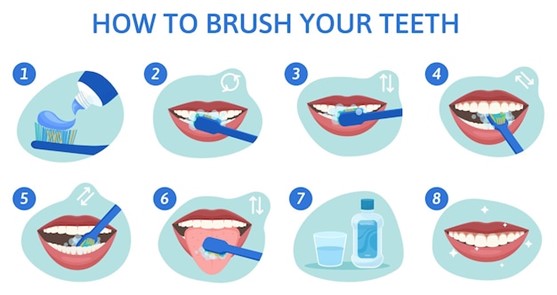

Personalized approach: Ayurveda recognizes that each person is unique, and the causes of gum inflammation and sensitivity can vary. Ayurvedic practitioners consider individual constitution and imbalances to provide personalized recommendations. This approach helps address the underlying causes of gum issues and tailor the use of Ayurvedic tooth powders accordingly.
Natural oral care: Ayurveda emphasizes a holistic approach to health, and this extends to oral care as well. Ayurvedic tooth powders, tongue scraping, oil pulling, and a balanced diet may help gum health and minimize inflammation and sensitivity.
Combating Bad Breath Naturally
Ayurvedic tooth powders offer a natural approach to combating bad breath without relying on synthetic mouthwashes or breath sprays. Ingredients like clove and cinnamon found in Ayurvedic tooth powders possess natural antimicrobial properties that help fight the bacteria responsible for causing bad breath. These ingredients work together to freshen breath, providing a long-lasting solution. By incorporating Ayurvedic tooth powders into your oral care routine, you can enjoy the benefits of naturally combatting bad breath while promoting overall oral health. Say goodbye to artificial breath fresheners and embrace the natural freshness of Ayurveda for a confident and pleasant breath.
Conclusion
Ayurvedic tooth powders have been used in traditional oral care practices for generations and often contain a blend of herbs and natural ingredients intended to support oral hygiene. Many people use these products as part of their daily routine to help clean the teeth, freshen breath, and maintain gum health. However, the effectiveness of any oral care product depends on its ingredients, proper use, and overall oral hygiene habits.
While Ayurvedic tooth powder may complement a daily oral care routine, it should not replace essential practices such as brushing properly, flossing regularly, and attending routine dental check-ups. Maintaining good oral health requires a comprehensive approach that includes preventive care, professional evaluation, and timely treatment when dental problems arise.
FAQ
What is Ayurvedic tooth powder?
Ayurvedic tooth powder is a traditional oral care product made from herbal and natural ingredients that is commonly used for cleaning teeth and supporting oral hygiene.
Can Ayurvedic tooth powder replace toothpaste?
Ayurvedic tooth powder may be used as part of an oral hygiene routine, but it should not replace proper brushing techniques, flossing, and regular dental care.
Does Ayurvedic tooth powder help with gum health?
Some herbal ingredients found in Ayurvedic tooth powders are traditionally used to support oral hygiene and gum care. Individual results may vary depending on the product and overall oral health.
Can Ayurvedic tooth powder reduce bad breath?
Maintaining a clean mouth can help reduce bad breath. Some Ayurvedic tooth powders contain ingredients traditionally used for freshening breath.
Is Ayurvedic tooth powder safe for daily use?
The suitability of a product depends on its ingredients and formulation. If you have concerns about a specific product, consult your dentist before regular use.
Can herbal tooth powders remove plaque?
Regular brushing helps remove plaque from tooth surfaces. The effectiveness of any tooth powder depends on its formulation and how it is used as part of a complete oral hygiene routine.
Should I still visit a dentist if I use Ayurvedic tooth powder?
Yes. Regular dental check-ups and professional cleanings remain important for maintaining oral health and identifying dental problems early.
© All rights reserved by Royal Dental Implants Pvt Ltd
Issued in public interest
Suggested Article:
Medical Disclaimer
This article is for patient education only. Dental treatment should be planned after clinical examination, medical history review, and X-rays or scans where required. Treatment suitability, cost, timeline, healing, and results vary from patient to patient.