


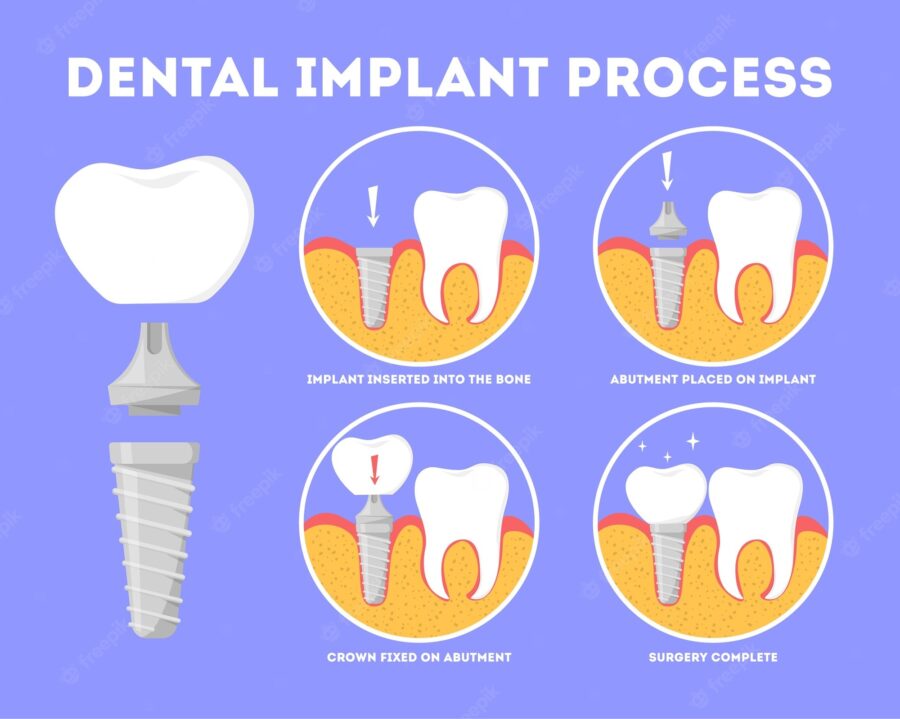
Dental implants are a two-part system consisting of a small titanium post and a dental crown. The titanium post is surgically implanted into the jawbone, where it fuses with the bone over time. This process is known as osseointegration and is what makes them so durable and long-lasting. The dental crown is then attached to the titanium post using an abutment. The crown is custom-made to match your natural teeth. They can be used to replace a single tooth, multiple teeth, or even a full set of teeth. Explore our complete guide to dental implants, including types, procedure, eligibility, immediate loading, bone grafting, recovery, risks and aftercare.
It’s important to note that dental implants require a healthy jawbone to be successful. If you have experienced bone loss in your jaw, you may require a bone graft before getting them. Your dentist will be able to determine if you’re a good candidate for them based on a thorough examination of your teeth and jawbone.
What Is a Dental Implant and How Does It Work?
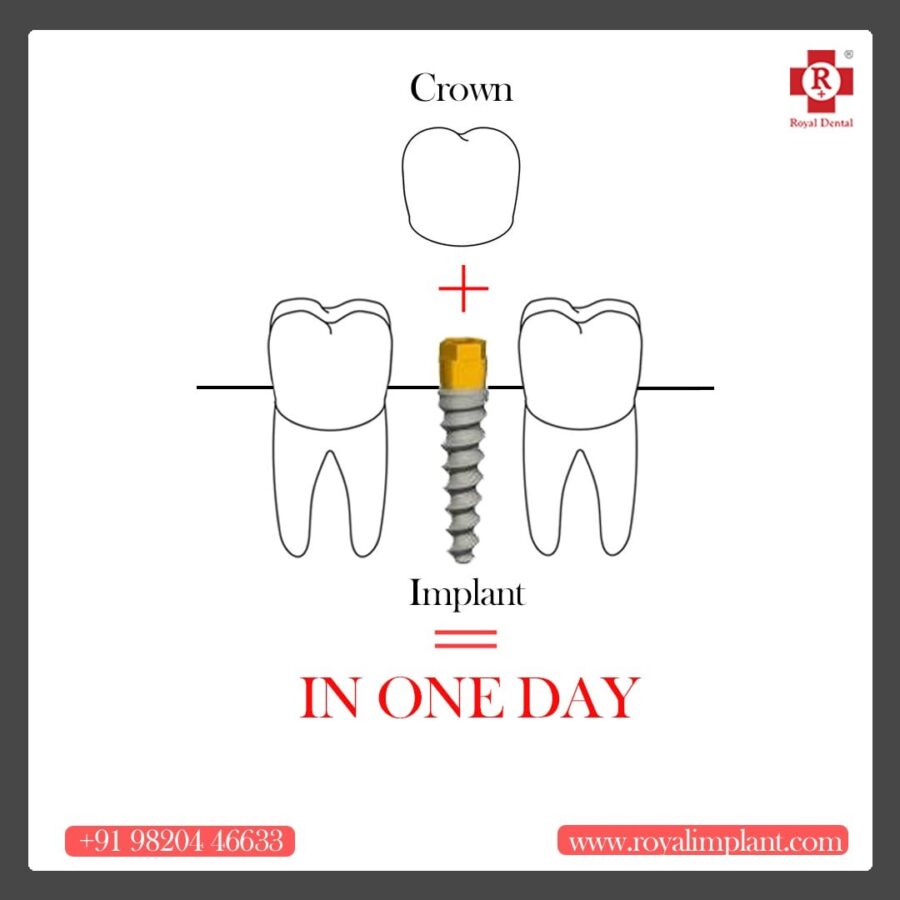
A dental implant is a small fixture placed within the jawbone to support a replacement tooth. It functions as an artificial tooth root and may be used to replace one tooth, several teeth or an entire dental arch. A complete implant-supported tooth usually contains 2 components:
- Dental implant: The fixture positioned within the jawbone
- Dental crown: The visible artificial tooth used for appearance and function
Who Is Suitable for Dental Implant Treatment?
Dental implants may be considered for adults who have one or more missing teeth, teeth that cannot be predictably restored or difficulty using removable dentures. Suitability depends on more than age or the number of missing teeth. Conditions such as diabetes, osteoporosis or advanced age do not automatically prevent implant treatment. However, the condition should be appropriately assessed and controlled, and the treatment plan may need to be modified. The dentist evaluates:
- General medical health
- Gum condition and oral hygiene
- Available jawbone
- Location of nerves and sinus cavities
- Smoking or tobacco habits
- Existing dental infections
- Bite and teeth-grinding habits
- Ability to attend follow-up appointments
- Expectations regarding function and appearance
What Are the Stages of Dental Implant Treatment?
Dental implant treatment usually begins with a clinical examination, medical history review and dental imaging. An OPG or CBCT scan may be advised to study the available bone and important anatomical structures. Treatment may involve the following stages:
- Examination and diagnosis
- Management of active infection or gum disease
- Removal of a non-restorable tooth, when necessary
- Bone grafting, if required
- Implant placement
- Placement of temporary teeth in selected cases
- Healing and integration of the implant
- Fabrication of the final crown, bridge or full-arch prosthesis
- Bite adjustment and long-term maintenance
Is Bone Grafting Always Required Before Implants?
No. Bone grafting is required only when the available bone is insufficient for the proposed implant position or treatment plan. Some patients have adequate natural bone and can receive implants without grafting. Each approach has different indications, risks and limitations. A CBCT scan and clinical examination help determine whether grafting or an alternative implant technique is appropriate. When bone loss is present, possible approaches may include:
- Bone grafting
- Sinus augmentation
- Use of implants with a different length or angulation
- Strategic implant placement
- Full-arch implant solutions
- Zygomatic implants in selected cases of severe upper-jaw bone loss
How Long Do Dental Implants Last?
Dental implants can function for many years, but no implant should be described as permanently guaranteed. Longevity depends on treatment planning, implant position, bone and gum health, prosthesis design, oral hygiene and regular professional maintenance. The implant fixture and the crown or bridge should also be considered separately. Even when the implant remains healthy, the prosthetic teeth may eventually require repair, relining or replacement because of wear, chipping or changes in the bite. Patients can support implant longevity by:
- Brushing the implant-supported teeth regularly
- Cleaning beneath bridges and full-arch prostheses
- Attending professional maintenance appointments
- Avoiding tobacco
- Managing diabetes and other medical conditions
- Using a night guard when advised
- Reporting mobility, discomfort or bleeding early
Dental Implant Procedure: Royal Dental
Consultation: The first step is to schedule a consultation with a dentist or oral surgeon who specialises in dental implants. During this appointment, the dentist will evaluate your oral health and determine whether you are a good candidate for dental implants.
Preparation: If you are a good candidate, the next step is to prepare the jawbone for the implant. This may involve extracting a damaged or decayed tooth or building up the jawbone if it has deteriorated due to missing teeth.
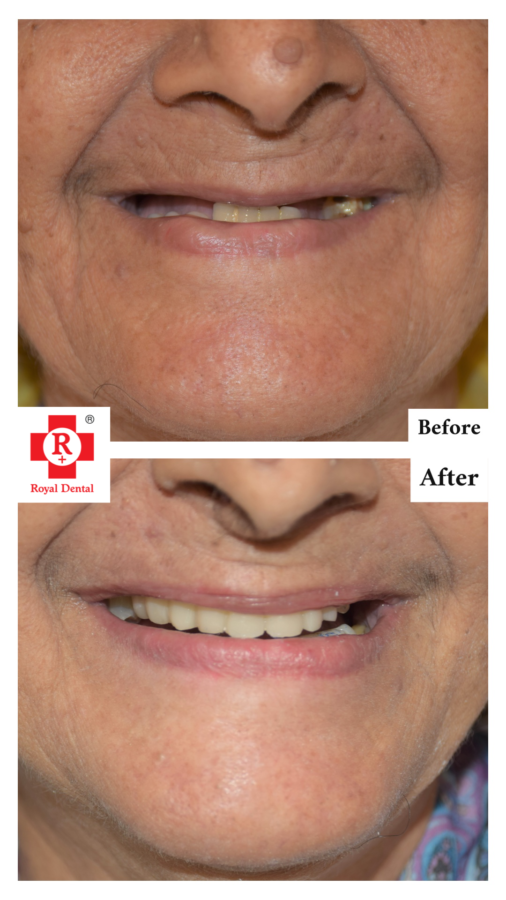
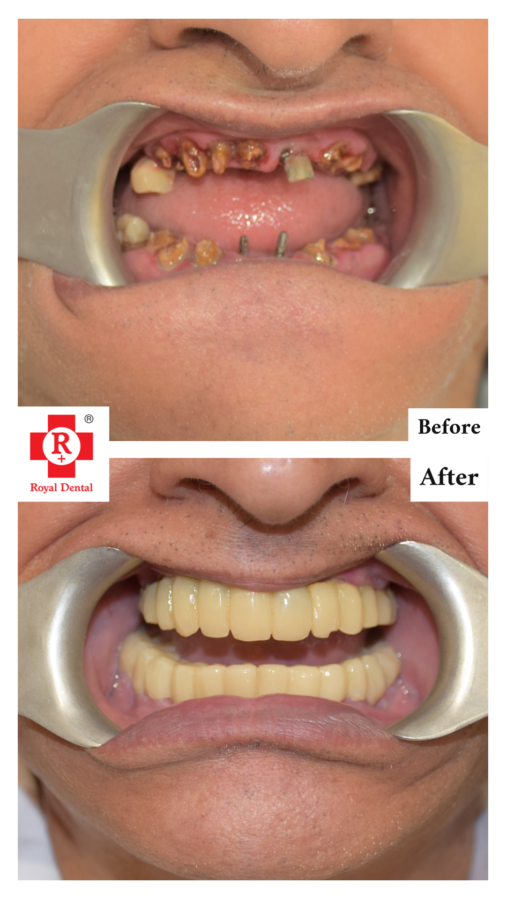
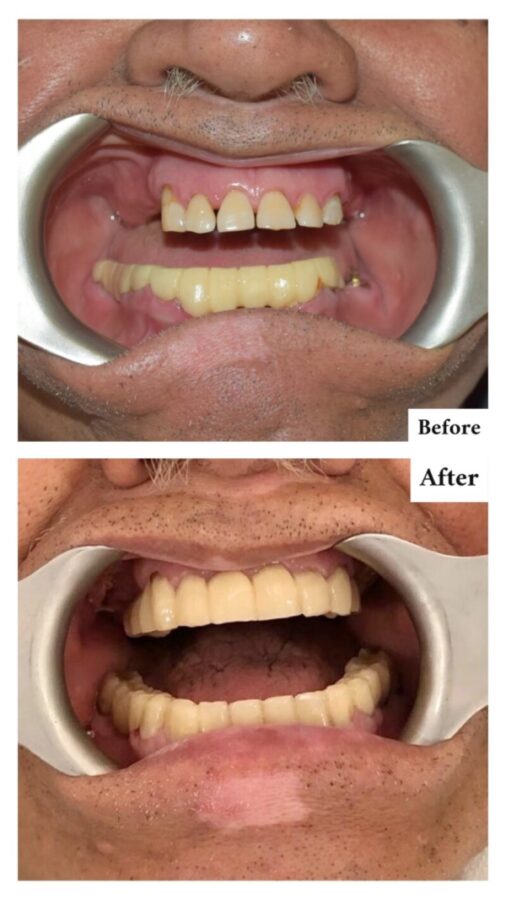
Implant placement: Once the jawbone is prepared, the dentist will surgically place the implant post into the bone. The post is typically made of titanium, which is a biocompatible metal that fuses with the bone over time.
Healing: After the implant is placed, the jawbone needs time to heal and fuse with the post. This process is called osseointegration and can take several months to complete.
Abutment placement: Once the post has fused with the bone, the dentist will place an abutment on top of the post. This abutment serves as a connector between the post and the replacement tooth.
Replacement tooth: Finally, the replacement tooth or bridge is attached to the abutment. This replacement tooth is custom-made to match the size, shape, and color of your natural teeth.
Who is an ideal candidate for Dental Implants?
Sufficient Jawbone Density: Dental implants require sufficient bone density and volume in the jawbone to support the implant post. If there is not enough bone, bone grafting may be necessary to build up the bone before the implant can be placed.
Healthy Gums: Good oral hygiene and healthy gums are important for the success of dental implants. Gum disease can lead to implant failure, so it is essential to treat any existing gum disease before proceeding with implants.
Overall Health: Candidates should be in good overall health and free of any medical conditions or medications that may impair healing after surgery. They should also have healthy immune systems to prevent infections.
Age: Dental implants can be placed in adults of any age, but younger individuals may still be developing their jawbones, which can affect the success of the implant. The dentist or oral surgeon will consider the individual’s age and bone growth when determining if dental implants are appropriate.
Smoking: Smoking can increase the risk of implant failure by decreasing blood flow to the gums and bones. Candidates who smoke may need to quit smoking or reduce their smoking to increase the likelihood of successful implant placement.
Commitment to Oral Hygiene: Good oral hygiene is critical for the success of dental implants. Candidates should be committed to maintaining proper oral hygiene and attending regular dental checkups.
Benefits of Dental Implants over other Replacements
Durability: They are made of durable materials such as titanium, which allows them to withstand the pressures of chewing and speaking, making them a long-lasting solution.
Natural Look and Feel: They are designed to look and feel like natural teeth. They are custom-made to match the color, size, and shape of your existing teeth.
Improved Speech: Unlike dentures that can sometimes slip or make clicking noises, dental implants are a permanent solution, which means you can speak clearly and confidently without worrying about any embarrassing mishaps.
Increased Comfort: They are anchored directly into the jawbone, which means they don’t move around like dentures or bridges. This makes them more comfortable to wear and easier to maintain.
Improved Oral Health: Traditional tooth replacement options like bridges require the adjacent teeth to be ground down to accommodate the bridge, which can lead to long-term oral health problems. Dental implants do not require any alterations to your existing teeth, which means your overall oral health is preserved.
Long-Term Cost Savings: While dental implants can be more expensive upfront than other tooth replacement options, they have a longer lifespan and require less maintenance over time. As a result, they can be a more cost-effective solution in the long run.
Common Myths and Misconceptions
Several myths and misconceptions about dental implants can prevent people from considering this innovative treatment. Here are some of the most common myths about
- Painful: While the implant procedure may cause some discomfort, most people report only mild pain and discomfort.
- Expensive: While they may be more expensive than other tooth options, they are durable solution that can save you money in the long run.
- Dental implants are not for older people: Age is not a factor in determining eligibility for dental implants. As long as you have a healthy jawbone, you may be a good candidate for the procedure.
Choosing the Right Dental Implant Provider
Experience and Credentials: Look for a provider who has extensive experience and training in implant dentistry. Check their credentials and qualifications, including whether they are board-certified in implant dentistry.
Technology and Equipment: They should have access to the latest dental implant technology and equipment to ensure precise and effective implant placement.
Patient Reviews : Look for reviews and testimonials from previous patients to get an idea of the provider’s quality of care and patient satisfaction.
Consultation Process: A reputable provider should conduct a thorough consultation to evaluate your oral health, discuss your treatment options, and address any questions or concerns you may have.
Cost and Insurance Coverage: Consider the cost of the procedure and whether the provider accepts your insurance or offers financing options to make the procedure more affordable.
Follow-Up Care: A good provider should provide follow-up care to monitor the healing process and ensure the long-term success of your dental implant.
Referral or Recommendation: You can ask your regular dentist or friends and family for a referral or recommendation for a dental implant provider they trust.
Conclusion
They are a long-lasting and reliable solution for missing teeth. With proper care and maintenance, they can last a lifetime. If you’re considering getting them, it’s important to understand the basics of the procedure, the benefits, and who is a good candidate. By following the tips outlined in this guide and choosing a reputable dental implant. you can restore your smile and improve your oral health with confidence.
Frequently Asked Questions
Are dental implants painful?
Implant placement is usually performed under local anaesthesia, so patients should not feel sharp pain during the procedure. Mild discomfort, swelling or tenderness may occur afterward and generally improves during healing. Sedation or other anaesthesia options may be considered for selected patients.
How long does dental implant treatment take?
The timeline may range from a single surgical visit with temporary teeth to several months of staged treatment. It depends on healing, bone grafting, implant stability, number of implants and the type of final prosthesis.
Can dental implants be completed in one day?
Selected patients may receive an implant-supported temporary or fixed prosthesis on the day of implant surgery. Suitability depends on implant stability, bone condition and bite. The implant still requires biological healing even when teeth are provided immediately.
Can elderly patients receive dental implants?
Yes. Age alone does not determine implant suitability. General health, bone condition, medication, oral hygiene and the ability to undergo and maintain treatment are more important considerations.
Can dental implants be placed with severe bone loss?
Severe bone loss does not always rule out fixed implant treatment. Bone grafting, angled implants, alternative implant designs or zygomatic implants may be considered depending on the location and extent of bone loss.
Can a failed dental implant be replaced?
In some cases, a failed implant can be removed and replaced after the cause has been evaluated and the area has healed. Bone grafting or a modified treatment plan may be required. Replacement is not suitable in every situation.
Do dental implants get cavities?
The implant and artificial crown cannot develop tooth decay. However, plaque can cause inflammation and bone loss around an implant. Natural teeth beside the implant can also develop cavities, so daily oral hygiene remains essential.
Are dental implants better than bridges or dentures?
Implants can provide stability without relying on removable support or, in many cases, cutting neighbouring teeth. However, bridges and dentures may still be appropriate depending on the patient’s health, bone, budget and treatment preferences.
How often should dental implants be checked?
Implants should be reviewed regularly according to the patient’s individual risk. Follow-up may include examination of the gums, professional cleaning, bite assessment and dental imaging when clinically required.
Suggested Article:
- Managing Sensitivity after Teeth Whitening
- How a beautiful Smile affects your life?
- Cosmetic Dentistry: Trending Treatments
Medical Disclaimer
This article is for patient education only. Dental treatment should be planned after clinical examination, medical history review, and X-rays or scans where required. Treatment suitability, cost, timeline, healing, and results vary from patient to patient.