Dental veneers and crowns can both improve the shape, colour and appearance of teeth, but they are not interchangeable treatments. A veneer primarily covers the visible front surface of a tooth, while a crown covers most or all of the tooth above the gum line. The correct choice depends not only on appearance but also on the strength of the tooth, the amount of remaining enamel, existing fillings, decay, bite forces and the patient’s long-term treatment needs. Understanding the difference between a Dental veneers vs crowns is essential in ensuring your dental health.
Who is this article for?
This article is for patients considering cosmetic correction for stained, chipped, uneven, worn, mildly crooked or irregularly shaped teeth. It may also help patients who have been advised veneers, laminates or crowns but are unsure about the difference between them. The final treatment should be selected after assessing the health of the tooth, gum condition, bite, available enamel and the amount of structural damage.
What is a Dental Laminate?
A laminate is a thin layer of material placed over the tooth’s surface to improve its appearance. There are several different types of materials used in laminates, including porcelain and composite resin. Porcelain is a very strong material, but it can be porous and stain easily. Composite resin is a tooth-coloured material that is stain-resistant but is not as strong as porcelain. Laminates are usually used to cover up gaps between teeth. These gaps can be caused by missing teeth, misaligned teeth or teeth that are too short.
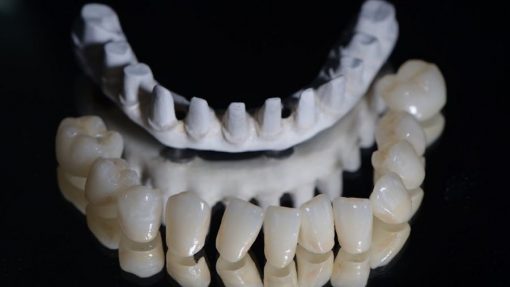
While a laminate can improve the aesthetics of your smile, it’s important to note that it will not improve the health of your teeth. This is especially important if you have missing teeth and are planning to get a dental implant. A dental implant requires a strong, healthy tooth to support it. If you choose to get a laminate instead of an implant, you’ll have to continue to protect your teeth to prevent additional damage.
What is a Dental Veneer?
A veneer is a thin layer of material placed over the tooth’s front surface to improve its aesthetics. A veneer is bonded to the tooth’s surface using special dental cement. There are two types of veneers: partial and full. A partial veneer is a thin shell that covers the visible portion of the tooth.

A full veneer is a thin shell that covers the tooth’s entire surface. Like a laminate, a veneer is not strong enough to support a dental implant. A dental implant requires a strong, healthy tooth to support it. If you choose to get a veneer instead of an implant, you’ll have to continue to protect your remaining tooth to prevent additional damage.
What is a Tooth Crown?
It is a full-coverage restoration used to restore function and aesthetics to a damaged tooth. A crown can be made from porcelain, metal or a combination of both. A crown is placed on the tooth’s surface and covers the entire tooth. This full coverage ensures that the tooth will be able to support a dental implant. A crown is typically used on a tooth that has been damaged by decay, injury or disease. Teeth that have been broken or have had root canal treatment may also require a crown.
Dental crowns come in many different shapes and sizes, which means they can be used on both the front and back teeth. There are many benefits to getting a crown, including improved appearance, higher strength and resistance to decay. Just like a laminate and a veneer, a crown is not strong enough to support a dental implant. If you choose to get a crown instead of an implant, you’ll have to continue to protect your remaining tooth to prevent additional damage.
Benefits of a Tooth Laminate
A laminate is best for patients who are primarily concerned with aesthetics. It is the least expensive of the three procedures and is great for covering aesthetic imperfections such as gaps between teeth. It is also great for patients who need aesthetic improvements but have a low risk for future decay. This is often the case for patients who have no natural teeth remaining.

It can protect artificial teeth from staining and help them last longer. If you’re considering a laminate, be sure to discuss your options with your dentist to make sure you’re getting the best possible treatment. For example, you may be able to choose between porcelain and composite resin.
Benefits of a Veneer
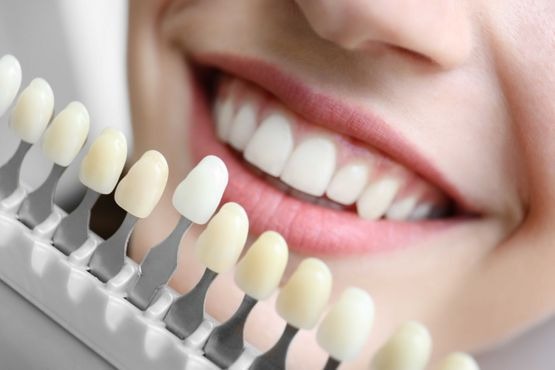
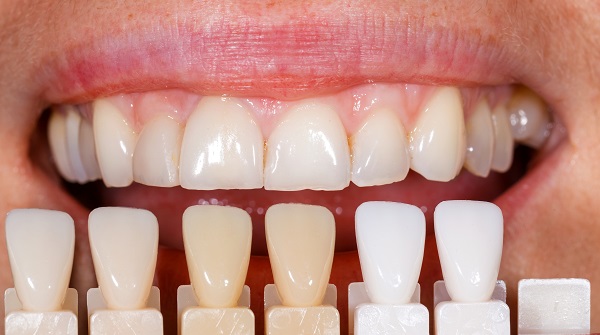
A veneer is best for patients who are primarily concerned with aesthetics but also have a low risk for future decay. It is stronger than a laminate, so it’s suitable for patients who have a higher risk for future decay. It also gives you the option of changing the colour of your teeth. This is helpful if you’re getting a veneer on a tooth that shows up prominently in your smile.
You may be able to choose from different shades to find the perfect colour for your smile. If you’re considering a veneer, be sure to discuss your options with your dentist to make sure you’re getting the best possible treatment. For example, you may be able to choose between porcelain and composite resin.
Benefits of a Dental Crown
A crown is best for patients who have a high risk for future decay and those looking for a procedure that restores function and aesthetics. It can help to protect a tooth that has been weakened by decay, injury or disease. It can also improve the aesthetics of your smile, especially if you have a tooth that is cracked or discoloured. A crown is a great option for patients who are looking for long-term dental care.
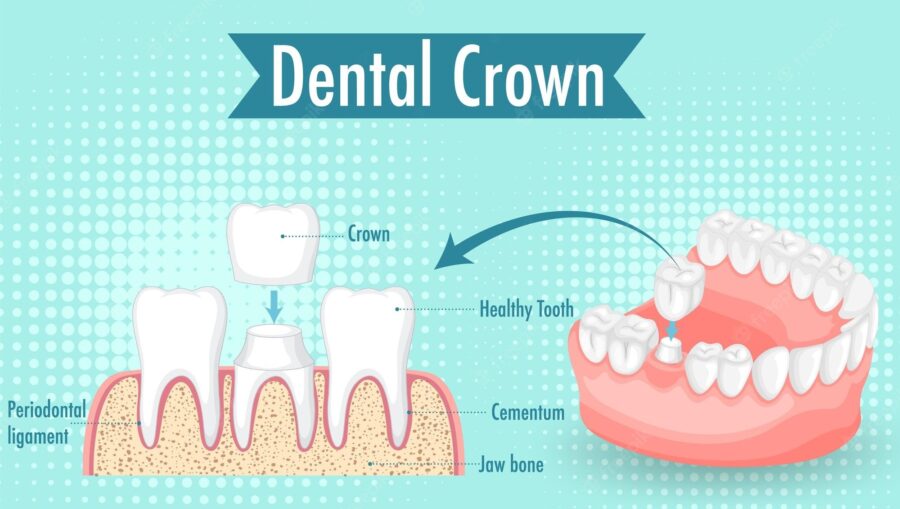
This is because a crown can last anywhere from 5 to 20 years, depending on its type. If you’re considering a crown, be sure to discuss your options with your dentist to make sure you’re getting the best possible treatment. For example, you may be able to choose between porcelain and metal.
Are Dental Laminates and Veneers the Same?
The terms dental laminate and veneer are often used for similar cosmetic restorations. Both generally refer to a thin layer of tooth-coloured material bonded to the visible surface of a tooth. The exact terminology may vary according to the material, thickness and treatment system used.
Patients should not assume that every laminate is completely non-invasive or requires no tooth preparation. Some cases may need little or no preparation, while others require controlled enamel reduction to provide adequate space, strength and a natural contour. The dentist should explain how much tooth preparation is planned before beginning treatment.
What Is the Difference Between a Veneer and a Crown?
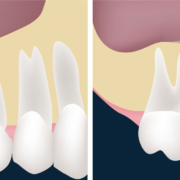
A veneer is usually bonded mainly to the front surface of a tooth and is commonly considered when the underlying tooth remains reasonably healthy and strong. A crown surrounds most or all of the visible portion of the tooth and is generally considered when the tooth requires greater structural protection.
| Point of comparison | Dental veneer or laminate | Dental crown |
|---|---|---|
| Tooth coverage | Mainly the visible front surface | Covers most or all of the tooth |
| Main purpose | Cosmetic correction | Protection and restoration |
| Tooth condition | Usually relatively healthy | May be weak, fractured or heavily restored |
| Tooth preparation | Often more conservative | Usually requires more preparation |
| Common uses | Colour, shape, small gaps and mild irregularity | Large fillings, fractures, severe wear or root-canal-treated teeth |
| Suitability | Depends on available enamel and bite | Depends on remaining tooth structure and foundation |
How to Choose the Right Procedure
When it comes to selecting the right procedure, it’s important to consider all the advantages and disadvantages of each treatment. A dental laminate is a quick, easy and relatively inexpensive treatment. However, it’s only a short-term solution that will need to be replaced as soon as six months. A dental veneer is a more in-depth and expensive treatment that requires a visit to the dentist. A dental crown is the best option for long-term dental care. However, it is the most expensive and time-consuming treatment. When selecting the right procedure, it’s important to consider all the advantages and disadvantages of each treatment. This will help you find the best solution for your dental health.
When Is a Veneer a Better Option?
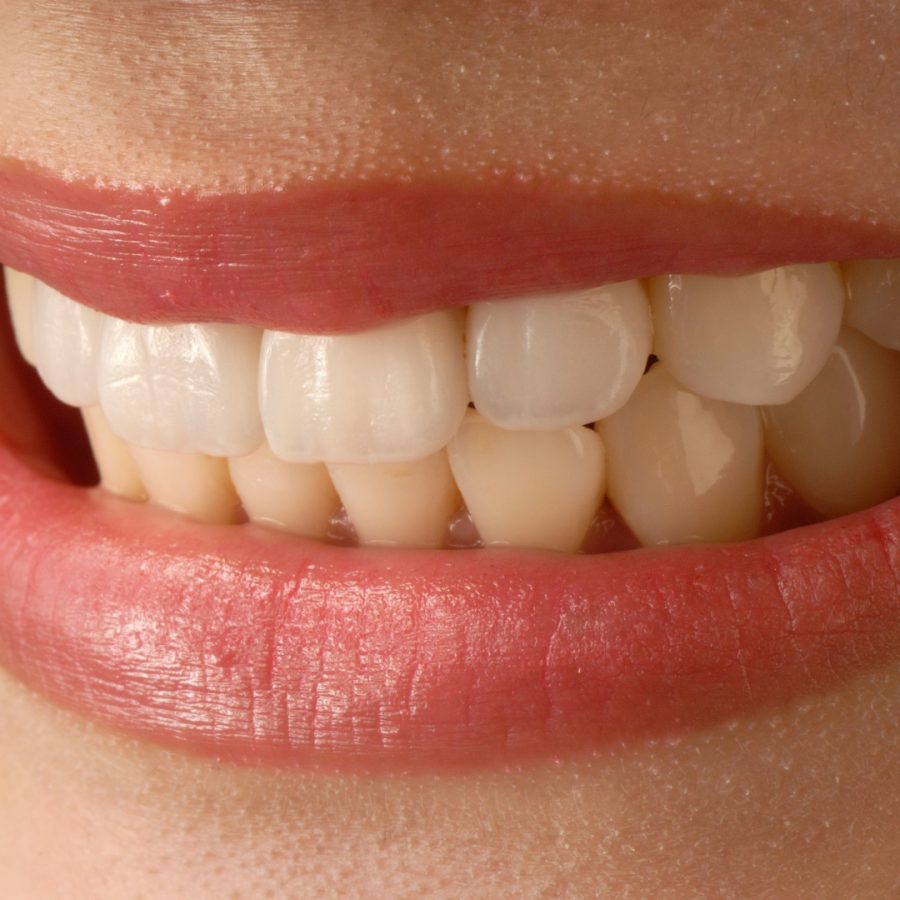
A veneer may be considered when the tooth is structurally healthy but has an aesthetic concern such as resistant discolouration, minor chipping, uneven shape, small gaps or mild visual irregularity. It may also be used to improve tooth proportions as part of a planned smile makeover.
However, veneers may not be appropriate when there is extensive decay, a very large filling, inadequate enamel, severe wear, uncontrolled teeth grinding, significant crowding or an unstable bite. Correct case selection is essential because a thin cosmetic covering cannot compensate for a weak underlying tooth.
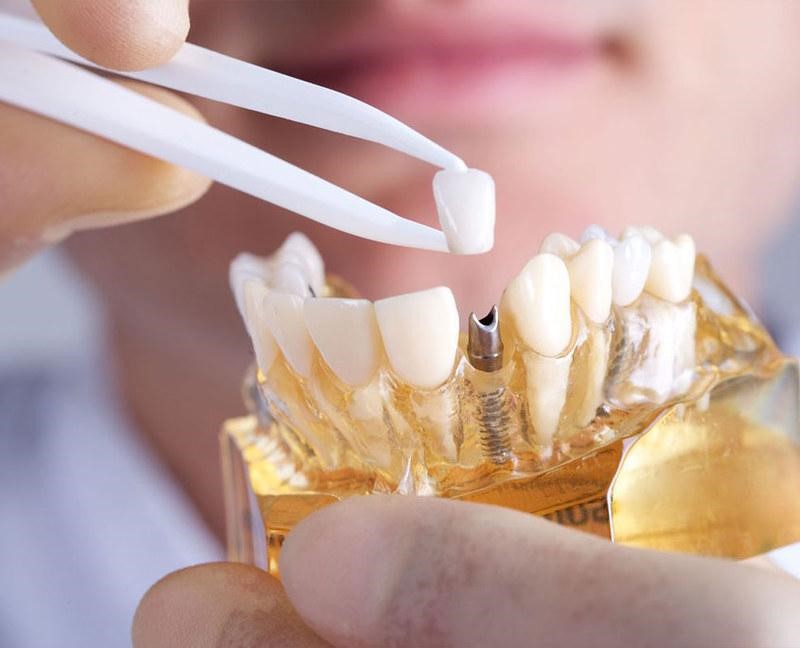
When Is a Dental Crown a Better Option?
A crown may be more appropriate when a tooth has lost substantial structure because of decay, fracture, wear or a large previous restoration. Crowns are also commonly considered for selected root-canal-treated teeth when additional protection is required.
Before placing a crown, the dentist should evaluate whether the tooth can be predictably restored. Some teeth may require a filling foundation, post-and-core treatment, gum treatment or bite correction. A crown should not be recommended merely to improve colour when a more conservative option can provide a predictable result.
Can Veneers or Crowns Correct Crooked Teeth?
Minor visual irregularities, small gaps and differences in tooth shape may sometimes be improved with veneers, bonding or crowns. This is sometimes referred to as cosmetic alignment.
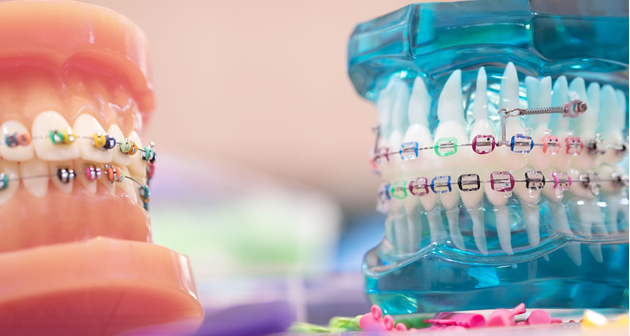
However, veneers do not physically move the roots of teeth. Moderate or severe crowding, protrusion, rotated teeth and bite problems may require aligners or braces. Excessive tooth cutting should not be used as a substitute for orthodontic treatment when movement of the teeth would provide a healthier and more conservative result.
Conclusion
A laminate is a thin layer of material placed over the tooth’s surface to improve its appearance. A veneer is a thin layer of material placed over the tooth’s front surface to improve its aesthetics. A dental crown is a full-coverage restoration used to restore function and aesthetics to a damaged tooth. Each of these procedures has its unique benefits, and it’s important to understand the differences so that you can make the best decision for your dental health.
Suggested Article:
- What are veneers and dental crowns?
- Case Study: Dental Implants with Crown
- Do Dental Crowns turn black?
Medical Disclaimer
This article is for patient education only. Dental treatment should be planned after clinical examination, medical history review, and X-rays or scans where required. Treatment suitability, cost, timeline, healing, and results vary from patient to patient.