

Dental implants are commonly made from biocompatible materials such as titanium because they are strong, durable and highly resistant to corrosion. A common question among patients is whether a dental implant can rust inside the mouth. Titanium does not rust in the same way that ordinary iron does. Instead, titanium naturally forms a thin protective oxide layer that contributes to its corrosion resistance. However, dental implants still require proper oral hygiene and regular professional care to reduce the risk of complications.
Who Is This Article For?
- Patients considering dental implants
- People concerned about titanium inside the mouth
- Patients wondering whether dental implants can rust or corrode
- People researching titanium dental implants
- Patients experiencing changes around an existing implant
- Anyone wanting to understand how to maintain dental implants
What causes Dental Implants to rust?
There are several different metals used in dentistry, including gold, titanium, and stainless steel. While titanium won’t corrode, gold and stainless steel can rust. That’s because those metals have iron in them, which causes them to oxidize when exposed to moisture. The iron in the dental implant rusts, creating iron oxide in your body, which is toxic and can cause infection.
Iron is a very common element in the human body, which is actually a good thing—as long as it doesn’t oxidize. Oxidized iron is ferrous oxide. When it’s ferrous oxide, it doesn’t belong in your body—but it’s often used there when people get dental work done. A metal like iron used in hardware or dental restoration can oxidize, causing problems in your body.
It’s rare, but not out of the question!
You can expect to get about 15 years out of your dental implants, though making the decision to get them as soon as they’re recommended, and then practicing consistency in care, can push their life span well beyond a decade and a half. But if you live long enough, your dental implants will eventually require restoration work.
Implants are resistant to rust, but not invulnerable to it. Reactions between the jawbone, the metal implant and saliva can generate tiny pulses of electricity that can, over a long period of time, begin to corrode dental implants. Yet, only a small fraction of dental implant patients need restorations due to rust and corrosion.

More studies are taking deeper looks into the hard percentages of people who encounter any degree of rust on their titanium implants. The scope of these studies isn’t limited to dental implants. They’re also looking at vulnerabilities to rust in other common applications of titanium in the human body, from hip and knee replacements to repairs for broken bones.
How can you stop Dental Implants from rusting?
While dental implants won’t rust, you’ll likely still need to take preventative measures to keep them free of debris and bacteria. You’ll want to brush and floss regularly. But you’ll also want to rinse your mouth out with an anti-bacterial mouthwash at least once a day. This will help you avoid bacterial infections, which can cause dental implants to rust or corrode.
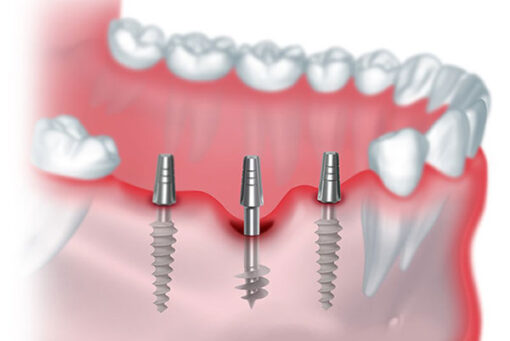
When you go in for your regular dental cleanings. Your dentist will likely clean the implants for you, removing any buildup that might jeopardize their effectiveness. You’ll also want to be careful when eating and drinking. Avoid eating or drinking anything acidic, as it can cause your dental implants to rust.
Why are Implants made of Titanium?
Titanium is a popular choice for dental implants primarily because of its strength and durability. It’s also widely used in other areas of healthcare, including in joint replacements and surgical tools. Implants are an excellent way to replace missing teeth, but they aren’t without some disadvantages. One of those is that they aren’t much to look at. Because they’re meant to stay in your mouth forever, they need to be extremely sturdy.
That means they don’t look like natural teeth at all—they’re either made out of gold or implanted directly into your jawbone. Titanium is a great material for dental implants because it’s extremely durable and doesn’t corrode or rust. You’ll want to be careful, though—it’s also very hard, which can cause painful chewing if it’s not properly fitted.
Will Titanium in Mouth cause problems during Surgery?
While dental implants won’t corrode or rust, certain other materials used in dentistry do. These dental materials can cause problems in surgery and even cause infections if they’re used in a dental implant. For example, gold is often used in dental work. But it can cause problems during surgery because of its reaction to the human body.
Its corrosion can cause localized infection. And it can also affect the rest of the body if it enters the bloodstream. Some other materials used in dental work, like stainless steel and chromium. Are also problematic because of their potential to cause allergic reactions, especially when implanted in the body.
Conclusion
While dental implants won’t rust, you’ll still need to practice good oral hygiene to keep them healthy. Avoid eating or drinking anything that could potentially cause an infection, and rinse your mouth out with antiseptic mouthwash. You’ll also want to brush your implants regularly with a soft-bristled toothbrush. If you’re getting dental implants. You’ll want to be careful not to eat or drink anything that could cause an infection. Stay away from acid-based foods and beverages and wash your mouth out regularly with antiseptic mouthwash.
Frequently Asked Questions
Will dental implants rust?
Titanium dental implants do not rust like ordinary iron. Titanium forms a protective oxide layer that provides strong resistance to corrosion.
Can titanium dental implants corrode?
Titanium is highly corrosion-resistant, but it is not appropriate to describe any material as absolutely immune to all forms of corrosion under every condition. Dental implant complications are more commonly related to biological or mechanical factors rather than simple “rusting.”
Can acidic foods make dental implants rust?
No. Acidic foods and beverages should not be described as causing titanium dental implants to rust.
Are titanium dental implants safe?
Titanium has been widely used in implant dentistry because of its strength, corrosion resistance and biocompatibility. Suitability depends on the individual patient and clinical assessment.
What should I do if my dental implant is loose or painful?
Contact your dentist or implant specialist for an examination. A loose implant, persistent pain, swelling or bleeding should not be assumed to be normal or caused by rust.
Suggested Article –
- Pros and Cons of Full Mouth Dental Implants
- Difference between Crowns and Dental Implants?
- Who is the Best Dental Implant specialist
Medical Disclaimer
This article is for patient education only. Dental treatment should be planned after clinical examination, medical history review, and X-rays or scans where required. Treatment suitability, cost, timeline, healing, and results vary from patient to patient.