For a dental implant to be successful, it needs a strong and healthy foundation. This is why the idea of placing an implant in infected gums can seem counterintuitive—and even alarming. It’s a common and valid concern for many patients: is it even possible to get an implant if my gums aren’t perfectly healthy? The truth is, while a healthy mouth is the ideal starting point, modern dentistry has developed effective protocols to address this very issue. This post will walk you through how dentists approach this challenge, explaining why treating the infection is the critical first step and how a successful, lasting implant is still very much within reach.
Sometimes, implants can become infected, causing inflammation in the soft tissues and bone loss around the implant, often by a condition called Peri-Implantitis. Peri-implantitis is an inflammation similar to gum disease and it affects the gum tissues and supporting bone surrounding an implant.
What is a gum infection?
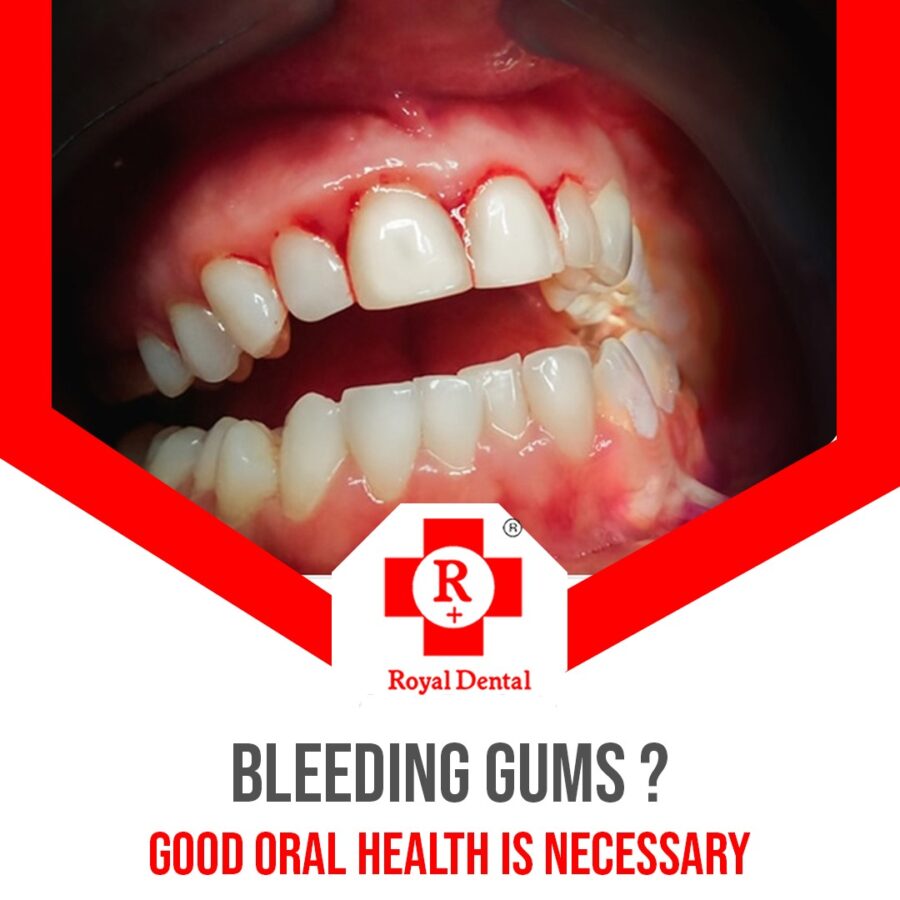
A gum infection is a condition in which gums become red, swollen, and infected. Typically, gum infections occur when plaque and tartar build up on the teeth and gums. They can also occur from poor oral hygiene. Some people may be more susceptible to gum disease than others. Factors include genetics, smoking, medications and diet. Gum disease is considered to be a non-communicable disease, like cancer.
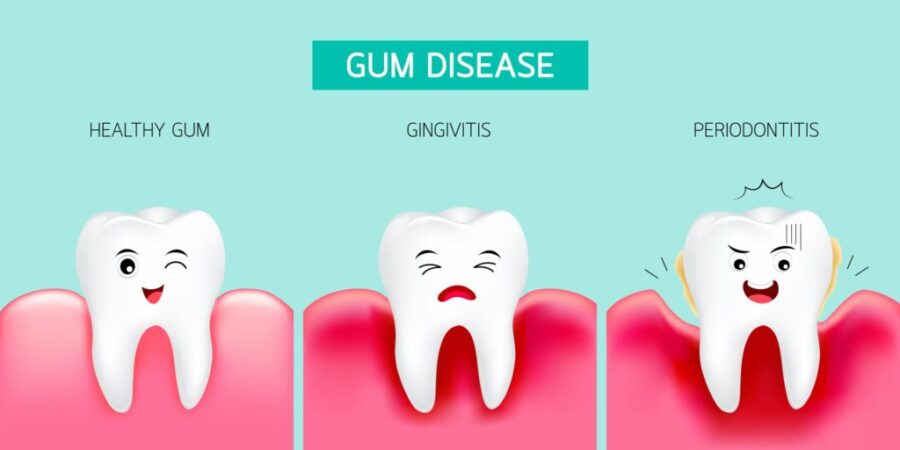
The bacteria that cause gum disease are different than the bacteria in other types of infections, such as influenza or strep throat. There are two types of gum disease: gingivitis and periodontitis. Gingivitis is a mild gum disease that is reversible with good oral hygiene. If left untreated, gingivitis can lead to periodontitis, a more serious disease of the tissues surrounding the teeth. Periodontitis is irreversible without treatment. It can lead to tooth loss if left untreated.
Will you lose your teeth if you have gum disease?
- Like we mentioned earlier, periodontal disease is a leading cause of tooth loss in adults. However, if you’ve been diagnosed with gum disease, don’t automatically assume you’ll lose a tooth.
- When you address the issue (the sooner, the better), there are treatments available and habits you can adopt to reverse the infection and avoid tooth loss.
- Tooth loss occurs as a result of severe damage to the soft tissue of your gums. This lack of healthy soft tissue allows bacteria to move deeper into your mouth and destroy the bone that supports your teeth.
Dental implants for people with gum disease
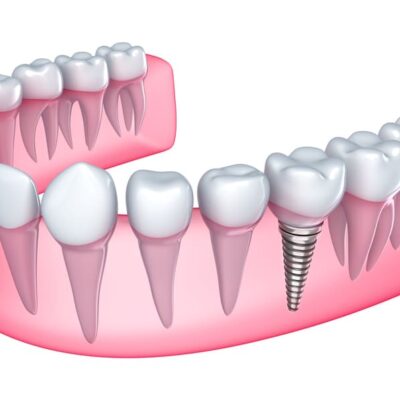
If you have gum disease, you might be wondering if dental implants are a good option for you. Dental implants are artificial teeth that are surgically placed into your jawbone. A gum infection may make it more difficult to receive dental implants. Your dentist may recommend that you treat any gum disease before placing implants. This is because gum disease can make it difficult to place the implants properly.
If you receive implants, your dentist may suggest that you brush your teeth gently around the implants. This will help prevent gum disease. You may also want to brush your implants to remove any plaque. If you have gum disease, you may want to consider other options for replacing missing teeth.
Can you get dental implants if your gums are diseased?
If you want to get dental implants, but you have gum disease, you may wonder if you can still receive them. The answer depends on how severe your gum disease is. Gum disease is a major risk factor for losing teeth. However, if your dentist can manage the infection, they can also help place the dental implants. Your dentist may recommend that you treat the infection before placing implants. They may also recommend that you take antibiotics before the procedure. This can help prevent the infection from spreading to the surgical site and the surrounding area.
Why you can’t get dental implants if you have an infection?
If you have gum disease and you want dental implants, you may wonder why your dentist would advise against it. Implants are typically recommended for people who don’t have gum disease. If you have an infection in your gums, your dentist may be concerned that it will spread to the surgical site and cause complications. If the infection spreads to the surgical site, your dentist may not be able to place the dental implants. Your body may also respond to the infection by forming scar tissue. This can make it difficult to place the implants and may make them less effective in the future.
The simple answer is maybe. But you need healthy, strong gums to get a dental implant. Like we mentioned before, gum disease weakens and dissolves this tissue and bone. So even after you’ve treated the disease, your gum tissue and jawbone may not be strong enough to support an implant!
Conclusion
If you have gum disease, you may wonder if dental implants are right for you. Dental implants are a great option for replacing missing teeth, but only if you have healthy gums. If you have gum disease, dental implants may not be the best option for you. Your dentist may suggest that you treat the gum disease before placing dental implants. This can help prevent complications and ensure that you receive a successful dental implant procedure.
Suggested Article –
- Pros and Cons of Full Mouth Dental Implants
- Difference between Crowns and Dental Implants?
- Who is the Best Dental Implant specialist in Delhi?
- Are dental implants better than alternates?
Medical Disclaimer
This article is for patient education only. Dental treatment should be planned after clinical examination, medical history review, and X-rays or scans where required. Treatment suitability, cost, timeline, healing, and results vary from patient to patient.