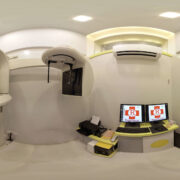


Can a dental CBCT scan detect sinus problems? It can show the bony anatomy of the upper jaw, sinus floor and nearby nasal passages, along with radiographic changes such as mucosal thickening, fluid or partial sinus opacification. However, a CBCT scan alone does not confirm sinusitis or nasal allergy. The findings must be interpreted along with your symptoms, dental examination and medical history. In some cases, an ENT evaluation may also be required. A dental CBCT scan is particularly useful when a dentist is evaluating an upper-tooth infection, planning dental implants or sinus lift surgery, investigating unexplained one-sided sinus symptoms, or checking whether dental disease may be affecting the maxillary sinus.
Who Is This Article For?
- Patients experiencing sinus-related symptoms
- Individuals preparing for dental implants
- Patients with recurring sinus infections
- People suffering from facial pain or pressure
- Anyone considering a dental CBCT scan
What is a CBCT scan?
A CBCT scan is a type of CT scan that uses a cone-shaped x-ray beam to create high-quality images of your patient’s teeth and mouth. Its name derives from the fact that it uses a cone-shaped beam to create the images. CBCT technologies have been used in medicine for years, but dental CBCT has only been around since the early 2000s.
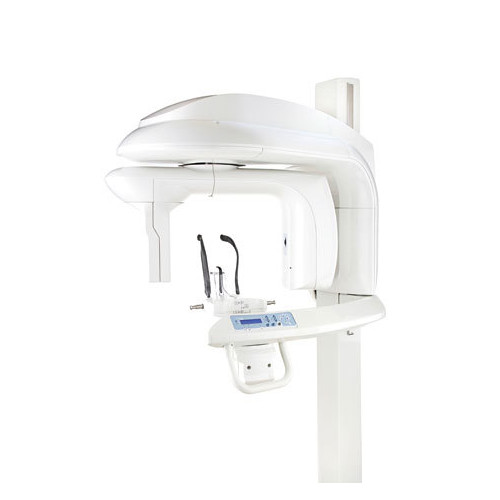
Dental CBCT uses X-rays, so radiation exposure is involved. The radiation dose is generally lower than that of a medical CT scan but higher than that of a conventional dental X-ray. The actual dose depends on the machine, field of view and scan settings. CBCT should therefore be recommended only when the additional three-dimensional information is clinically useful. CBCT provides detailed images of teeth, bone, the sinus floor and certain visible sinus changes. It is not a replacement for medical CT or MRI when detailed assessment of soft tissues or more extensive sinus disease is required.
What to know about CBCT scans?
CBCT scans are quick and in most cases, a full mouth scan only takes about 20-40 seconds. When having a CBCT scan taken, you can expect to be seated while an x-ray arm slowly rotates around your head. To ensure your head remains still during the scan, your dentist may have you rest your head against part of the machine and/or use stabilisers in or around your ears to gently hold your head in place. The scan should cause you no discomfort.
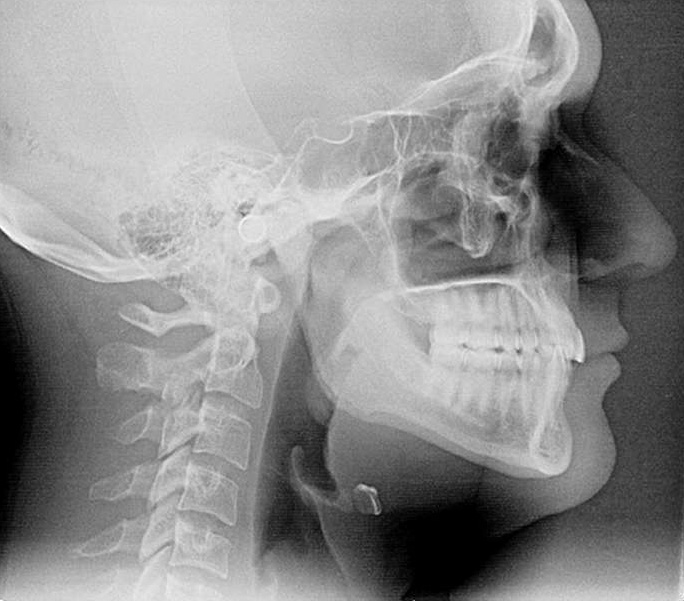
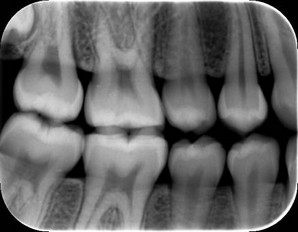

In case you are wondering, CBCT scans do use radiation, however, they use significantly less radiation than traditional CT scanners and are considered to be safe. At any given time, we are all exposed to what is known as background radiation. A medical CT scanner produces enough radiation to be equivalent to 63-154 days of background radiation, while a CBCT scan only produces about 6-30 days of background radiation.
How does dental CBCT scan work for sinus issues?
CBCT scans work by taking multiple images of your patient’s face and teeth while they are in the dental chair. As your patient’s head and jaw move from image to image. The software stitches the images together to create a 3D image of your patient’s mouth and teeth. CBCT scans work best for patients who are able to hold their heads still for the duration of the scan.
During a CBCT scan, you will sit or stand while the machine rotates around your head. The scan is painless and usually takes only a few seconds. You will be asked to remain still while the images are captured.
What sinus findings can appear on a dental CBCT scan?
- Thickening of the sinus lining
- A retention cyst or polyp-like lesion
- Fluid or partial opacification within the sinus
- Narrowing near the sinus drainage pathway
- Sinus septa or other anatomical variations
- An upper-tooth infection close to the sinus floor
- A foreign body or displaced dental material
- A possible communication between the mouth and sinus after extraction or surgery
Not every finding indicates active sinus disease. Some changes may be incidental and need to be interpreted in relation to symptoms and clinical examination. Incidental maxillary sinus findings are relatively common on dental CBCT scans.
Is it possible to see sinus issues in a CBCT scan?
A CBCT scan may help you see issues with your patient’s sinuses or nasal passages and gain insight into the cause of their issues. Sinus issues and nasal allergies are often the results of swelling and inflammation. CBCT scans can help you see the areas of swelling and inflammation, which can be particularly helpful if you’re trying to determine if the issue is caused by dental work.
Dental work can cause sinus issues, but in many cases even when standard x-rays show no signs of a problem sinuses are still inflamed. This is because dental x-rays penetrate only a few centimeters into the patient’s head. But the sinuses extend into the patient’s skull. CBCT scans can provide a much more detailed image that helps you see the sinuses and their position. This can help you determine if dental work is causing the issues or if there are other causes.
Benefits of a dental cone beam scan – Sinus issues
Like other imaging options, CBCT scans don’t just give you a picture of your patient’s teeth and jaws. They also provide images of other structures in the patient’s mouth and faces, such as their sinuses and nasal passages. This can be helpful if your patient has sinus issues or nasal allergies, as sinuses are often the root cause of these issues. A CBCT scan may help you see the areas of swelling and inflammation that could be contributing to your patient’s issues. CBCT scans also provide higher-resolution images than traditional dental x-rays. This can be useful if you’re trying to identify specific areas of dental decay or infection.
Limitations of a CBCT scan
CBCT scans aren’t right for every patient, and they may not provide all the information you need. CBCT scans don’t provide the same level of information as dental x-rays. So they won’t be able to detect decay or other dental issues that x-rays can. This means that CBCT scans alone may not be enough to assess your patient’s dental health. CBCT scans also provide less information than CT scans done in other settings. This means they can’t be used to detect diseases like cancer or other serious health issues.
Can a dental infection cause sinus problems?
An infection involving an upper premolar or molar can sometimes affect the nearby maxillary sinus because the roots of these teeth may lie close to the sinus floor. A dental source may be considered when symptoms are mainly on one side, when there is pain or infection around an upper tooth, or when a CBCT shows a dental lesion near the sinus.
Treatment depends on the cause and may involve root canal treatment, extraction, drainage or other dental care. If the sinus condition is extensive or the diagnosis is uncertain, referral to an ENT specialist may be appropriate.
Conclusion
A dental CBCT scan can help show the relationship between the upper teeth, jawbone and maxillary sinus. It may reveal dental infection, sinus lining changes, anatomical variations or findings relevant to implant and sinus lift planning. However, a CBCT scan is not a standalone test for sinusitis or allergy. The findings should be interpreted with your symptoms and clinical examination. If you have persistent one-sided sinus symptoms, facial pain, nasal discharge, recurrent sinus infections or a recent dental procedure, speak with your dentist and seek medical advice when required.
FAQ
Can a dental CBCT scan show sinus infections?
Yes. CBCT scans can reveal signs of sinus inflammation, mucosal thickening, fluid accumulation, and other changes commonly associated with sinus infections.
Is a CBCT scan better than a regular dental X-ray for sinus evaluation?
Yes. CBCT provides three-dimensional images and significantly more detail than traditional dental X-rays, making it more effective for evaluating sinus anatomy and pathology.
Can dental problems cause sinus issues?
Yes. Infections involving upper teeth, periodontal disease, failed root canal treatments, and certain dental procedures can contribute to sinus inflammation and odontogenic sinusitis.
What sinus conditions can be detected on a CBCT scan?
A CBCT scan may detect mucosal thickening, sinusitis, retention cysts, sinus opacification, fluid levels, anatomical variations, and other sinus abnormalities.
Can a CBCT scan show a sinus infection?
It may show radiographic changes associated with sinus inflammation, but the scan alone cannot confirm whether an infection is active. Symptoms, examination and medical history are also important.
Can an upper tooth infection affect the sinus?
Yes. Infection around the roots of some upper premolars and molars may extend towards or affect the maxillary sinus.
Can CBCT show blocked sinuses?
It may show narrowing or blockage in the visible sinus drainage area, depending on the scan coverage. A medical evaluation may be needed for a complete assessment.
Is a dental CBCT scan painful?
No. The scan is non-invasive and painless. You only need to remain still for a few seconds while the machine captures the images.
Is CBCT better than a normal dental X-ray?
CBCT provides three-dimensional information and may be useful when the exact relationship between a tooth, bone and sinus needs to be assessed. A conventional X-ray may be sufficient for simpler dental problems.
Should I see an ENT specialist after a sinus finding on CBCT?
Not always. The next step depends on the finding and your symptoms. Your dentist may recommend observation, dental treatment or an ENT consultation.
Suggested Article –
- Pros and Cons of Full Mouth Dental Implants
- Difference between Crowns and Dental Implants?
- Who is the Best Dental Implant specialist in Delhi?
- Are dental implants better than alternates?
Medical Disclaimer
This article is for patient education only. Dental treatment should be planned after clinical examination, medical history review, and X-rays or scans where required. Treatment suitability, cost, timeline, healing, and results vary from patient to patient.