
Dental implants are a great way to restore your teeth after you’ve lost some or all of your natural teeth. They also give you the opportunity to avoid wearing dentures and help you feel more confident about speaking, smiling, and eating once again. If you’re interested in getting implants, one of the first things you need to know is what goes on top. There are different ways that dentists can place an implant into your jawbone and it matters which one they choose! A dental crown will be fitted over an implant. To help you understand, know about placing a dental implant, we’ve put together this blog post.
Who Is This Article For?
This article is helpful for:
- Patients considering dental implants
- People replacing missing teeth
- Individuals curious about implant restorations
- Patients scheduled for implant treatment
- Anyone interested in understanding dental implant components
What goes on top of a dental implant?
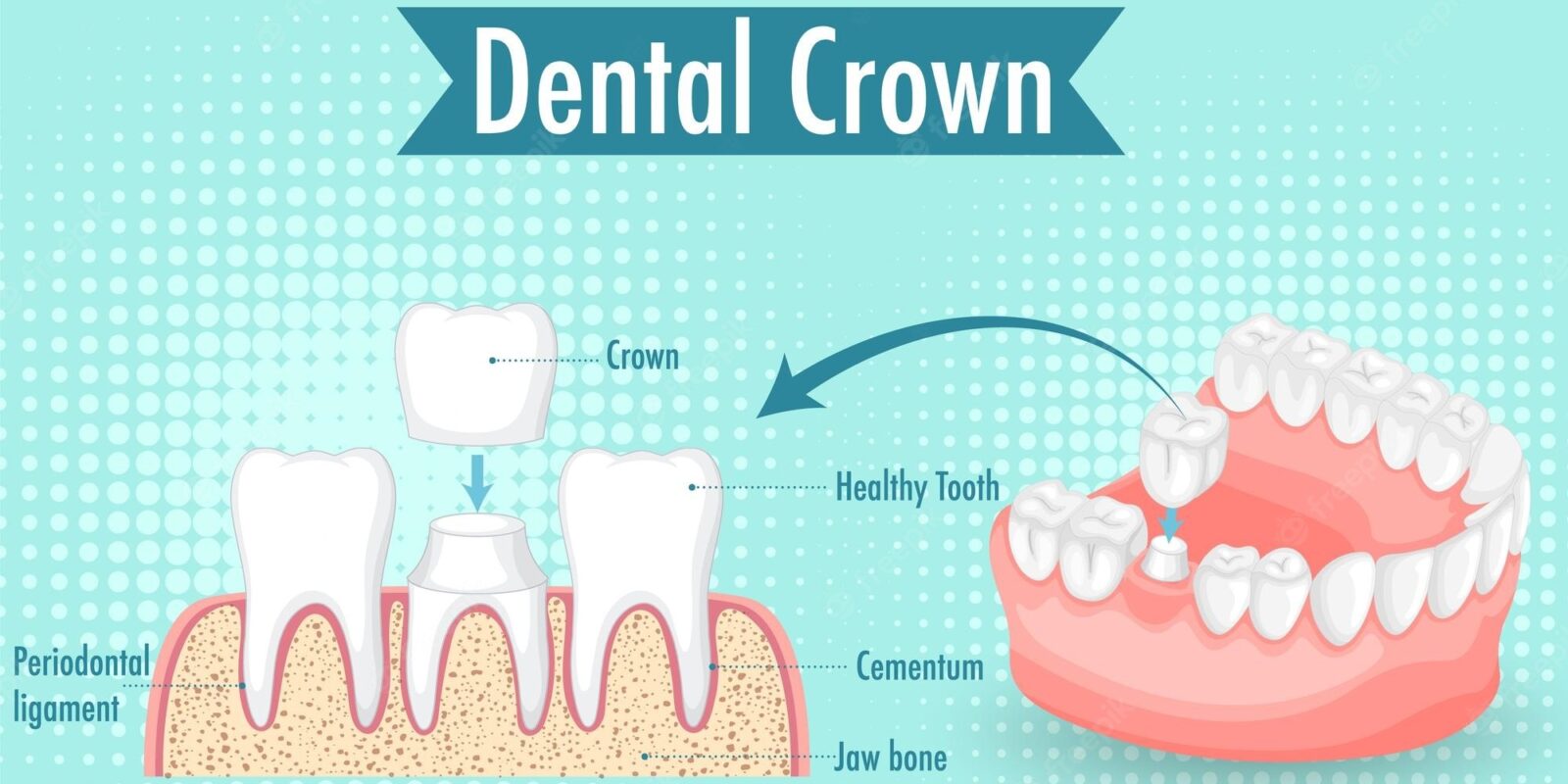
Dental implants are the metal fixtures that are placed into your jawbone during a dental procedure. They are meant to mimic tooth roots, receiving nutrients from your saliva, and growing into the jawbone. Over time, the jawbone bonds with the metal, creating a strong foundation that allows the implant to be used as a tooth root while it integrates with your jaw. A dental crown is a covering that is placed on top of an implant.
Crowns are the portion of a tooth that is visible after a filling or a cavity has been repaired. A crown is placed on top of a dental implant to prevent the tooth from becoming loose in the mouth. During the first stages of healing, a dental implant may not be strong enough to hold a toothbrush and withstand chewing forces. Dental crowns are often made from porcelain fused to a metal alloy. This type of dental crown is called porcelain fused to metal (PFM) crown.
How are dental implants placed?
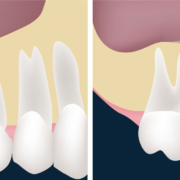
Alveolar Implant Placement – Alveolar implant placement is the most common way to place dental implants. This type of implant is placed at the gum line or alveolar bone, which is located at the top of the jaw. The dentist will make a small incision in the gum so that they can place the implant in the bone. This is a more invasive procedure compared to follicular insertion. The healing time is typically shorter, and you’ll be able to return to your normal diet sooner compared to follicular insertion.
Most people experience minimal pain after this type of implant placement. Pain is typically caused by the incision used to place the implant. It’s important to follow your dentist’s instructions for post-procedure care so you can avoid infection and minimize healing time.
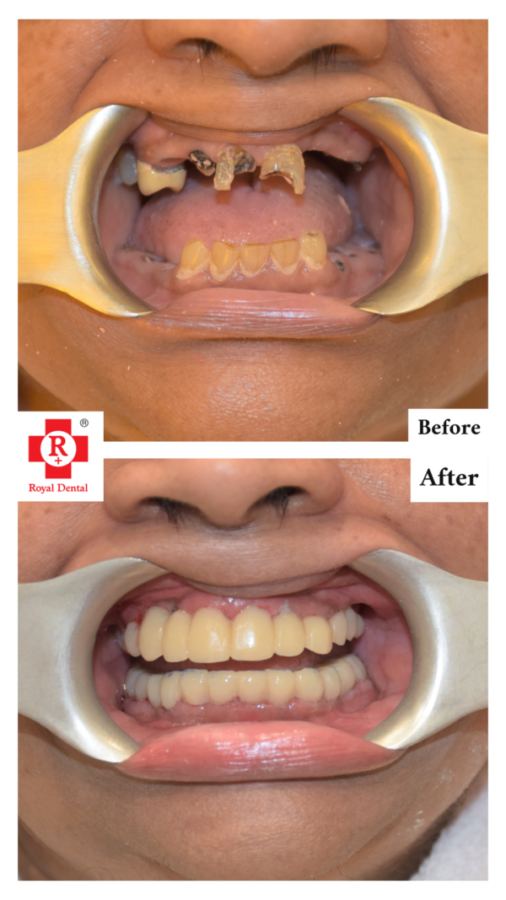
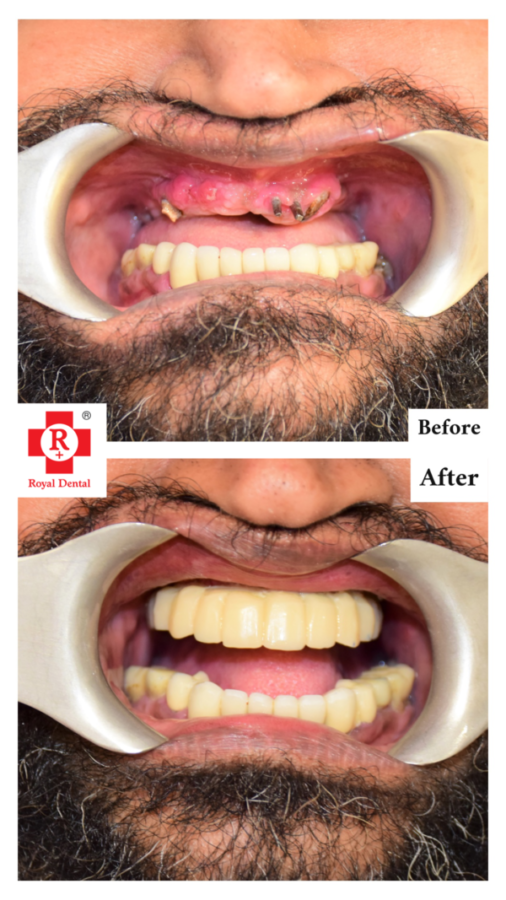
Follicular Implant Placement – This type of implant placement is only done when replacing a single missing tooth. The implant is placed deep in the jawbone behind the last molar, which is known as the mandible. Implant placement in this region of the jawbone is less common because of the difficulty involved with the procedure. There is also a higher risk of developing osteonecrosis, which is a serious bone death condition. Follicular implant placement requires the removal of more bone and might be an option when the alveolar bone is difficult to reach.
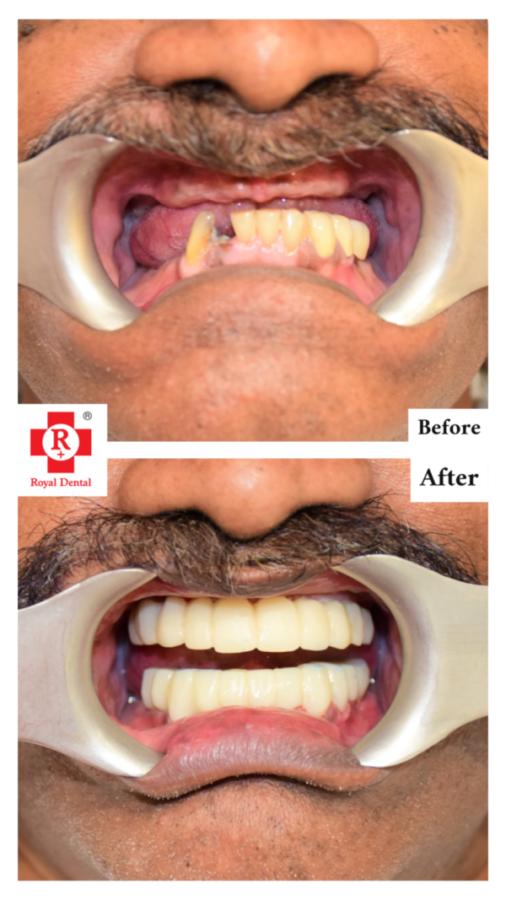
Fixed Prostheses: These are dental restorations that are placed on top of dental implants. They are used to replace missing teeth and improve a patient’s smile. Fixed dental prostheses are similar in design to a crown, but they are much larger. Because they are permanently mounted on the bottom of an implant, they are referred to as fixed dental prostheses. Fixed dental prostheses can be used to replace a single missing tooth or all of your teeth. They are not easily removed, which makes them suitable for those who are dealing with dental issues such as gingivitis.
Removable dentures option
Removable dental prostheses are dental restorations that are placed on top of implants. They are used to replace missing teeth and improve a patient’s smile. Fixed dental prostheses are similar in design to a crown, but they are much larger. Because they are placed on top of an implant, they are referred to as removable dental prostheses.
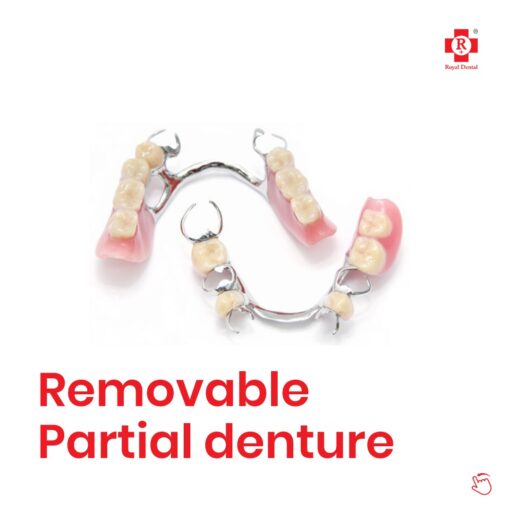
Dental implants with removable dental prostheses are suitable for those who want the convenience of a removable denture. You’ll be able to remove them when you want to eat, brush your teeth, and go to sleep. Removable dental prostheses are often used to replace a full upper or lower arch or a combination of teeth. They are very durable and can last for many years.
Where are dental implants placed?
It can be placed anywhere in the mouth where there is sufficient bone to support a tooth. The best candidates for dental implants are people who have healthy mouths and teeth, are free of oral disease, and have sufficient bone density. The best way to determine if you are a good candidate for dental implants is to schedule an appointment with your dentist.
Your dentist will ask about your medical history, give you a dental exam, and order any necessary blood tests. If you are a good candidate, your dentist will schedule you for a bone grafting procedure. During this procedure, your dentist will remove a small amount of bone from one area of your mouth and transplant it to the area of your jaw where you want the implants placed.
Conclusion
What goes on top of a dental implant depends on the patient’s needs, but the most common restoration is a custom-made dental crown attached through an abutment. In cases involving multiple missing teeth, implant-supported bridges or dentures may be used. Together, these components create a strong, natural-looking, and functional tooth replacement solution that restores both appearance and oral health.
Book Your Consultation
At Royal Dental Clinics, we provide advanced dental implant treatment, custom implant crowns, implant-supported bridges, full-mouth rehabilitation, and digital smile planning to help patients achieve durable, natural-looking tooth replacement results.
FAQ
What goes on top of a dental implant?
A dental crown is the most common restoration placed on top of a dental implant. In some cases, bridges or implant-supported dentures may be used.
What is an abutment in a dental implant?
An abutment is the connector that joins the implant fixture to the final restoration such as a crown or bridge.
Is the crown part of the dental implant?
The crown is a separate component attached to the implant through the abutment and serves as the visible replacement tooth.
Can multiple teeth be placed on dental implants?
Yes. Implant-supported bridges and dentures can replace multiple missing teeth using dental implants for support.
Can an implant crown be replaced?
Yes. If necessary, the crown can be repaired or replaced while the implant fixture remains in the jawbone.
Suggested Article –
- Pros and Cons of Full Mouth Dental Implants
- Who is the Best Dental Implant specialist in Delhi?
- Are dental implants better than alternates?
Medical Disclaimer
This article is for patient education only. Dental treatment should be planned after clinical examination, medical history review, and X-rays or scans where required. Treatment suitability, cost, timeline, healing, and results vary from patient to patient.