
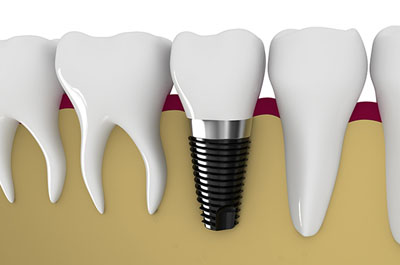
One of the most common questions patients ask before dental implant treatment is whether they have enough bone to support an implant. Dental implants rely on healthy jawbone for stability and long-term success. The amount and quality of bone available can influence treatment planning, implant placement, and healing. Fortunately, modern implant dentistry offers several solutions for patients with reduced bone volume or density.
Women over the age of 50 and men over 70, are at increased risk for developing low bone density. This happens with ageing as a reduction in oestrogen production and accelerated bone resorption as well as weaker bones. If you are not sure about these things, consulting with an oral surgeon who specializes in edentulous (toothless) patients is advisable, especially if you’re thinking about getting dental implants in the future.
Who Is This Article For?
- People considering dental implants
- Patients with missing teeth
- Individuals concerned about bone loss
- Patients told they may not qualify for implants
- Anyone interested in implant dentistry
What Factors determine if you are Candidate for Dental Implant?
- Your overall health — your general state of nutrition and whether you are taking calcium supplements and vitamin D.
- The quantity of bone — i.e., the amount you have.
- Density of the bone — i.e., how strong it is.
- The quality of the bone — i.e., the number of collagen fibres.
- Whether you are currently undergoing any hormonal therapy.

How much Bone do you have?
You will have less bone than the person standing next to you and less than the amount needed to support a dental implant, so you will need to get supplemental bone to fill in the difference. The amount of bone needed to support an implant is determined by measuring the width, length, and thickness of your jawbone
The thickness of the jawbone is measured by a device called a precision vernier caliper to determine the thickness of the bone over a certain distance. The width and length of the jawbone are important because they determine the width and length of the implant, but the thickness of the jawbone is also important because it determines the amount of bone needed to support the implant.
How dense is your Bone?
The density of the bone is determined by a device called a Quantitative Computerized Tomogram (QCT) scanning device. The QCT scans the bone and a computer calculates the bone density. The estimated bone density can differ from the actual bone density. If there has been a significant reduction in the density of the bone, you may not be a candidate for dental implants. If your bone density is normal, you should be a candidate for dental implants.
What is the quality of your Bone for Implant?
The quality of your bone is determined by the number of collagen fibers in the bone. This can be measured by a device called an ultrasound bone densitometer. Dentin, the bone-like tissue that makes up the majority of the tooth root, has a large number of collagen fibers. When an implant is placed, the dentin on the tooth root is resorbed, and new bone forms on the implant with a large number of collagen fibers. To have a successful outcome, it is necessary to have the adequate bone quality to support the implant with enough collagen fibers to resorb and form new bone.
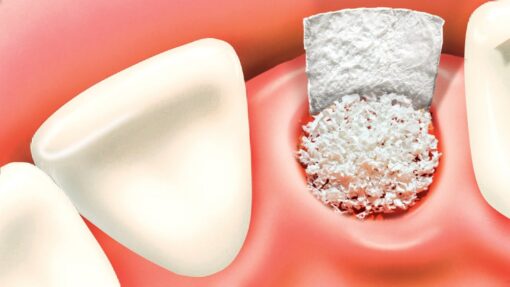
Factors determine for Implant Success
If you have gum disease or other oral health issues such as gingivitis or periodontitis. You may not be a candidate for dental implants. You are not taking adequate care of your teeth and gums, you’re more likely to develop a periodontal disease that can spread to the surrounding tissues, including the jawbone, and cause significant bone loss. If you have significant bone loss, you may not be able to get dental implants. You have a history of taking certain medications, you may not be a candidate for dental implants. If you are not in good general health, you may not be a candidate for dental implants.
Conclusion
Successful dental implant treatment depends on adequate jawbone support, including both bone volume and bone quality. Even if bone loss is present, modern dental techniques often provide effective solutions that make implant treatment possible. A thorough examination and advanced imaging can help determine the most appropriate approach for achieving long-term implant success.
Book Your Consultation
At Royal Dental Clinics, we use advanced CBCT imaging, digital implant planning, bone grafting procedures, and modern implant techniques to evaluate bone conditions and provide personalized treatment solutions for every patient.
FAQ
How do I know if I have enough bone to support an implant?
A dentist can evaluate your jawbone using clinical examination, digital X-rays, and CBCT scans to determine implant suitability.
Can I get dental implants if I have bone loss?
Yes. Many patients with bone loss can still receive implants with the help of bone grafting or other advanced procedures.
What is the minimum bone required for a dental implant?
The exact requirement varies by implant size and location. Dentists evaluate bone height, width, and density before treatment planning.
Does bone density affect implant success?
Yes. Higher bone density generally improves implant stability and supports successful osseointegration.
Can bone grafting create enough bone for implants?
Yes. Bone grafting procedures can increase bone volume and improve support for future implant placement.
Suggested Article –
Medical Disclaimer
This article is for patient education only. Dental treatment should be planned after clinical examination, medical history review, and X-rays or scans where required. Treatment suitability, cost, timeline, healing, and results vary from patient to patient.