Many people wonder whether removing a damaged or loose tooth can solve their gum disease problem. While tooth extraction may sometimes be necessary in advanced cases, Will Tooth Extraction Cure Gum Disease is a question that requires a deeper understanding of periodontal disease. Gum disease affects the tissues and bone supporting the teeth, not just the teeth themselves. As a result, removing a tooth does not automatically eliminate the infection or inflammation affecting the gums.
In periodontal disease, bacteria such as P. gingival-is and other gram-negative species take up residence in the pockets of teeth. This may lead to a variety of inflammatory processes that include gingivitis, plaque accumulation, and tooth decay. With the progression of the disease process, toxins produced by the bacteria cause bone loss around the roots of teeth, which may result in tooth mobility and even tooth loss if left untreated. This can be especially problematic with wisdom teeth, also known as third molars. Read on to learn more about tooth extraction and whether or not it can treat or even cure gum disease.
Who Is This Article For?
- People diagnosed with gum disease
- Patients considering tooth extraction
- Individuals with loose teeth due to gum problems
- People experiencing bleeding gums or gum recession
- Anyone looking for effective gum disease treatment
What is a Tooth Extraction and how is it done?
A tooth extraction is the complete removal of a tooth from its socket in the jawbone. A tooth extraction may be done for various reasons, including dental infections, tooth damage, and tooth impaction. Draining abscesses, reshaping misshapen teeth, or correcting teeth that are too badly damaged for other treatments are other reasons for a tooth extraction. If the tooth has a diseased root, the dentist may recommend extraction to treat the infection and prevent it from spreading to other teeth.
A tooth extraction is performed by a dentist or oral surgeon. You will likely be given a local anesthetic to numb the area, depending on the type of tooth you have. Your dentist or oral surgeon will then use forceps or other tools to remove the tooth from your jaw.
Why does a Dentist recommend tooth extraction?
Tooth extraction is sometimes recommended to treat an infection or abscess that has formed around one or more teeth. In this case, the infected tooth or teeth are removed along with the infected tissue. A tooth extraction may also be recommended if none of the other treatments for periodontal disease are effective. If a tooth extraction is done, the dentist will likely recommend regular cleaning and dental screenings to prevent the spread of bacteria to other teeth.
It is to be noted, however, that the extraction of teeth alone doesn’t fix gum disease. Gum disease treatment incorporates a few appointments with the dentist, who will likewise recommend medication that forms a part of the treatment process.
Can Tooth Extraction Cure Gum Disease?
Tooth pull-out may be effective at temporarily curing specific signs and symptoms associated with periodontal disease, such as pain in the teeth or gums, or a bad taste in the mouth. However, tooth extraction does not lead to any long-term improvement in periodontal disease.
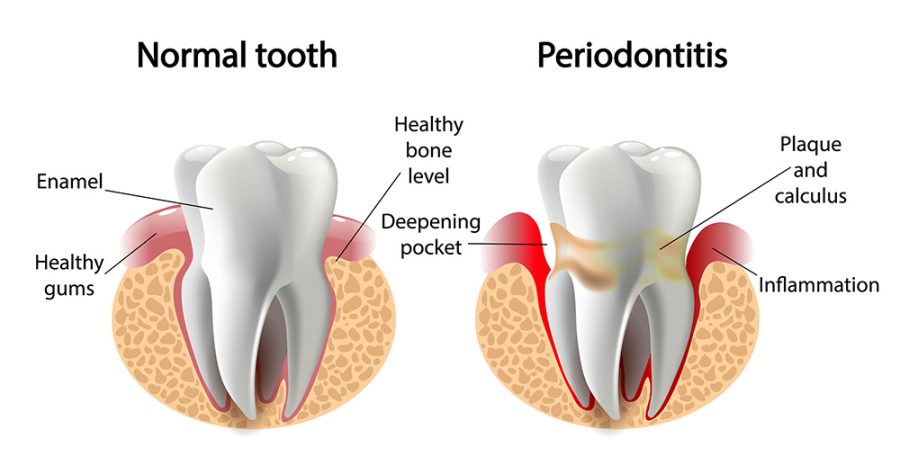
Periodontal disease progresses even if the teeth are removed, and it is likely that pockets of bacteria will form around other teeth even if you are practicing good hygiene and dental hygiene. Another problem is that a tooth may be removed that is adjacent to a smaller tooth that is not yet impacted. If the adjacent tooth is allowed to remain, it can become impacted and put the patient at risk for dental crowding, tooth misalignment, and other dental problems.
Will gum disease cause loss of other teeth?
Periodontal disease results in the loss of the bone around teeth, which can cause teeth to become loose. It is possible that teeth will become loose as a result of periodontal disease progression. However, it is unlikely that teeth will be lost due to tooth extraction. A tooth extraction will damage the surrounding periodontal ligament, which attaches the tooth to the bone. This ligament provides the tooth with its support. If the extraction site is not treated, the tooth that is left may become loose, but it is unlikely that other teeth will be lost as a result.
What are the alternatives for Tooth Extraction?
The first step in treating periodontal disease is to treat the bacteria with antibiotics. This is the best way to control the progression of the disease and avoid tooth extraction. If antibiotics do not work, patients can try scaling and root planing. This involves using a scalpel to remove bacteria from the teeth and the gum pockets. Patients can also use interdental brushes and dental floss to remove bacteria from between their teeth. These are the most basic and inexpensive ways to treat periodontal disease.
If they do not work, your dentist may recommend more invasive procedures to treat the disease including periodontal surgery or gum grafts. If these treatments do not work or are not recommended for other reasons, your dentist may recommend tooth extraction as a last resort.
Conclusion
Tooth extraction may be necessary for teeth severely affected by periodontal disease, but it is not a cure for gum disease itself. Since gum disease affects the surrounding gums and bone, successful treatment usually requires professional periodontal care, improved oral hygiene, and regular dental monitoring. Addressing the underlying infection early can help preserve oral health and prevent future tooth loss.
Book Your Consultation
If you are experiencing loose teeth, bleeding gums, gum recession, or symptoms of periodontal disease, early evaluation is important. At Royal Dental Clinics, our team provides comprehensive gum disease diagnosis, periodontal treatment, and tooth preservation solutions to help protect your smile. Book your consultation today.
Frequently Asked Questions
Will tooth extraction stop gum disease?
No. Removing a tooth does not remove the bacteria and infection affecting the gums and supporting bone. Additional periodontal treatment is usually required.
Why would a dentist extract a tooth because of gum disease?
A tooth may be extracted if severe bone loss or infection has made it impossible to save through other treatments.
Can gum disease spread to other teeth after extraction?
Yes. If the underlying infection remains untreated, bacteria can continue affecting nearby gums and teeth.
What is the best treatment for gum disease?
Treatment depends on severity and may include professional cleaning, scaling and root planing, antibiotics, and periodontal surgery when needed.
Can early gum disease be reversed?
Yes. Gingivitis, the earliest stage of gum disease, is usually reversible with proper oral hygiene and professional dental care.
Suggested Article –
Medical Disclaimer
This article is for patient education only. Dental treatment should be planned after clinical examination, medical history review, and X-rays or scans where required. Treatment suitability, cost, timeline, healing, and results vary from patient to patient.