Some dental problems begin with mild sensitivity, a small cavity or occasional gum discomfort. However, if the underlying cause is not treated, bacteria may enter deeper tissues and produce an infection around the tooth, gums or jawbone. A dental infection usually does not disappear permanently on its own. Pain may temporarily reduce if the nerve inside the tooth dies or an abscess begins draining, but the infection can remain active and continue damaging the surrounding tissues. Poor oral hygiene can cause dental problems infections such as bacterial, fungal or viral. Lets read more to find out.
Who is this Article for?
This article is for patients who have tooth pain, gum swelling, bleeding gums, cavities, bad breath, mouth sores, cold sores, white patches, or any oral discomfort and want to understand whether it may be linked to an infection. This blog helps patients understand that some dental concerns may be caused by bacterial, viral, or fungal infections, and early dental consultation can help prevent the problem from spreading or becoming more serious.
Dental Problems caused by Bacterial or Viral infections
Bacterial infections – such as gum disease, periodontitis, or cavities – can be treated with antibiotics, but they can also be prevented by thorough daily oral health routines, like brushing and flossing, combined with regular visits to the dentist. Viral infections are triggered by the herpes virus, which causes cold sores. These are an entirely different type of infection that is not treatable with antibiotics, but they can be controlled with antiviral medication.
Herpes is not a health risk to others unless they have an open or freshly healed sore; therefore, transmission can be avoided by not sharing drinks, eating utensils or towels. You can also avoid contact by using lip balm with sunscreen in the daytime, and lip balm with soothing ingredients at night.
Dental problems caused by Fungal Infections
Fungal infections are very uncommon in the mouth. They usually occur in people with weak immune systems, the very young, or the very old. The most common forms of fungal infections in the mouth are thrush, which is caused by a type of yeast, and angular cheilitis, a skin infection around the corners of the mouth.
While angular cheilitis can be treated with a topical anti-fungal cream, thrush requires more advanced treatment and may require prescription medication. Fungal infections can be prevented through good oral hygiene, including brushing and flossing daily, as well as regular visits to the dentist. If you think you may have a fungal infection, see your dentist as soon as possible.
Dental Problems caused by poor Oral Hygiene
Poor oral hygiene can cause and worsen many different dental problems. The longer food remains in your mouth, the more opportunity there is for bacteria to form and lead to cavities, or to cause gum disease. Improper brushing and flossing can lead to irritation of the gums and even gingivitis.
Using improper techniques when you brush can also lead to uneven wear on your teeth. Which can lead to sensitive teeth, tooth wear, and in the worst cases, chipped teeth. All of these problems can be treated with better oral hygiene practices. They can also be prevented by visiting your dentist regularly and following the recommended oral health routines.
Dental problems caused by irritation or allergies from food
Food allergies can cause a range of dental problems, including tooth sensitivity, gingivitis, or inflammation of the gums, and even cavities. These dental problems can be treated, but they can be prevented by avoiding the offending foods. Food allergies are caused by an overreaction of the immune system to a certain food. Food allergies that cause dental problems can be diagnosed through an elimination diet.
This means removing the potential irritants from your diet for a period of time. Usually a couple of months, and then slowly reintroducing them to see what causes a reaction. Food allergies can also cause other issues, such as itchy skin, rash, and gastrointestinal issues.
Untreated Tooth Decay
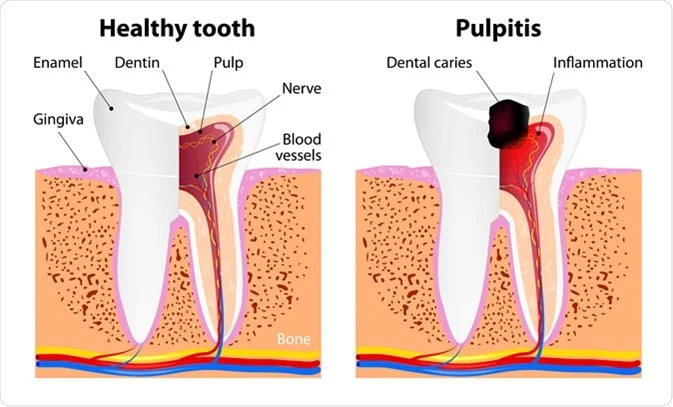
Tooth decay begins when bacteria and acids damage the outer enamel. If the cavity becomes deeper, it may reach the dentine and eventually the dental pulp containing the tooth’s nerves and blood vessels. Once bacteria enter the pulp, the tooth can develop pulpitis, loss of vitality or an abscess around the root. Symptoms may include persistent toothache, sensitivity to hot or cold, pain while chewing, swelling or a bad taste in the mouth. Early decay may be treated with a filling. Deeper infection may require root canal treatment, a crown or extraction when the tooth cannot be predictably saved.
Cracked or Broken Teeth
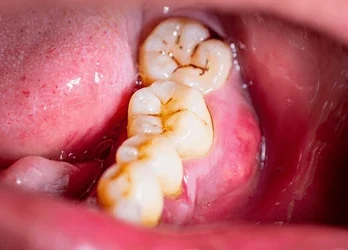
A crack, fracture or broken filling can allow bacteria to enter the inner portion of a tooth. The problem may initially cause pain only while biting or consuming something cold. If the crack extends towards the pulp, inflammation and infection can develop. Treatment depends on the depth and direction of the crack. Options may include bonding, a dental crown, root canal treatment or extraction. Early assessment improves the possibility of preserving the tooth.
Advanced Gum Disease
Gingivitis usually begins with red, swollen or bleeding gums. Without appropriate care, it may progress to periodontitis, affecting the tissues and bone supporting the teeth. Deep periodontal pockets can collect bacteria and lead to a periodontal abscess. Warning signs include localised gum swelling, pus, pain while chewing, bad breath, gum recession or tooth mobility. Advanced gum disease can ultimately result in tooth loss and dental abscess formation. NHS guidance on gum disease
Failed or Previously Treated Teeth
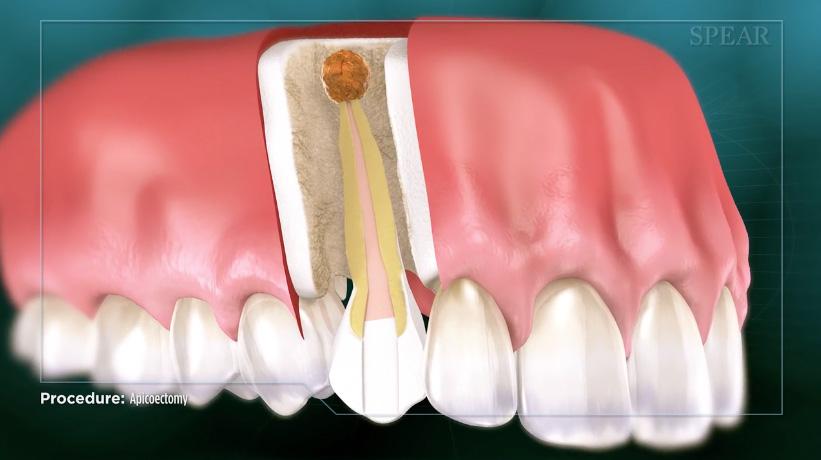
A tooth that has undergone root canal treatment can occasionally develop a new or persistent infection. This may happen because of untreated canals, leakage beneath a filling or crown, a tooth fracture or recurrent decay. Possible signs include pain on biting, gum swelling, a recurring pimple near the tooth or changes visible on an X-ray. Treatment may involve root canal retreatment, apical surgery or extraction depending on the condition of the tooth.
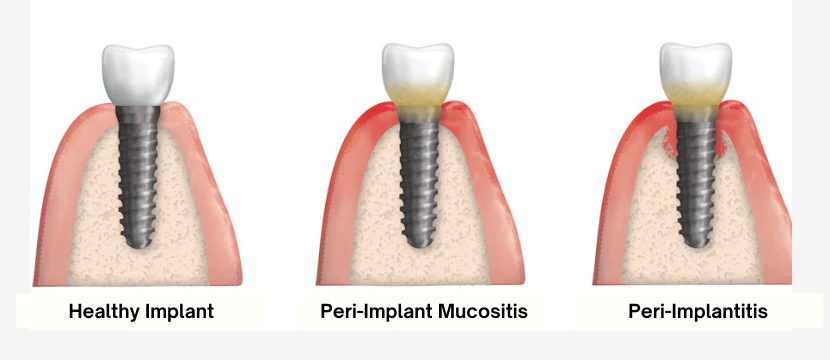
Infection Around a Dental Implant
Inflammation around a dental implant may begin as peri-implant mucositis, affecting the surrounding gums. If it progresses and causes supporting bone loss, it is known as peri-implantitis. Bleeding, swelling, pus, persistent discomfort or implant mobility should be assessed promptly. Early treatment may help control the infection and protect the surrounding bone.
Signs That a Dental Problem May Have Become Infected
- Persistent or throbbing toothache
- Swelling of the gum, cheek or jaw
- Pus or a pimple on the gum
- Pain while biting
- Fever or general weakness
- A persistent unpleasant taste
- Difficulty opening the mouth
- Tender lymph nodes
- Increasing tooth mobility
Conclusion
Dental problems are usually caused by an underlying infection in the mouth. Rather than just the presence of plaque or tartar. Recognizing whether a problem is due to an infection, rather than just the presence of plaque or tartar, is important because infections require different treatment procedures.
Dental problems should not be ignored when they are associated with pain, swelling, bleeding, pus, mouth sores, bad breath, white patches, or difficulty chewing. Some oral concerns may be caused by bacterial infections like cavities or gum disease, viral infections like cold sores, or fungal infections like thrush, and each condition may need a different treatment approach.
FAQs
1. What dental problems can turn into infections?
Dental problems such as untreated cavities, gum disease, periodontitis, mouth sores, poor oral hygiene, food-related irritation, and fungal conditions may turn into or be linked with infections. A dentist can identify the exact cause after examination.
2. Can cavities become infected?
Yes, untreated cavities can become infected if bacteria reach deeper layers of the tooth. This may lead to tooth pain, swelling, sensitivity, pus, or the need for root canal treatment or extraction in severe cases.
3. Can gum disease cause infection?
Yes, gum disease can be linked with bacterial infection. Gingivitis may cause red, swollen, or bleeding gums, while periodontitis can affect deeper gum tissues and bone support if not treated on time.
4. Are cold sores a dental infection?
Cold sores are usually caused by a viral infection, commonly linked with the herpes virus. They are different from bacterial dental infections and may need antiviral care instead of antibiotics.
5. What are fungal infections in the mouth?
Fungal infections in the mouth may include oral thrush or angular cheilitis. These are more common in people with weak immunity, very young or elderly patients, or patients with certain health conditions.
6. How can poor oral hygiene lead to infection?
Poor oral hygiene allows food particles, plaque, and bacteria to remain in the mouth for longer. This can increase the risk of cavities, gum disease, bad breath, gum irritation, and infection-related dental problems.
7. When should I visit a dentist for a possible infection?
You should visit a dentist if you have severe tooth pain, swelling, pus, bleeding gums, fever, bad breath, white patches, mouth sores that do not heal, difficulty chewing, or pain that keeps increasing. Early treatment can help prevent the infection from spreading.
Suggested Article –
Medical Disclaimer
This article is for patient education only. Dental treatment should be planned after clinical examination, medical history review, and X-rays or scans where required. Treatment suitability, cost, timeline, healing, and results vary from patient to patient.