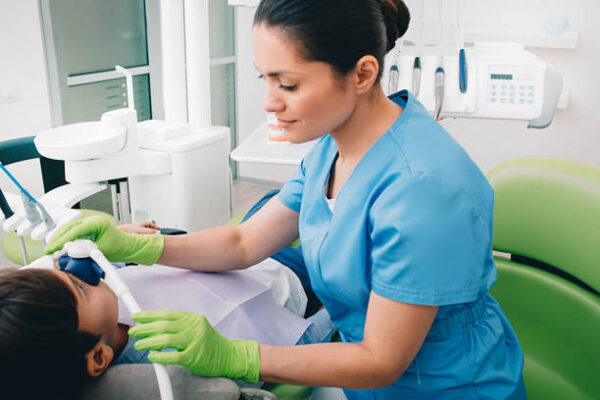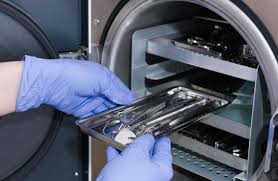
Although this is a common concern among patients, modern dental clinics follow strict infection control and instrument sterilisation protocols to ensure patient safety. Dental probes and other reusable instruments are thoroughly cleaned, disinfected, and sterilised after every patient using internationally accepted sterilisation procedures. While contaminated instruments could theoretically transmit infection if proper protocols were ignored, reputable dental practices follow rigorous standards that make the risk extremely low. Understanding how dental instruments are sterilised can help patients feel more confident during their dental visits.
Who Is This Article For?
- Patients concerned about dental safety
- Individuals undergoing routine dental examinations
- People wanting to understand infection control
- Patients with periodontal disease
- Anyone interested in modern dental sterilisation practices
Change your Dental probe after every patient
The first thing you can do to keep your probe clean is to make sure you only use a new probe every time you examine a patient. Using the same probe on multiple patients can lead to cross-contamination. You would never want to risk an infection in your patients, so it’s best if you clean your probe after every patient to prevent this from happening.
Use only disposable tips when examining a patient
The probe’s tip is what comes in direct contact with a patient’s mouth, so it’s important that this gets cleaned regularly. You can do this by using only disposable tips when examining a patient. This way, you don’t have to worry about cleaning and disinfecting a worn tip every single time. Disposable tips also come in different sizes, so you can always find the one that best fits your probe. This will prevent your patients from having to feel discomfort when you’re examining their teeth.
Keep your equipments including dental probe clean
It’s also important that you keep your dental equipment clean at all times. Make sure to keep your probe in a clean, dry place when you’re not using it. You can put it inside a probe cover or keep it in a probe box. You can also clean your probe with a damp cloth. If you have an autoclave, then you can also clean your probe there. You can also use an antibacterial spray or a solution for cleaning your probe. This will not only keep your probe clean but will also disinfect it.
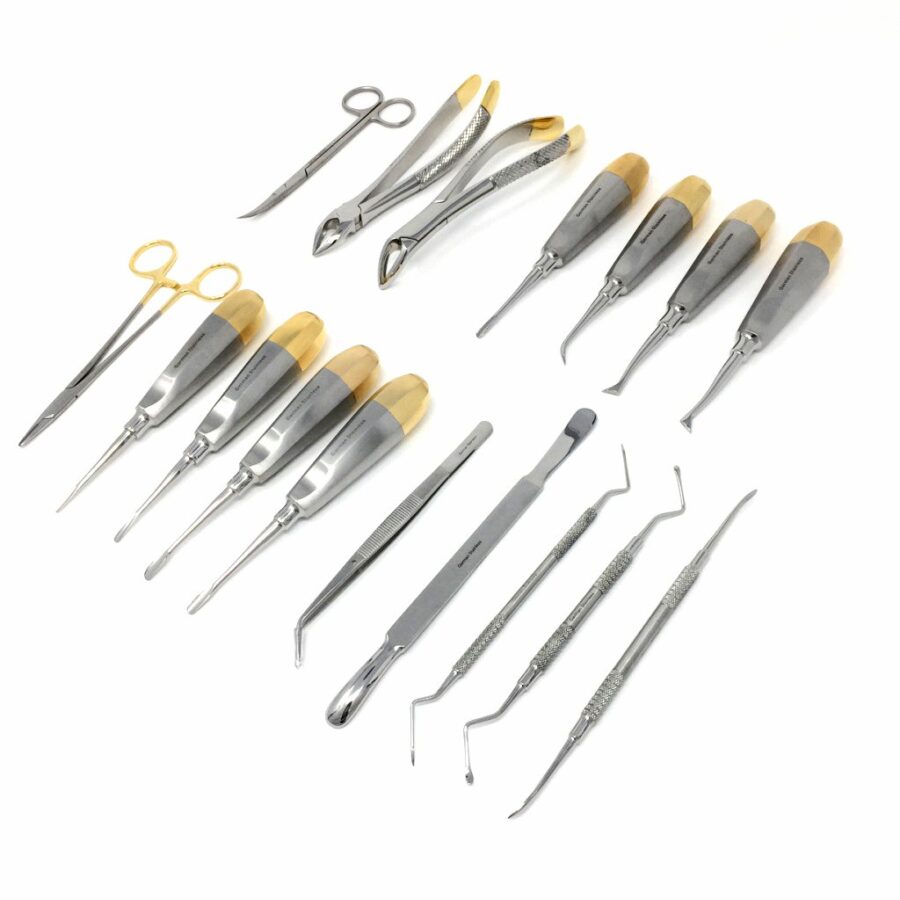
You can also use a UV sanitizer for your dental equipment. It uses ultraviolet light to kill bacteria and germs, which will ensure your dental equipment is clean and safe to use. This curbs any known or unknown infection.
Use a UV Sanitizer for your dental equipment
As we’ve mentioned above, using a UV sanitizer for your dental equipment is a great way to keep your probe clean. A UV sanitizer is an effective sterilizer that uses ultraviolet light (UV) to kill bacteria and germs. A UV sanitizer is a great tool to have in your dental practice because it can be used to sanitize almost all dental equipment, including tools and instruments, as well as medical supplies such as syringes and intraoral probes. You can also use it to clean keyboards and other surfaces in your office.
A UV sanitizer provides a quick, efficient, and effective way to sterilize dental equipment. You can use it daily to keep your equipment clean and free of germs and bacteria. UV sanitizers also come in a wide range of sizes, so you can choose one according to the size of your office.
Conclusion
Proper sterilisation of dental instruments is one of the most important aspects of modern dental care. Although a contaminated dental probe could theoretically increase the risk of infection, qualified dental clinics follow strict cleaning, disinfection, and sterilisation protocols that are designed to eliminate harmful microorganisms before instruments are reused. These evidence-based infection control measures help ensure that routine dental examinations and periodontal assessments are performed safely for every patient.
Patients should feel comfortable asking their dentist about infection control procedures if they have any concerns. Choosing a reputable dental clinic that follows recognised sterilisation standards, maintaining regular dental visits, and seeking early treatment for gum disease all contribute to safer dental care and better long-term oral health.
Frequently Asked Questions
Can a dirty dental probe cause an infection?
Yes, if a dental instrument is not properly sterilised, it could potentially transmit microorganisms. However, reputable dental clinics follow strict sterilisation protocols that make this risk extremely low.
How are dental probes sterilised?
Dental probes are cleaned, disinfected, packaged, and sterilised using medical-grade autoclaves and validated sterilisation procedures before being used for another patient.
Can periodontal probing cause bacteraemia?
Yes. Periodontal probing may cause temporary bacteraemia, particularly in patients with active gum disease. In most healthy individuals, this is short-lived and does not cause illness.
Are dental clinics required to sterilise instruments after every patient?
Yes. Dental clinics are expected to follow recognised infection prevention and sterilisation guidelines by cleaning and sterilising reusable instruments between every patient.
How can I know if a dental clinic follows proper sterilisation practices?
Choose a qualified dental clinic that follows recognised infection control standards, uses appropriate sterilisation equipment, maintains clean treatment areas, and is willing to answer questions about its infection prevention procedures.
Suggested Article –
Medical Disclaimer
This article is for patient education only. Dental treatment should be planned after clinical examination, medical history review, and X-rays or scans where required. Treatment suitability, cost, timeline, healing, and results vary from patient to patient.