Kids are prone to falling ill frequently. Regardless of their age, kids need constant attention and care from parents. Sometimes, it is necessary for kids to visit a dentist to prevent any dental complications in the future. It’s important to visit your children’s dentist every 3 months to make sure their teeth are free of dental cavities and pain. Learn should first visit a dentist, what a paediatric dentist for kids treats and how early preventive care helps protect milk and permanent teeth.
Who Is This Article For?
This article is for parents and caregivers of babies, toddlers, school-age children and teenagers who want guidance about the first dental visit and preventive dental care.
When Should a Child First Visit Paediatric Dentist?
A child should generally have their first dental visit within six months after the first tooth appears and no later than their first birthday. The purpose is not merely to look for cavities. The visit allows the dentist to assess tooth development, discuss brushing and fluoride, review feeding habits and guide parents about injury prevention.
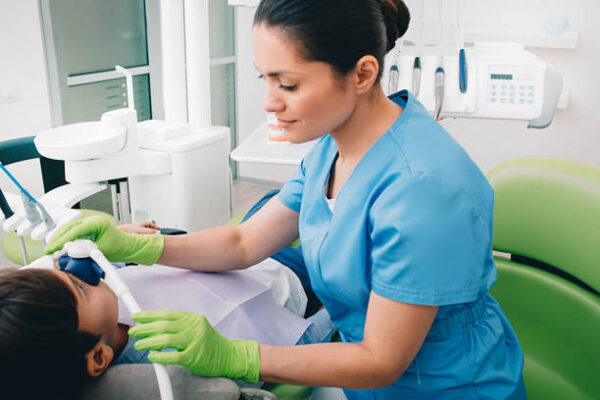
The current article’s universal advice for a visit every three months should be removed. Many children are reviewed approximately every six months, but the actual interval should be based on the child’s cavity risk, previous disease, oral hygiene and developmental needs. An early visit also helps the child become familiar with the dental clinic before pain or emergency treatment is needed.
What Does a Paediatric Dentist Treat?
Many general dentists also treat children. A paediatric dentist may be particularly helpful for very young children, extensive childhood decay, developmental conditions, significant anxiety or complex behavioural and medical requirements. Milk teeth should not be ignored because they support chewing, speech and space for the developing permanent teeth. Untreated decay can cause pain, infection and premature tooth loss.
- Preventive dental examinations
- Fluoride application
- Dental sealants
- Treatment of cavities in milk and permanent teeth
- Management of dental injuries
- Monitoring tooth eruption
- Advice about thumb sucking and pacifier use
- Assessment of crowded or developing teeth
- Management of anxious or uncooperative children
- Care for children with special healthcare needs
How Can Parents Prepare a Child for the Dentist?
Use calm and positive language when discussing the appointment. Avoid telling the child frightening stories or using phrases such as “the dentist will not hurt you,” because introducing the idea of pain may increase anxiety. Schedule the visit at a time when the child is normally rested. Bring details of medical conditions, allergies, medicines and previous dental experiences. Parents can also prepare by:
- Brushing the child’s teeth regularly before the appointment
- Avoiding sweetened bedtime bottles
- Limiting frequent sugary snacks
- Bringing any previous dental records
- Explaining that the dentist will count and check the teeth
- Allowing the dental team to use age-appropriate explanations
Kids are more prone to dental problems?
A lot of parents think that dental problems only affect adults. However, children are much more prone to dental issues than adults. This is because children have a very underdeveloped jaw, limited dexterity, and a shorter mouth. These factors make kids more prone to dental issues like cavities, gingivitis, and loose teeth. Kids who have a history of frequent infections, especially ear infections, also have teeth issues. If your child has a history of frequent infections, it might be because of the bacteria in their mouth.

High possibility of cavities due to a poor oral hygiene habit
Children don’t have a fully developed immune system, which means they are prone to infections. If your child’s oral hygiene is poor, it is likely that they will develop cavities.
If your child has braces, do visit the dentist twice a year for cleaning.
If your child has braces, they need to visit a dentist twice a year. The dentist will clean their teeth and the brackets of their braces.
Conclusion
It is important to take your kids to a dentist to prevent them from suffering from dental complications in the future. It is good to take your kids to a dentist when they are young because kids are more prone to dental issues due to their underdeveloped jaw, limited dexterity, and shorter mouth. Also, it is important to maintain a healthy oral hygiene for your child so that they don’t develop cavities or gingivitis.
Frequently Asked Questions
At what age should a child first visit the dentist?
The first visit should generally occur within six months of the first tooth appearing and no later than the child’s first birthday.
Can a general dentist treat children?
Yes. Many general dentists provide routine care for children. Referral to a paediatric dentist may be useful for very young children, complex decay, developmental conditions, special healthcare needs or substantial dental anxiety.
Why treat milk teeth when they eventually fall out?
Milk teeth help children chew, speak and maintain space for permanent teeth. Untreated cavities can cause pain, infection and premature loss of the tooth.
How frequently should children visit the dentist?
Many children are reviewed around every six months, but the interval should be personalised according to cavity risk, oral hygiene, previous treatment and development.
When should parents start brushing a child’s teeth?
Brushing should begin when the first tooth appears. A parent or caregiver should use an age-appropriate amount of fluoride toothpaste and supervise brushing.
Are dental X-rays safe for children?
Dental X-rays are recommended only when the expected diagnostic benefit justifies them. The dentist considers the child’s age, symptoms, cavity risk and clinical findings before advising an X-ray.
What should I do if my child breaks a tooth?
Rinse the mouth gently, preserve any tooth fragment and contact a dentist promptly. Apply a cold compress externally if swelling is present. A knocked-out permanent tooth requires immediate attention.
Should children with braces visit a dentist?
Yes. Orthodontic appointments do not replace routine dental care. Children with braces may require additional cleaning instruction, cavity monitoring and professional preventive care.
Suggested Article –
Medical Disclaimer
This article is for patient education only. Dental treatment should be planned after clinical examination, medical history review, and X-rays or scans where required. Treatment suitability, cost, timeline, healing, and results vary from patient to patient.