
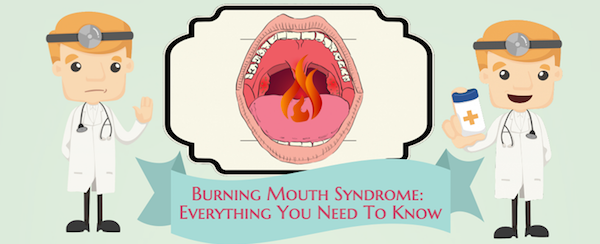
Radiation therapy is a common treatment for head and neck cancers, but it can sometimes lead to uncomfortable side effects. One such side effect is Burning Mouth Syndrome (BMS), a condition characterized by a persistent burning sensation in the mouth. For patients undergoing or recovering from radiation, managing BMS is essential to maintain oral health and improve overall quality of life. Burning mouth syndrome (BMS) is a rare condition that can flare up after cancer treatment. It’s the result of irritation of your taste buds, nerves, and other tissues in your mouth. This can make eating, drinking, chewing, and speaking very difficult and painful.
The disease often affects numerous aspects of their lives including their diet, sense of smell, speech, and everyday habits such as smoking or drinking alcohol. With so much to consider during every patient interaction, it can be easy to overlook small details as you go about your daily routine but these things are important especially when managing a case of burning mouth syndrome post-radiation treatment.
What is Burning Mouth Syndrome?
Burning mouth syndrome is believed to be caused by nerve damage or irritation. When this happens, it causes a burning sensation on the tongue, gums, roof of the mouth, and inside of your cheeks. It can also cause dry mouth and a feeling of something foreign in your mouth. When you have burning mouth syndrome, the nerves in your mouth are damaged and can’t send pain signals to your brain. This means you won’t be able to feel pain in your mouth like you normally would. Instead of normal pain, you’ll feel a burning sensation. People who smoke, drink alcohol, have diabetes, or are taking certain medications are more likely to develop burning mouth syndrome.
What is burning mouth after radiation?
Burning mouth after radiation refers to a burning, tingling, sore or irritated feeling in the tongue, palate, gums, lips or inner cheeks after head and neck cancer treatment. It may be related to dry mouth, nerve irritation, mucosal sensitivity, infection, nutrition deficiency or ongoing tissue healing. Although not every patient will experience it, radiation treatment is one of the most common culprits of burning mouth syndrome. The reason is that radiation treatments will destroy cells in the head and neck region of your body. Burning mouth syndrome is caused by the destruction of the nerves in the mouth. The radiation treatment will destroy the cells in the oral mucosa, which is the lining of the mouth. The nerves in the mouth are responsible for the sensations of pain and temperature in the mouth. Radiation can damage these nerves and cause burning mouth syndrome.
Managing BMS Post Radiation Treatment
If you are experiencing burning mouth syndrome, there are several steps you can take to help manage the symptoms. Firstly, make sure you are drinking plenty of water. This will help you to stay hydrated and avoid excessive dryness of the mouth and tongue. Once you have increased your fluid intake, it is recommended that you use a sodium bicarbonate mouthwash. This can help to get rid of the dryness and reduce the discomfort of the burning sensation. People who experience burning mouth syndrome should avoid eating spicy, salty, sour, and acidic foods. Doing so can irritate your mouth and increase the symptoms of discomfort. When eating, try to use a soft, bland diet. It may be best to avoid crunchy or hard foods because they can be painful when your mouth is already inflamed.
How to manage Mouth Sores after Radiation
If you are experiencing mouth sores post-radiation treatments, there are several steps you can take to manage them. Firstly, make sure you are consistently drinking water to avoid excessive dryness of the mouth and tongue. Once you have increased your fluid intake, you can use a sodium bicarbonate mouthwash to help get rid of the dryness and reduce the discomfort of the sores. Once the sores have healed, you can begin to eat a soft bland diet. Avoid eating spicy, salty, sour, and acidic foods as they can irritate your mouth and exacerbate the symptoms. If you experience mouth sores, try to avoid crunchy or hard foods because they can be painful when your mouth is already inflamed.
What is a Broken or Chipped Tooth?
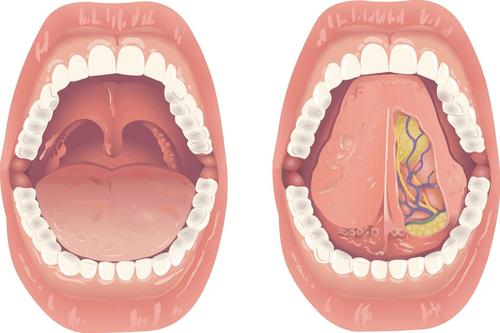
As an advanced practice nurse, it is important to be aware of the symptoms of burning mouth syndrome and how they differ from other oral issues like dry mouth, mouth sores, and oral pain. In order to appropriately identify the symptoms, it is important to understand the anatomy of your mouth. Areas of the mouth affected by burning mouth syndrome include:
- The tongue
- The roof of the mouth
- The gums
The inside of the cheeks If you notice any of these symptoms, it is important to let your doctor know. If you are experiencing any of these symptoms, there are several steps you can take to manage them. Firstly, make sure you are consistently drinking water to avoid excessive dryness of the mouth and tongue. Once you have increased your fluid intake, you can use a sodium bicarbonate mouthwash to help get rid of the dryness and reduce the discomfort of the symptoms. Once the symptoms have subsided, you can begin to eat a soft bland diet. Avoid eating spicy, salty, sour, and acidic foods as they can irritate your mouth and exacerbate the symptoms.
Why does radiation affect the mouth?
Radiation to the head and neck region can affect salivary glands, oral lining, taste, swallowing, teeth and jaw tissues. This can lead to dryness, ulcers, taste changes, burning sensation, difficulty eating and higher risk of dental problems.
What foods should be avoided?
During burning episodes, avoid spicy, acidic, very hot, salty, rough or hard foods because they may irritate the mouth. Softer, bland and moist foods are usually more comfortable. Patients should also avoid tobacco and alcohol-based mouthwash.
How is burning mouth managed?
Management may include hydration, saliva substitutes, prescribed rinses, antifungal treatment if infection is present, pain control, nutritional support, fluoride care and regular dental follow-up. Treatment should be personalised because the cause may differ from patient to patient.
Royal Dental Clinics approach
At Royal Dental Clinics, burning mouth after radiation is evaluated by checking oral tissues, saliva, prosthesis fit, fungal infection, ulcers, teeth, nutrition, medications and cancer treatment history. The aim is to reduce discomfort and protect long-term oral health.
Conclusion
Radiation treatment is a powerful treatment option for cancer patients, but it comes with some side effects. Burning mouth syndrome is one of the most common side effects of radiation treatment. Once you have increased your fluid intake, it is recommended that you use a sodium bicarbonate mouthwash. If you experience mouth sores, make sure you are consistently drinking water to avoid excessive dryness of the mouth and tongue. Once the sores have healed, you can begin to eat a soft bland diet. Avoid eating spicy, salty, sour, and acidic foods as they can irritate your mouth and exacerbate the symptoms. If you experience mouth sores, make sure you are consistently drinking water to avoid excessive dryness of the mouth and tongue. Once the sores have healed, you can begin to eat a soft bland diet. Avoid eating spicy, salty, sour, and acidic foods as they can irritate your mouth and exacerbate the symptoms.
FAQs
Is burning mouth common after radiation?
Some patients experience burning, dryness, soreness or taste changes after head and neck radiation.
What should I avoid if my mouth burns after radiation?
Avoid spicy, acidic, salty, very hot, rough and hard foods. Avoid tobacco and alcohol-based mouthwash.
Can dry mouth cause burning sensation?
Yes. Dry mouth can make tissues more sensitive and may increase burning, soreness, bad taste and difficulty swallowing.
Can fungal infection cause burning mouth?
Yes. Oral fungal infection can cause burning, soreness, white patches or altered taste and needs professional treatment.
When should I visit the dentist?
Visit if burning persists, eating becomes difficult, ulcers appear, dentures hurt, white patches develop, or pain worsens.
Medical Disclaimer
This article is for patient education only. Dental treatment should be planned after clinical examination, medical history review, and X-rays or scans where required. Treatment suitability, cost, timeline, healing, and results vary from patient to patient.