When choosing between dental implants and braces to correct your crooked or missing teeth, the choice can be challenging. Both these treatments are effective and can completely change your appearance and self-esteem, but they are not suitable for everyone. Each has its pros and cons, so it’s important that you understand the choice between the two, read more. To find out more about implants or braces, as well as which one is best for you at Dentist in Mumbai.
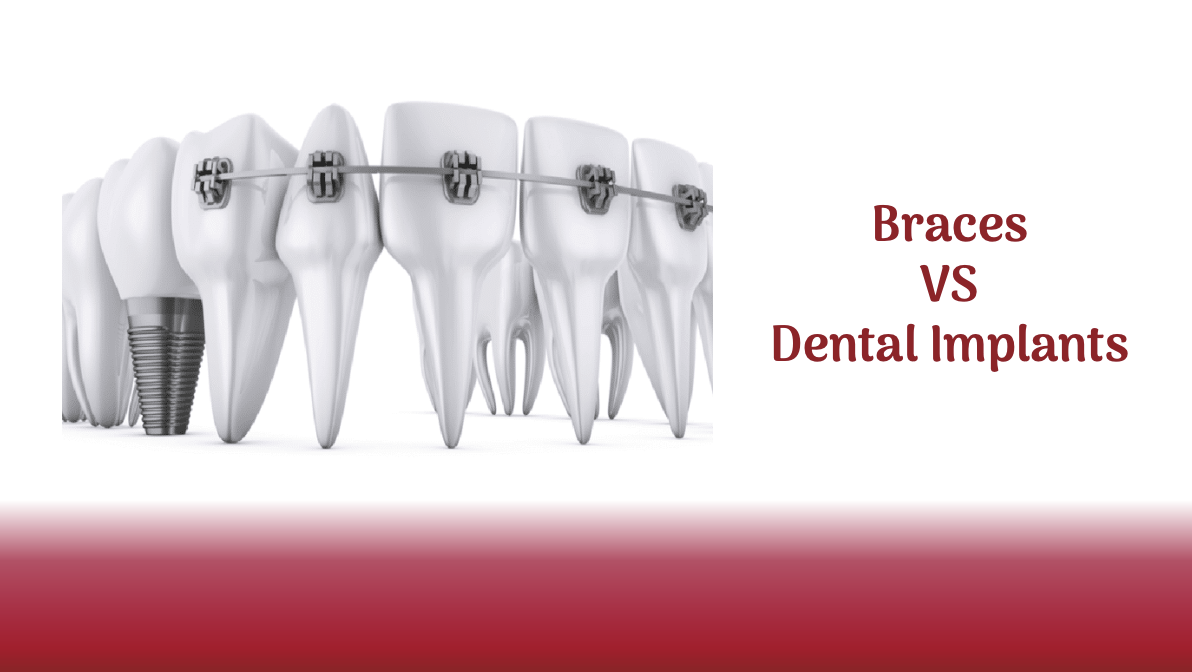
Dental Implants or Braces Which is Better is a common question for patients who are confused between replacing missing teeth and correcting teeth alignment. Dental implants are usually used to replace missing teeth, while braces help move natural teeth into better position and improve bite alignment.
Who is This Article For?
This blog is for patients who are confused between dental implants and braces while planning treatment for missing, crooked, misaligned, or irregular teeth. The blog helps patients compare both options, understand that implants are usually for missing teeth while braces are for alignment and bite correction, and decide why a proper dental consultation is important before choosing treatment.
What is a Dental Implant?
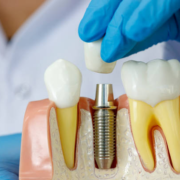
A dental implant is an artificial tooth root that is surgically placed into your jawbone. Once the implant is in place, it will fuse with your jawbone and will act as a root for an artificial tooth. There are many types, but the most common are the endosteal (inside the bone) and the subperiosteal (outside the bone). The type that is best suited for you will depend on your oral and general health, as well as your lifestyle.
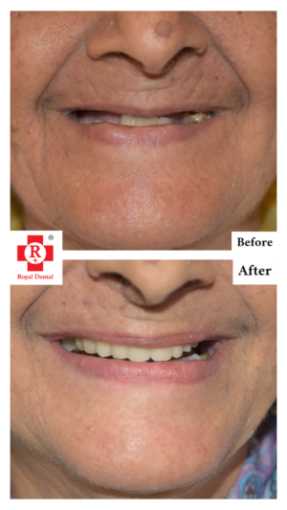
Advantages of Implants include
- They look and feel like natural teeth – no one will be able to tell that you have an implant.
- Dental Implants can last a lifetime if cared for properly.
- It allows for a natural chewing motion, which is not possible with dentures.
- Implants can help improve your confidence and self-esteem.
- There is no need for the removal of natural teeth – implants can be done at the same time as other dental treatments.
What are Braces?
Braces are devices used to correct a dental problem such as misalignment, overlap, or an irregular bite by applying consistent force to teeth in order to move them into the desired position. They are normally made of metal or a combination of metal and plastic.
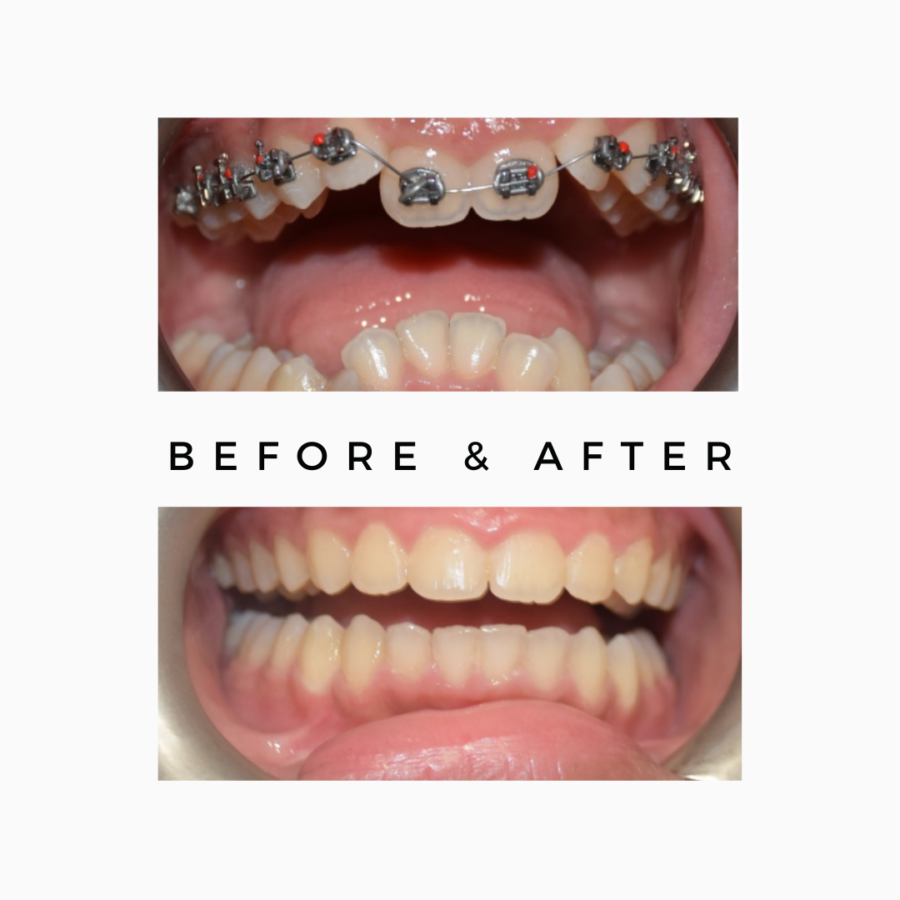
There are different types of braces, including:
- Clear – these are braces that are not visible when you smile.
- Metal Brackets – these are traditional braces made of metal or clear plastic brackets bonded to the teeth.
- Self-Ligating Brackets – these are braces that feature a spring mechanism that creates a seal between the bracket and the tooth, which makes them less visible.
- Braces will straighten your teeth within a few months. Braces are suitable for people of all ages and will be worn for around two years.
Dental Implants or Braces: Which is Better?
Both used to correct misaligned teeth, but there are a few key differences between the two. Dental screws are permanent fixtures that are surgically implanted into the jawbone and are an excellent option for people who want to replace one or more missing teeth. They can be used to replace one or more teeth that has been removed due to gum disease.
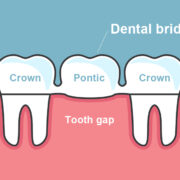
For example, if you have a tooth that’s decayed and infected, your dentist may recommend that it be extracted. After extraction, you will have a gap that will need to be filled. Implants are one of the best options for filling these gaps, as they look and feel like natural teeth.
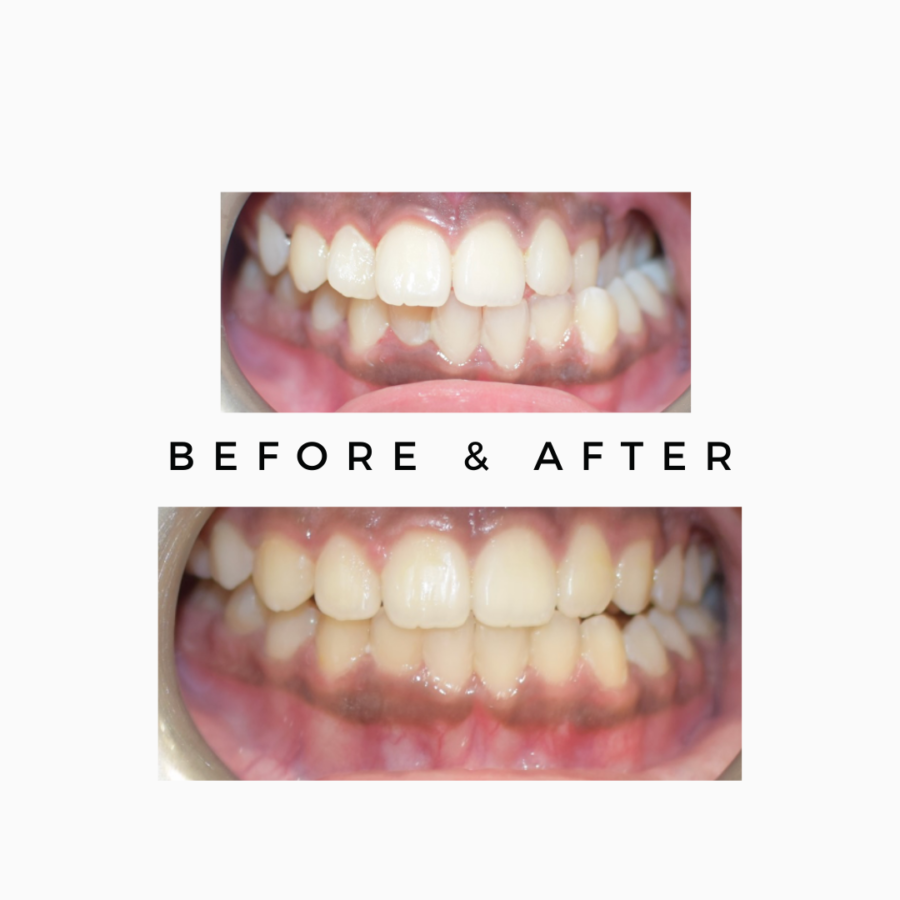
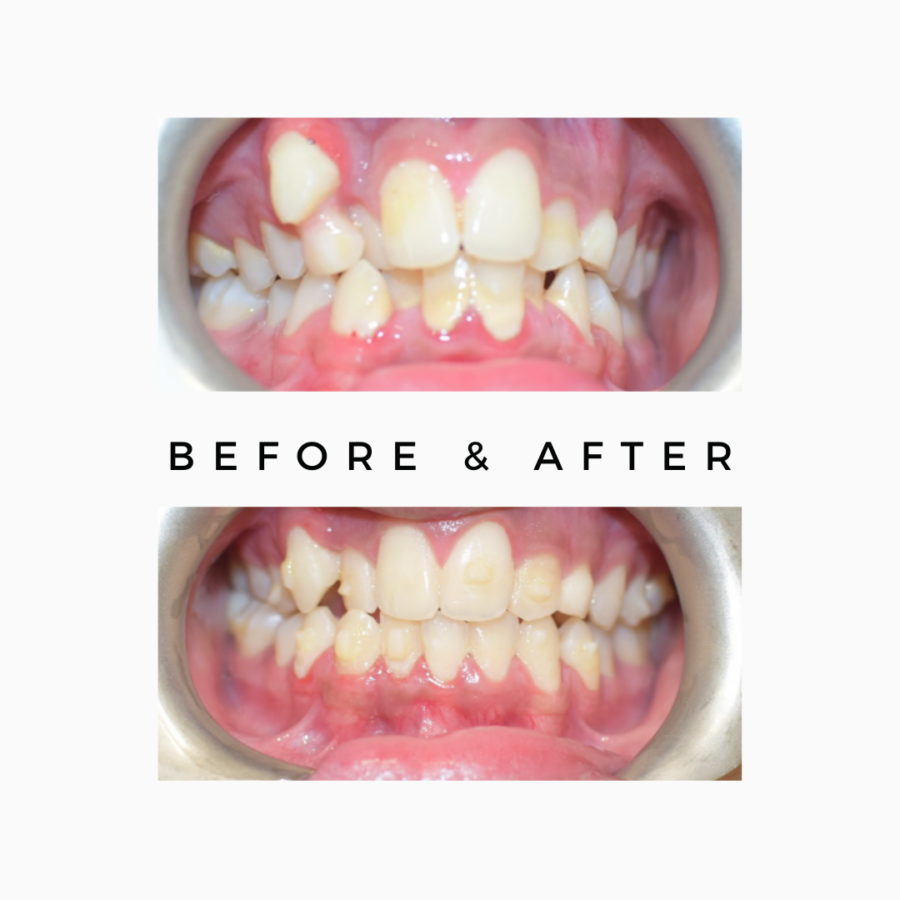
Braces, on the other hand, are removable devices that are bonded to the teeth. They are used for correcting minor dental issues such as misalignment, overlap, or an irregular bite. These issues, if left untreated, can lead to tooth decay and gum disease, so correcting them is important.
Pros of Having Implants
- Look and feel like natural teeth – no one will be able to tell that you have an implant.
- Implants can last a lifetime if cared for properly.
- Dental Implants allow for a natural chewing motion, which is not possible with dentures.
- It can help improve your confidence and self-esteem.
- There is no need for the removal of natural teeth – implants can be done at the same time as other dental treatments.
- It’s an ideal solution if you have lost one or more teeth due to gum disease.
- Teeth Implants are a good option if you have missing teeth due to an accident or tooth decay.
- It is a good option if you have lost teeth due to periodontal disease (gum disease).
- Implants can be used as a single tooth replacement or in combination with a few teeth.
Pros of Having Braces for Crooked Teeth
- They are less expensive than dental implants.
- You can control the timing of the treatment.
- This doesn’t require any surgery.
- Braces are removable, so you can take them off whenever you want.
- It require less extensive dental work.
- Braces require a shorter healing time compared to dental implants.
Conclusion
Dental implants and braces are two different dental treatments used to correct crooked teeth. Both are effective and can completely change your appearance and self-esteem, but they are not suitable for everyone. When choosing between dental implants vs braces, it’s important to understand the difference between the two and choose the one that’s right for you. Dental implants are a more permanent solution and are an ideal option for patients who have lost one or more teeth due to gum disease or an accident. Braces, on the other hand, are a more affordable option that requires a strict oral hygiene routine.
FAQs
1. Are dental implants better than braces?
Dental implants and braces are used for different dental concerns. Dental implants are usually advised when one or more teeth are missing, while braces are used to move natural teeth into better alignment. The better option depends on your dental condition.
2. Can braces fix missing teeth?
No, braces cannot replace missing teeth. Braces can close small gaps or align teeth in some cases, but if a tooth is missing, a dental implant, bridge, or other replacement option may be needed after clinical evaluation.
3. When should I choose dental implants?
Dental implants may be suitable when a tooth is missing due to decay, gum disease, trauma, or extraction. They help replace the missing tooth root and support an artificial tooth for better chewing, appearance, and comfort.
4. When should I choose braces?
Braces may be suitable if your natural teeth are crooked, crowded, overlapping, or causing bite problems. They gradually move teeth into a better position and can improve smile alignment and oral function.
5. Can I need both braces and dental implants?
Yes, some patients may need both treatments. In certain cases, braces are used first to create proper space or alignment, and dental implants are placed later to replace missing teeth.
6. How do I know whether I need implants or braces?
A dentist or orthodontist will check your teeth, gums, bite, bone support, missing tooth space, and X-rays or scans before suggesting treatment. The final decision depends on whether the main concern is missing teeth, misalignment, bite correction, or a combination of these problems.
Medical Disclaimer
This article is for patient education only. Dental treatment should be planned after clinical examination, medical history review, and X-rays or scans where required. Treatment suitability, cost, timeline, healing, and results vary from patient to patient.