Root canal treatment (RCT) is one of the most common dental procedures. It involves treating an infected or decayed pulp inside the tooth. With today’s modern techniques, pain-free protocols, and advanced equipment, RCTs are often completed in a single sitting—very different from the multiple appointments needed in the past. Despite these advances, some patients still talk about Root canals painful experience. The type and intensity of pain can vary depending on factors such as pre-existing infection, periodontal issues, or individual pain sensitivity.
This article highlights the main clinical and biological reasons that make some root canals painful, focusing on inflammation, periodontal involvement, and individual pain perception.
Pulpal Inflammation (Pulpitis)
The degree of pulp inflammation is perhaps the single most important factor making root canals painful.
- When a tooth is infected due to deep decay, trauma, or repeated dental procedures, the pulp responds with inflammation.
- Acute pulpitis produces severe pain because the pulp tissue becomes engorged with inflammatory mediators like prostaglandins, bradykinin, histamine, and substance P.
- These chemicals make pain receptors more sensitive, lowering the threshold for nerve stimulation—so even mild triggers may cause sharp pain.
Pain during RCT: Dentists rely on local anesthesia to remove inflamed or necrotic pulp. However, in irreversible pulpitis, anesthesia may not work fully because the acidic environment reduces its effectiveness, causing pain during the procedure.
Pain After RCT – Periapical Inflammation
After treatment, root canals pain often comes from inflammation in tissues around the tooth root. When pulp infection spreads beyond the root tip, it can cause apical periodontitis or a periapical abscess. The body’s inflammatory response increases pressure in the bone and leads to pain. If instruments or irrigants pass beyond the root tip during RCT, they may further irritate these tissues, leading to flare-ups or post-operative pain.

dental abscess
Inflammatory Mediators & Nerve Sensitisation
This explains why anaesthetic procedures are often less effective in inflamed teeth. Inflammation alters pain pathways by:
- Sensitising pain-carrying nerves.
- Interfering with ion channel function, resulting in exaggerated pain response.
Periodontal Involvement: Complicated Factor
Sometimes just root canal painful is not purely pulpal. Periodontal tissues may also be inflamed. Periodontal pain is usually dull and pressure-related, often worse when biting. Manipulation during root canal painful time can irritate the periodontal ligament. Over-instrumentation or overfilling may force debris or sealant into this space, causing mechanical trauma and post-operative pain.
Pain Threshold and Patient Sensitivity
All patients do not respond to pain alike. The pain threshold, or the lowest intensity at which a stimulus is felt as painful, is quite different from one person to another.
- Biological factors: Genetics and chronic pain history can alter pain perception.
- Psychological factors: Fear, anxiety, or previous painful dental experiences can amplify pain.
- Gender and hormonal influences: Research suggests women may be more pain-sensitive due to hormonal effects on inflammation and pain receptors.
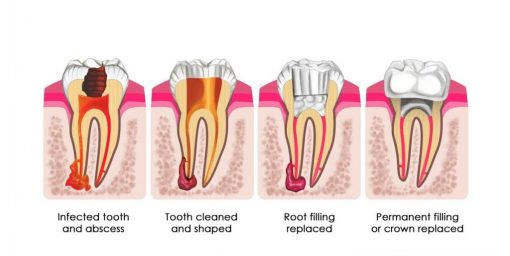
Root Canals painful
Procedural and Technical Considerations
- Anesthesia challenges: In inflamed teeth, anesthesia may fail due to acidic conditions.
- Instrumentation: Over-instrumentation irritates tissues beyond the apex, while under-instrumentation leaves infection behind.
- Irrigants: Sodium hypochlorite leakage can cause chemical burns and severe pain. Calcium hydroxide leakage may also irritate tissues.
Post-Operative Pain: A Multifactorial Problem
Patients may still feel pain even after a technically correct RCT due to:
- Persistent periapical inflammation.
- Occlusal trauma if the tooth is left high in the bite.
- Immune response to residual debris.
- Normal healing pain, which usually resolves within 2–5 days with NSAIDs or other painkillers.
Conclusion
Pain during or after root canal treatment results from a combination of biological, procedural, and psychological factors. While modern dentistry has made RCTs far more comfortable than in the past, individual variation in anatomy, infection, and pain tolerance means that some discomfort is still possible. Clear diagnosis, effective anesthesia, careful technique, and empathetic communication remain the best tools to minimize pain and build patient confidence in root canal therapy.
Contemporary dentistry reinforces precise diagnosis, efficient anesthesia, and minimally traumatic methods to minimise discomfort. However, despite optimal methods, inherent individual differences in anatomy and pain perception ensure that certain RCTs will always be painful. Good communication, a sympathetic well-informed response, is necessary to promote trust and patient comfort.

Ear Pain After Tooth Extraction
How Is Royal Dental Clinic Different?
At Royal Dental Clinic, we understand that the biggest fear patients have about root canals is pain. That’s why we’ve built our entire protocol around comfort, speed, and precision. Here’s how we stand apart:
Same-Day Root Canal & Crown
Unlike the traditional approach that takes multiple visits, our advanced techniques and in-house digital lab allow most root canal treatments to be completed along with the final crown in a single sitting. This saves patients from repeated injections, multiple appointments, and prolonged discomfort.
Advanced Anaesthesia Protocols
We use specialized anesthesia techniques and equipment designed to work even in inflamed conditions where routine injections may fail. For anxious patients or those with low pain thresholds, we also provide conscious sedation options for a stress-free experience.

Root Canals Painful
State-of-the-Art Equipment & Irrigation Systems
We employ new and rotary instruments and modern irrigation systems that minimize tissue damage. Our protocols ensure thorough disinfection while avoiding extrusion of chemicals beyond the root tip—one of the leading causes of post-treatment pain elsewhere.
SAPTeeth™ Shock-Absorbable Prosthetics
Royal is among the very few clinics globally to provide SAPTeeth™ prosthetics immediately after RCT. These advanced polymer crowns absorb nearly 90% of biting forces, protecting both the tooth and surrounding bone, and drastically reducing post-operative sensitivity compared to traditional zirconia or ceramic caps.
Holistic Pain Management
Every patient receives a customized post-treatment plan, including medication, occlusion adjustments, and bite balancing if needed. We also monitor healing closely, ensuring discomfort is minimal and short-lived.
Patient-First Philosophy
Finally, what truly sets Royal apart is our patient-centric approach. From personalized waiting rooms to one-on-one consultation time, we make sure every patient feels heard, informed, and cared for—not just treated.