TMJ Disorders (Temporomandibular Joint Disorders) refer to a group of conditions affecting the jaw joint and surrounding muscles that control jaw movement. Dr Chirag Chamria at Royal Dental Clinics, specialises in the treatment and diagnosis of TMJ disorders leading to pain and trauma.
What is the TMJ?
The temporomandibular joint connects your jawbone (mandible) to your skull (temporal bone) in front of each ear. It allows you to open and close your mouth, chew, speak, and yawn.
Common TMJ Disorders
- Myofascial Pain: Most common form; involves discomfort or pain in the muscles controlling the jaw.
- Internal Derangement: Displacement of the joint disc or injury to the condyle.
- Arthritis: Degenerative/inflammatory joint diseases affecting the TMJ.
Symptoms
- Jaw pain or tenderness
- Clicking, popping, or grating sounds in the jaw
- Limited or locked jaw movement
- Ear pain or pressure
- Headaches or neck pain
- Difficulty chewing
You see, the problem is not just the pain—it’s the way healthcare has taught us to treat body parts in isolation. But the jaw doesn’t live in isolation.

orthodontists orthognathic surgery | Dr Chirag Chamria
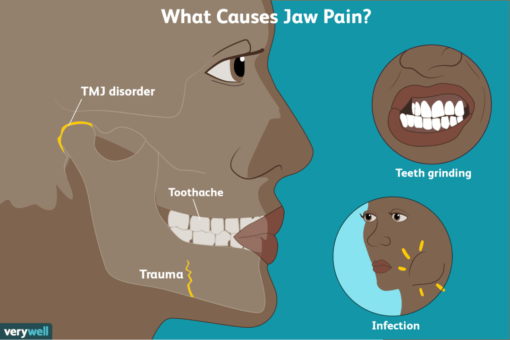
Causes
- Jaw injury or trauma
- Arthritis (e.g., osteoarthritis, rheumatoid arthritis)
- Teeth grinding or clenching (bruxism)
- Poor posture
- Stress (leading to muscle tension or clenching)
- Misalignment of teeth or jaw
Diagnosis
- Clinical exam (palpation, range of motion)
- Dental X-rays
- MRI or CT scan (for detailed joint structure)
- Bite analysis
Treatment Options
Non-Surgical:
- Medications (pain relievers, muscle relaxants, anti-inflammatories)
- Jaw exercises or physical therapy
- Occlusal splints/night guards
- Stress management (biofeedback, counselling)
- Hot/cold compresses