

Understanding the underlying health problems and causes for scalloped tongue, is characterised by indentations around the borders. This seemingly benign ailment is frequently indicative of a more serious issue, such as an enlarged tongue or breathing issues connected to sleep. We’ll examine the underlying causes of this unusual phenomenon in this blog post, along with some possible remedies. Come along on this adventure with us as we solve the enigma of the scalloped tongue, navigating the complications in a clear and conversational manner. Come with me as we deconstruct the scalloped tongue.
Who is this article for?
This article is for patients who notice wavy edges, teeth marks, indentations, or scalloping on the sides of the tongue. It is especially useful for people with tongue swelling, teeth grinding, clenching, mouth breathing, sleep issues, stress, jaw pain, or suspected vitamin deficiency. A scalloped tongue is often harmless, but it can sometimes point toward an underlying habit or health concern.
What is Scalloped Tongue?
The condition known as scalloped tongue, sometimes called crenated or pie crust tongue, is typified by scallop-shaped indentations on the tongue’s lateral borders. Thyroid issues, airway blockage, and tooth grinding (bruxism) are common underlying causes of this unusual appearance. In order to manage and treat it effectively, it is imperative to determine the underlying reason.
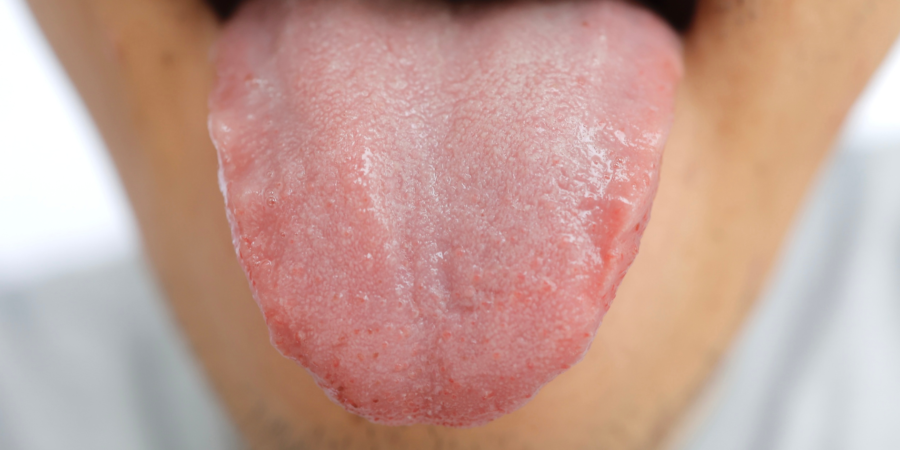
Scalloped tongue usually occurs when the tongue presses against the teeth for a long time. This may happen due to tongue swelling, clenching, bruxism, tongue thrusting, small jaw space, sleep-related breathing problems, or oral habits. Cleveland Clinic notes that scalloped tongue is usually harmless but may signal an underlying condition such as anemia, breathing problems, chronic inflammation, fatigue, jaw pain, or tooth and gum issues.
What Causes Scalloped Tongue?
Bruxism
There are more effects of bruxism than only worn-out enamel when it comes to teeth grinding or clenching. It turns out that the development of a disease can be significantly influenced. Teeth grinding can cause tongue indentations due to the continuous pressure applied, which gives the teeth their distinctive scalloped look.
Airway Obstruction
The development of a scalloped tongue may also be influenced by your breathing pattern. Sleep apnea and other airway obstruction-causing conditions can alter the position of the tongue as you sleep. The tongue’s edges may then get indented as a result of this changed location.
Thyroid Scalloped Tongue
The thyroid is a little but powerful gland that affects many different aspects of your body, including how your tongue looks. The development of a scalloped tongue may be attributed to thyroid conditions, including hypothyroidism. Comprehending this correlation is essential for both identifying thyroid problems and managing the correlated oral symptoms.
Symptoms of Scalloped Tongue?
There is no single treatment for scalloped tongue. If it is due to clenching or grinding, a night guard or bite evaluation may help. If it is linked with mouth breathing or sleep symptoms, airway evaluation may be needed. If there is burning, swelling, fatigue, or other symptoms, medical evaluation may be advised. The goal is to treat the cause, not only the tongue marks.
Dr. Chirag Chamria’s Diagnostic Expertise

Getting expert advice is essential to the diagnostic process. With his proficiency in diagnosis, Dr. Chirag Chamria is an invaluable asset in assessing and deciphering the visual indications. The skilled eye of a dentist can reveal important information about the nature and possible causes of the scalloped tongue disease.
How tongue thrusting affects teeth?
When the tongue repeatedly pushes against the front teeth, it may contribute to open bite, spacing, protrusion, altered swallowing pattern, or relapse after braces. The issue is not only tooth position; it may also involve tongue posture, lip seal, breathing pattern, speech, and muscle coordination. Treatment should identify the cause before choosing exercises, appliances, aligners, braces, or therapy.
How tongue thrusting is treated?
Treatment may include myofunctional therapy, speech therapy, orthodontic correction, habit-breaking appliances, breathing evaluation, or tongue posture training. Myofunctional therapy trains muscles of the mouth and face to support eating, breathing, swallowing and oral function; research also describes it as an adjunct to speech therapy and orthodontic correction in tongue-thrust cases.
Treatment Strategies for Scalloped Tongue
Dental Interventions
In addition to being frequently linked to tooth straightening, braces and aligners can be quite helpful in treating scalloped tongues. In order to reduce the risk of scalloping, Dr. Chamria uses orthodontic procedures to enhance tongue position and rectify misalignments.
Dr. Chirag Chamria utilizes customized dental procedures in addition to traditional orthodontics. These could consist of bite corrections, tongue exercises, or other cutting-edge methods intended to deal with the underlying causes of the scalloped tongue.
Airway Management Techniques
When a person’s scalloped tongue is associated with airway blockage, Dr. Chamria works on improving breathing methods. This could entail breathing exercises, modifying one’s lifestyle, or working in tandem with sleep medicine specialists to treat disorders such as sleep apnea.
Taking a cooperative, multidisciplinary approach, Dr. Chamria acknowledges the complex nature of it. A thorough approach to treating issues connected to the airways is ensured by collaborating with other medical specialists, such as respiratory therapists or sleep specialists.
Thyroid Management
Dr. Chamria incorporates thyroid management techniques into the therapy regimen when thyroid dysfunction is a contributing factor to a scalloped tongue. To ensure hormonal balance and treat the oral symptoms of thyroid diseases, this may entail working with endocrinologists.
Integrative care is recommended by Dr. Chamria when thyroid problems are a significant contributing factor. This method aims to maximize overall health and tongue well-being by combining conventional dental therapies with thyroid-specific treatments in a synergistic manner.
Frequently Asked Questions
Does a sloping tongue go away on its own?
In contrast to popular perception, it rarely goes away on its own. Dr. Chamria stresses the significance of busting this misconception and draws attention to the fact that the illness frequently calls for focused interventions. Through comprehending the fundamental reasons and obtaining expert advice, people can proactively move toward efficient therapy.
Dr. Chamria emphasizes how important it is to speak with a dentist when managing a scalloped tongue. Even if the illness might not go away on its own, results can be achieved with early detection and specialized care. Expert analysis aids in identifying the underlying causes and creating a customised oral health road map.
Scalloped Tongue Treatment: What to Expect
Knowing exactly what to anticipate before beginning therapy for scalloped tongue is essential. Realistic expectations are guided by Dr. Chamria, who emphasizes that individual factors may cause results to vary. It is important to understand that treating it requires a multifaceted strategy that takes into account the underlying reasons and adjusts therapies accordingly.
Dr. Chamria presents patient success stories to give an idea of possible results. These actual cases demonstrate the beneficial effects of individualized treatment plans. Testimonials from patients not only give hope but also shed light on the various routes people might follow to get over scalloped tongues.
Conclusion
In conclusion, knowing the causes and remedies of scalloped tongue can empower your quest to tongue health. Every component, from thyroid problems to bruxism, requires individualized treatment. As part of his dedication to your dental health, Dr. Chirag Chamria uses customized therapies, such as cooperative methods and orthodontic solutions. Keep in mind that a scalloped tongue does not go away on its own; consulting a specialist is essential. Set reasonable goals, take inspiration from others who have achieved success, and start along the road to a healthier, smoother tongue. In order to make sure your oral landscape reflects the robust health you deserve, Dr. Chamria is prepared to offer you guidance.
All rights reserved by Royal Dental Implants Pvt Ltd., issued in public interest