
Most people check their teeth and gums when brushing, but how often do you pay attention to your tongue? Surprisingly, your tongue can reveal a lot about your oral—and even overall—health. Changes in color, texture, or coating could be signs of anything from dehydration and vitamin deficiencies to oral infections or poor hygiene. In this article, we’ll explore what your tongue might be trying to tell you and when it’s time to see a dental professional.
Why the Tongue Matters in Oral Health
Your tongue isn’t just important for taste and speech—it’s also a powerful health indicator. A healthy tongue should be pink, moist, and covered with small nodules (papillae). When something’s off, it can signal underlying issues affecting your mouth or body.
Role of the Tongue in Oral Health
Your tongue is not just a muscular organ that aids in taste and speech; it also acts as a mirror to your overall oral health. The tongue’s appearance can reveal valuable information about your oral hygiene, diet, and potential underlying health conditions.
One of the primary roles of the tongue is to help remove food particles and bacteria from the mouth. Its rough surface, covered in tiny bumps called papillae, aids in this process. However, when the tongue is not properly cleaned, a coating can develop, which may indicate poor oral hygiene or an underlying health issue.
The color, texture, and moisture of your tongue can also provide clues about your oral health. A healthy tongue should have a pinkish colour, be moist, and have a slightly rough texture. Any deviations from these characteristics may indicate an underlying problem.
Connection Between Tongue and Overall Health
Maintaining good oral health is not just about having a bright smile; it is also crucial for your overall well-being. Research has shown that poor oral health is linked to various systemic diseases, including heart disease, diabetes, and respiratory infections. Your mouth acts as a gateway to your body, and any oral health issues can potentially affect other parts of your body.
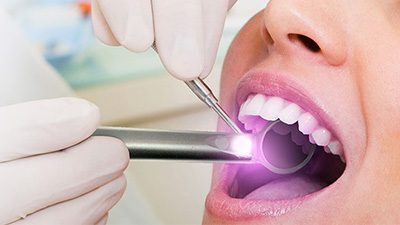
The tongue plays a vital role in oral health as it helps with chewing, swallowing, and speaking. It is also home to millions of bacteria, some of which are beneficial, while others can cause oral diseases. By paying attention to the condition of your tongue, you can identify potential issues and take proactive measures to maintain good oral health.
Understanding the significance of your tongue’s appearance and the indicators it holds can empower you to make informed decisions regarding your oral hygiene routine and seek professional help when necessary. Let’s explore the common conditions and symptoms that can be identified by examining your tongue.
Common Tongue Conditions and Implications on Health
- White Coating: A white coating on the tongue can be a sign of oral thrush, a fungal infection caused by an overgrowth of Candida. It may also indicate poor oral hygiene or a weakened immune system.
- Red Tongue: A bright red tongue can be a sign of a vitamin deficiency, particularly vitamin B12 or folic acid. It may also indicate a condition called glossitis, which causes the tongue to swell and change color.
- Black Hairy Tongue: Despite its alarming name, black hairy tongue is a harmless condition that occurs when the papillae on the tongue grow longer and trap bacteria, food, and other debris. It can be caused by poor oral hygiene, smoking, or certain medications.
- Sore or Bumpy Tongue: If you notice sores, bumps, or ulcers on your tongue, it may be a sign of various conditions, including canker sores, oral herpes, or oral cancer. These should be evaluated by a dental professional to determine the underlying cause and appropriate treatment.
Interpretation of Tongue Health?
Interpreting the appearance of your tongue requires a keen eye and an understanding of the various factors that can influence its appearance. Here are some key aspects to consider when assessing your tongue’s appearance:
Color: Pay attention to any changes in color, such as white, red, or black patches. These can indicate underlying health issues or poor oral hygiene.
Texture: A healthy tongue should have a slightly rough texture due to the presence of tiny bumps called papillae. If your tongue appears excessively smooth or bumpy, it may be a sign of an underlying condition.

Coating: While a thin, white coating is normal, a thick or discolored coating can indicate an imbalance in oral bacteria or an underlying infection.
Moisture: Your tongue should have a moist appearance. Dryness may be a sign of dehydration or an underlying health condition.
Indicators of your Tongue reveal about your Oral Health
Halitosis (Bad Breath): Chronic bad breath can be a sign of poor oral hygiene, an oral infection, or an underlying health condition such as gum disease or dry mouth. Your tongue, especially the back portion, can harbor bacteria that contribute to bad breath.
Oral Cancer: While not exclusive to the tongue, oral cancer can manifest as sores, lumps, or patches anywhere in the oral cavity, including the tongue. Regularly examining your tongue can help detect early signs of oral cancer, leading to timely intervention and improved outcomes.
Geographic Tongue: This harmless condition causes irregular, smooth patches on the tongue’s surface, giving it a map-like appearance. While the exact cause is unknown, it may be related to genetics, stress, or certain foods. Regularly monitoring your tongue can help identify any changes in the condition of your geographic tongue.
Dr. Chamria’s Expertise in Oral Health
Dr. Chirag Chamria is a renowned expert in dentistry with a wealth of experience in oral health and tongue examination. As a passionate advocate for preventive care, Dr. Chamria emphasizes the importance of regular oral health check-ups and patient education.
With his extensive knowledge and expertise, Dr. Chamria has helped countless individuals improve their oral health and maintain healthy tongues. His commitment to staying updated with the latest advancements in dentistry ensures that his patients receive the highest quality of care. By leveraging Dr. Chamria’s expertise and guidance, you can gain a deeper understanding of your tongue’s indicators and take proactive measures to improve your oral health.
Tips for Maintaining a Healthy Tongue and Oral Hygiene
Brush Your Tongue: Gently brush your tongue using a tongue scraper or your toothbrush after brushing your teeth. This helps remove any bacteria or debris that may have accumulated on the surface of your tongue.
Stay Hydrated: Maintaining oral moisture and preventing tongue dryness requires drinking enough water daily.
Follow a Balanced Diet: A nutritious diet rich in fruits, vegetables, and whole grains provides essential vitamins and minerals that contribute to good oral health. Avoid excessive consumption of sugary and acidic foods, as they can contribute to tooth decay and tongue issues.

Avoid Smoking and Excessive Alcohol Consumption: Smoking and heavy alcohol use may cause black hairy tongue and oral cancer. Quitting smoking and moderating alcohol intake can significantly improve your oral health.
Regular Dental Check-ups: Visit your dentist regularly for check-ups and professional cleanings. Dental professionals can assess the condition of your tongue and provide personalized guidance to maintain good oral health.
Seek Professional Help for Tongue-related Concerns
While regular self-examination of your tongue is essential, it is equally important to seek professional help for any tongue-related concerns. If you notice persistent changes in the appearance, texture, or discomfort associated with your tongue, it is recommended to consult a dental professional.
Dental professionals have the expertise and tools to accurately diagnose and treat tongue conditions. They can conduct a comprehensive examination, ask relevant questions about your medical history and lifestyle, and provide appropriate treatment or refer you to a specialist if necessary.
Remember, early detection and intervention are key to managing tongue-related concerns effectively. By seeking professional help, you can receive timely treatment and guidance tailored to your specific needs.
Conclusion
In conclusion, your tongue holds surprising indicators about your oral health that can provide valuable insights into your overall well-being. By paying attention to the signs your tongue displays, such as color, texture, and coating, you can identify potential oral health issues and take proactive measures to address them. Maintaining a healthy tongue and preventing common tongue conditions requires consistent oral hygiene practices, including brushing your tongue, staying hydrated, following a balanced diet, and avoiding smoking and excessive alcohol consumption. Regular dental check-ups are crucial for assessing the condition of your tongue and receiving professional guidance tailored to your specific needs. Dr. Chirag Chamria’s expertise in oral health and tongue examination can further empower you to understand the hidden secrets your tongue may hold and take control of your oral well-being.
© All rights reserved by Royal Dental Implants Pvt Ltd
Issued in public interest