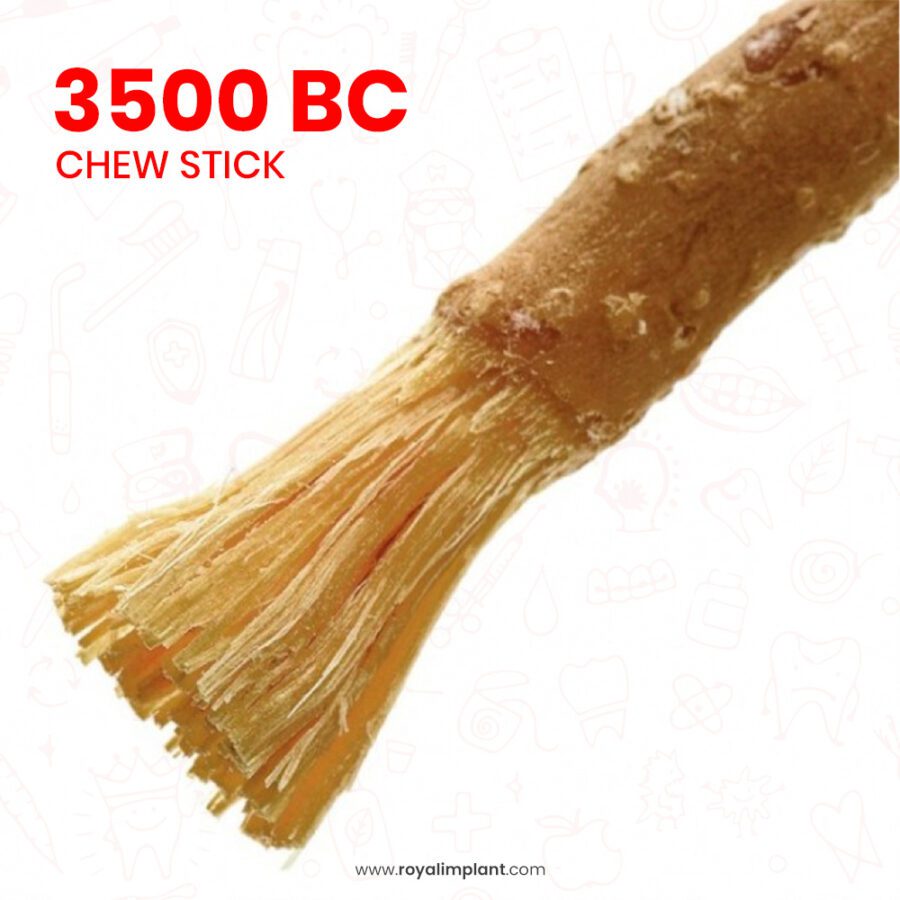
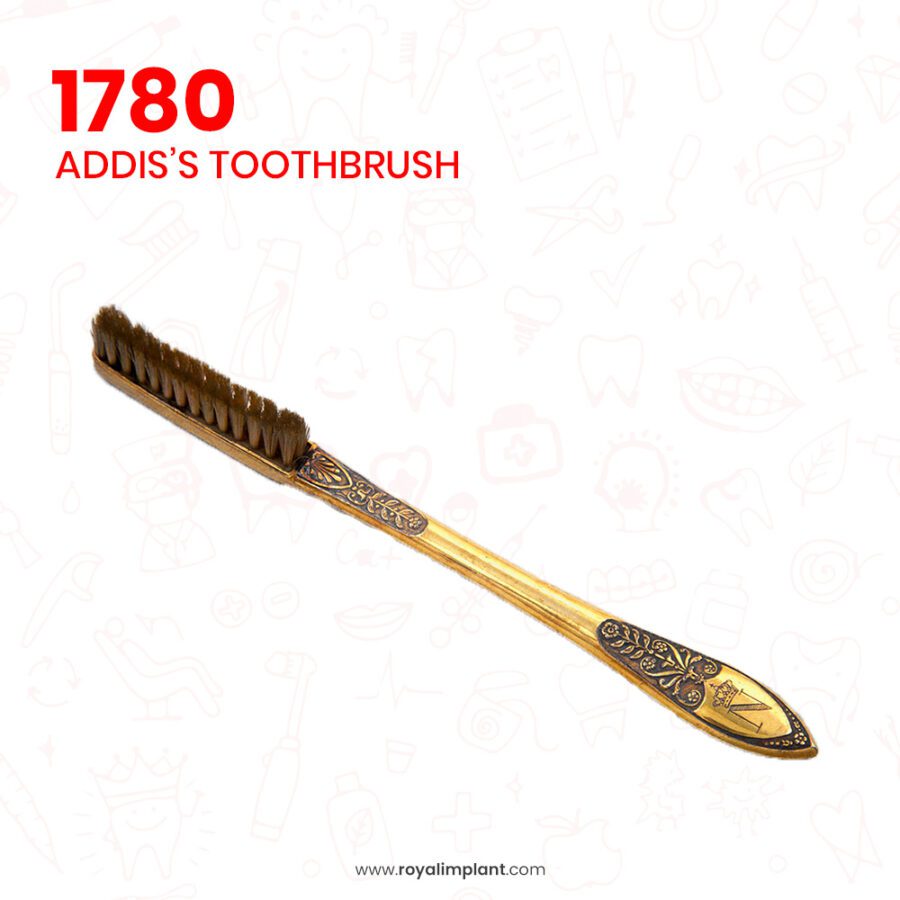
Toothbrush has evolved because whereas over the years from the twigs and now to electronic toothbrush available in the market.These bristles today most commonly made up of nylon (synthetic). Effective plaque control should be the main aim when determining the type of toothbrush. Soft bristles toothbrush because recommended in children to reduce the chances of gingival tissue trauma. Soft toothbrush also recommended after dental surgery, those having sensitive teeth, carious teeth.
Toothbrush comes in different sizes, shapes, length and therefore hardness. According to American Dental Association, various diameter of bristles available are:
- Soft:0.2 mm diameter
- Medium: 0.3 mm diameter
- Hard: 0.4 mm diameter
Who is this article for?
This article is for patients who are confused between hard, medium, soft, and electric toothbrushes and want to choose the safest option for daily cleaning. It is especially useful for children, senior citizens, patients with sensitive teeth, gum recession, bleeding gums, braces, crowns, bridges, implants, veneers, or recent dental treatment. The goal is to help patients understand that effective cleaning depends more on correct technique, gentle pressure, and regular brushing than on using a hard toothbrush.
Difference between Hard or Soft Toothbrush?
Toothbrush has evolved because whereas over the years from the twigs and now to electronic toothbrush available in the market. These bristles today most commonly made up of nylon (synthetic). Effective plaque control should be the main aim when determining the type of toothbrush. Soft bristles toothbrush because recommended in children to reduce the chances of gingival tissue trauma. Soft toothbrush also recommended after dental surgery, those having sensitive teeth, carious teeth.
Hard Bristles Toothbrush
Hard bristle toothbrush are more efficient in removing plaque than soft bristles toothbrush as they are stiffer and do not bend and exert more pressure which cause wear of tooth enamel and injury to the gums. It causes abrasion, erosion like tooth defects which in turn will cause therefore sensitivity of the tooth. They do not extend easily to difficult areas like the inter proximal surfaces. These may not be recommended in patients already having abrasion, erosions, sensitive teeth, carious teeth, old age patients. Soft to medium bristle toothbrushes preferred according to specific oral care needs. Toothbrush should be changed every 6 months to avoid fraying away off the bristles.
Why soft bristles are usually the safer choice?
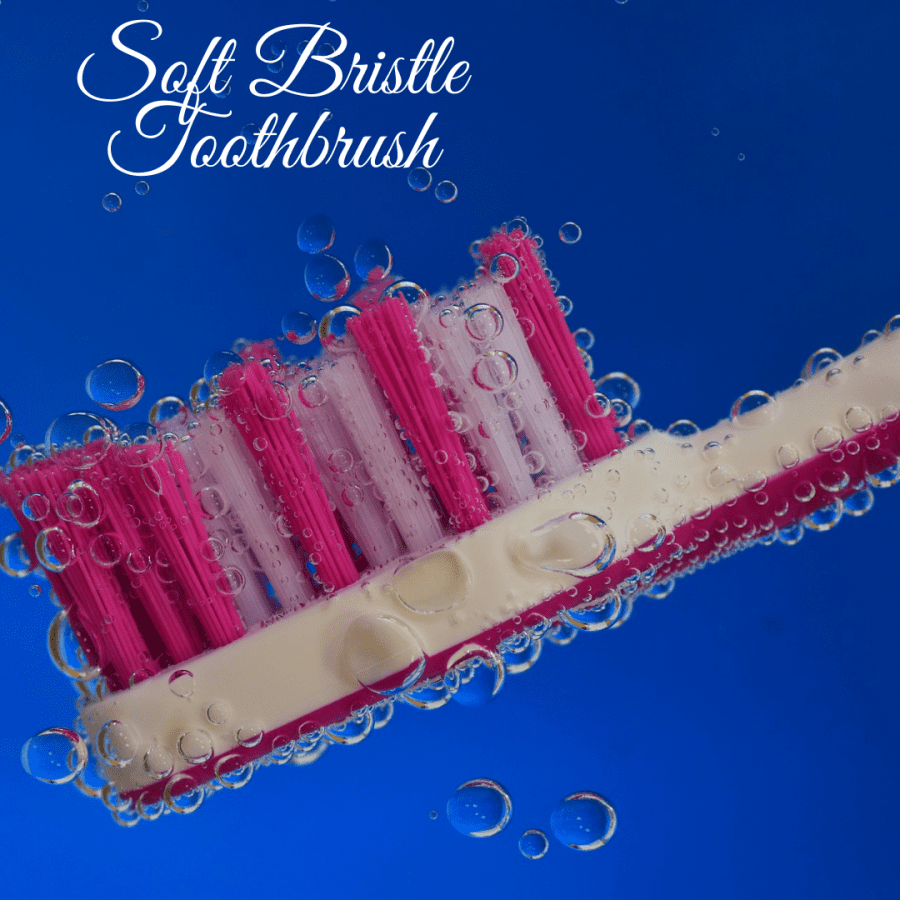
For most patients, a soft-bristled toothbrush is the safer daily choice because it can clean plaque without putting unnecessary pressure on the gums and enamel. Hard bristles may feel like they clean better, but they can contribute to gum injury, enamel wear, abrasion, and sensitivity when used aggressively. The ADA recommends brushing with a soft-bristled toothbrush and gentle pressure to reduce the risk of gum injury.
Brushing harder does not mean brushing better
Many patients brush forcefully because they feel their teeth will become cleaner, but excess pressure can damage the gums and tooth surface over time. A better habit is to use small, gentle circular or short strokes and spend enough time on all tooth surfaces. If the toothbrush bristles become flattened or spread out quickly, it may be a sign that the patient is brushing too hard. The aim is plaque removal, not scrubbing the teeth like a hard surface.
Which toothbrush is better for crowns, implants, braces, veneers?
Patients with crowns, bridges, implants, braces, or veneers should usually avoid hard bristles because they can irritate gums and make cleaning uncomfortable. A soft or extra-soft brush, along with interdental brushes, floss threaders, water flossers, or special orthodontic brushes where required, can clean more safely around dental work. The toothbrush should be small enough to reach the back teeth and gentle enough to use around the gumline without causing bleeding or recession.
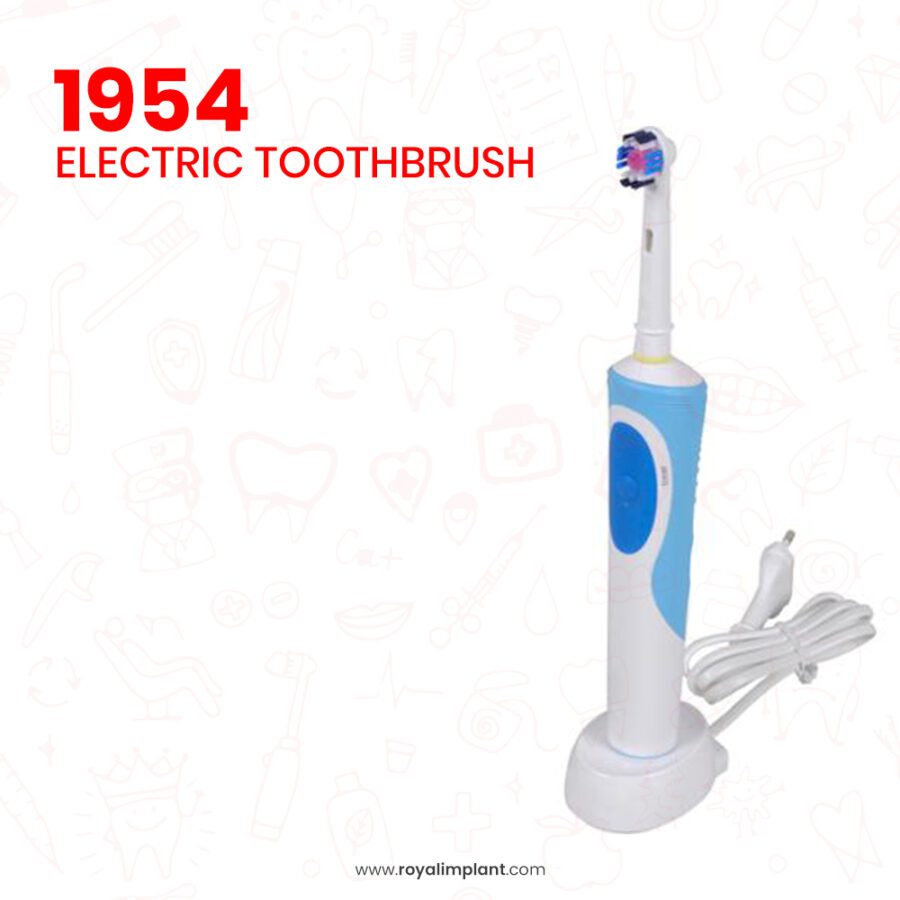
Manual or electric toothbrush: Which is better?
Both manual and electric toothbrushes can clean well if used correctly. An electric toothbrush may be helpful for patients who brush too fast, apply too much pressure, have limited hand movement, wear braces, or struggle to clean evenly. Many electric brushes also have timers or pressure sensors, which can improve brushing habits. However, even with an electric brush, the patient should use a soft brush head and avoid pressing too hard.
When should you change your toothbrush?
A toothbrush should usually be replaced every three to four months, or earlier if the bristles are frayed, flattened, or spread out. A worn toothbrush does not clean properly and may irritate the gums. Patients who brush very aggressively may notice their toothbrush wears out faster, which is a sign to reduce pressure. The ADA also advises replacing a toothbrush every three to four months or sooner if the bristles are visibly worn.
FAQs
Is a hard toothbrush better for removing plaque?
A hard toothbrush may feel stronger, but it is not usually better for daily use. Plaque can be removed effectively with a soft-bristled toothbrush when the technique is correct and brushing is done for enough time. Hard bristles may increase the risk of gum injury, enamel wear, tooth abrasion, and sensitivity, especially if the patient brushes with pressure.
Which toothbrush should I use if I have sensitive teeth or bleeding gums?
Patients with sensitive teeth or bleeding gums should generally use a soft or extra-soft toothbrush and avoid forceful brushing. Bleeding gums may be a sign of gum inflammation, tartar, poor cleaning between teeth, or gum disease, so changing the toothbrush alone may not solve the problem. If bleeding continues, a dental check-up and professional cleaning may be needed.