
Wearing dentures can bring back the confidence to smile, speak, and enjoy your favorite foods—but just like your natural teeth, dentures require proper care. One of the common challenges faced by denture users is a condition called denture stomatitis. Don’t let the medical term worry you! It’s more common than you think, and most importantly, it’s treatable.
At Royal Dental Clinics, we often meet patients who are unaware that redness or irritation under their dentures could be a sign of an underlying issue. Denture stomatitis typically arises due to poor denture hygiene, prolonged wearing (especially overnight), ill-fitting dentures, or fungal infections, primarily by Candida albicans. While it usually doesn’t cause much pain, it can lead to discomfort, swelling, or persistent redness if left unchecked.
The good news? With the right care, regular dental check-ups, and guidance from experienced dentists, denture stomatitis can be managed or even prevented altogether. In this article, we’ll walk you through what denture stomatitis is, its different types and classifications, and most importantly, how it can be effectively treated at Royal Dental Clinics—where your smile is always in trusted hands.
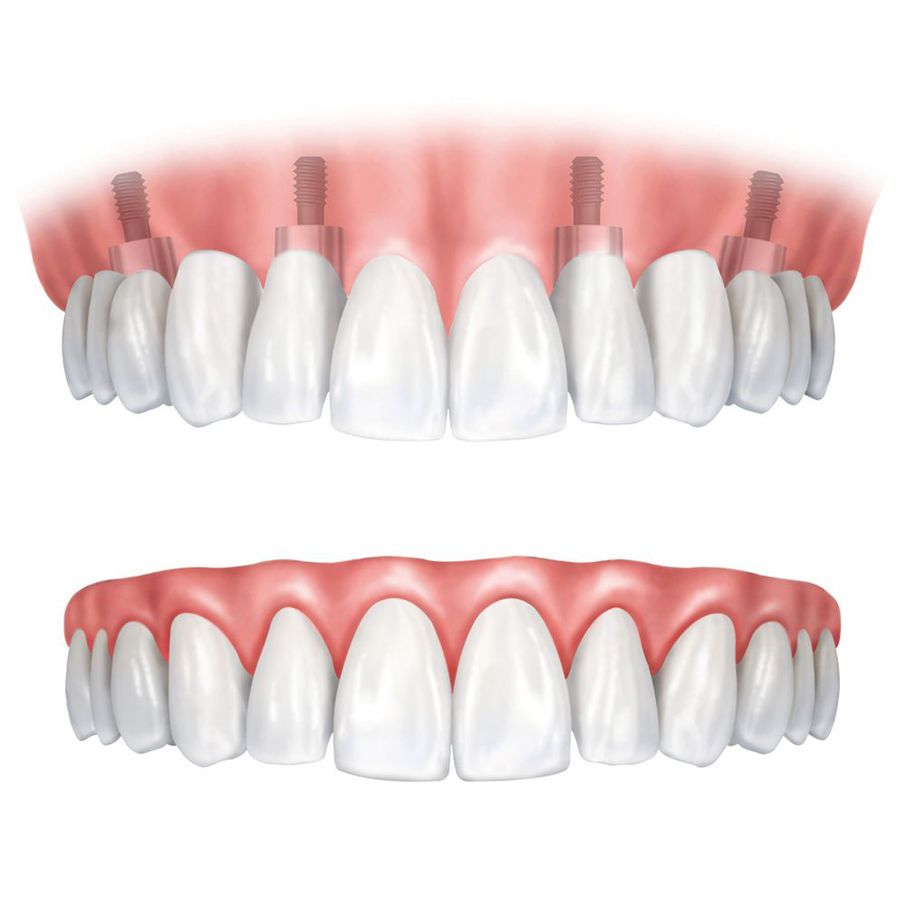
What is Denture Stomatitis?
Denture stomatitis is an inflammation of the oral mucosa that occurs beneath a denture, usually the upper one. It is commonly associated with poor denture hygiene, ill-fitting dentures, or fungal infections (especially Candida albicans). Though it is often asymptomatic, some patients may experience redness, swelling, or mild discomfort.
Classification of Denture Stomatitis
The most widely accepted system for classifying denture stomatitis was proposed by Newton in 1962. This classification helps clinicians diagnose the severity and nature of the condition, guiding effective treatment planning.
Type I – Localized Simple Inflammation
-
This type presents as small, localized areas of redness (hyperemia).
-
Often caused by mechanical irritation from ill-fitting dentures or pressure points.
Type II – Generalized Simple Inflammation (Erythematous Type)
-
Characterized by widespread redness or inflammation beneath the denture base.
-
Commonly associated with poor denture hygiene and fungal infections, particularly Candida albicans.
Type III – Granular or Nodular Inflammation (Papillary Hyperplasia)
-
Involves a pebbled, nodular appearance of the mucosa, typically on the hard palate.
-
Usually develops in long-term denture wearers and is strongly linked to chronic yeast infections and immune response.
Types of Denture Stomatitis
While Newton’s classification categorizes denture stomatitis based on its clinical appearance, the condition can also be classified by its underlying cause or origin. Understanding these types helps in providing more targeted and effective treatment.
1. Candida-Associated Denture Stomatitis
This is the most common type of denture stomatitis, caused primarily by the fungal organism Candida albicans. The constant wearing of dentures, especially overnight, creates a warm, moist environment where yeast can thrive. Poor oral and denture hygiene often contribute to its development.
Signs include:
-
Redness beneath the denture
-
A burning sensation
-
Possible white patches on the mucosa
2. Traumatic Denture Stomatitis
This form results from mechanical irritation due to ill-fitting dentures, rough denture edges, or overextended flanges. Repeated trauma to the oral mucosa leads to inflammation and sometimes ulceration.
Common indicators:
-
Localized redness or ulcers
-
Pain or discomfort while wearing the denture
-
Sores that worsen over time
Allergic Denture Stomatitis
In some cases, patients may develop an allergic reaction to the materials used in the denture base, such as acrylic resins or denture cleansers. Though relatively rare, allergic responses can cause persistent inflammation beneath the denture.
Typical symptoms:
-
Redness or rash under the denture
-
Burning or itching sensation
-
Inflammation that doesn’t resolve with hygiene improvement
Bacterial Denture Stomatitis
While less common, bacterial overgrowth can also lead to denture stomatitis, either on its own or in combination with fungal infections. This can be due to a buildup of plaque and biofilm on the denture surface.
Symptoms may include:
-
Foul odor or taste
-
Red or swollen mucosa
-
Inflammation with possible secondary infections
Symptoms of Denture Stomatitis
-
Redness and swelling beneath the denture
-
Bad breath (halitosis)
-
Mild discomfort or burning sensation
-
Dry mouth or altered taste
-
White patches in case of fungal infections
Denture Stomatitis Treatment at Royal Dental Clinics
At Royal Dental Clinics, Mumbai, we provide same-day solutions and customised care to manage denture stomatitis effectively:
1. Denture Hygiene Instructions
-
Proper cleaning and soaking of dentures in antifungal or antiseptic solutions.
-
Educating patients on removing dentures at night.
2. Antifungal Medications
-
Topical agents like Nystatin or Clotrimazole applied to the denture and oral tissues.
-
Oral antifungal medications in severe cases.
3. Denture Adjustment or Replacement
-
Relining or replacing ill-fitting dentures to relieve trauma.
-
Using biocompatible materials to reduce allergic responses.
4. Laser Therapy
-
Advanced laser technology can help reduce inflammation and control infection with faster healing.
5. Oral Probiotics & Immunomodulators
-
Encouraging the growth of beneficial flora to suppress Candida overgrowth.
Who Choose Royal Dental Clinics For Denture Stomatitis Treatment in Mumbai
With over three decades of trusted dental excellence, Royal Dental Clinics in Mumbai has become a leader in advanced, patient-centric dental care. Our unique approach combines comfort, convenience, and cutting-edge technology to deliver superior results—all in a single day.
- Expertise You Can Trust: With a legacy of over 35 years, our team of highly qualified dental specialists brings extensive experience in treating complex dental conditions, including denture-related concerns.
- Same-Day Solutions: We understand that your time is valuable. That’s why we offer comprehensive consultations, advanced diagnostics, and customized treatments—all under one roof and often completed on the same day.
- In-House Dental Laboratory: Our state-of-the-art dental lab allows us to design, fabricate, and modify dentures quickly and precisely. This ensures better fit, functionality, and aesthetics without long waiting periods.
- Advanced Technology: From digital imaging to laser-assisted treatments, we use the latest dental technologies to enhance diagnosis, treatment accuracy, and patient comfort.
- Patient-Focused Care: Every smile is unique, and so is our approach. We take the time to listen, understand your concerns, and create personalized treatment plans that suit your needs and lifestyle.
- High Standards of Hygiene: Royal Dental Clinics follows strict sterilization and hygiene protocols, providing a safe and clean environment for all our patients.
Denture stomatitis may be common, but with the right care, it doesn’t have to disrupt your comfort or oral health. Identifying the type and cause of the condition is essential for effective treatment, whether it’s due to fungal infections, trauma, or hygiene issues. At Royal Dental Clinics, Mumbai, our expert team provides accurate diagnosis, same-day treatment, and long-term preventive guidance—all designed to restore your confidence and comfort with dentures.
If you’re experiencing redness, irritation, or discomfort under your dentures, don’t ignore the signs. Early intervention can make all the difference.
Schedule your consultation with Royal Dental Clinics today and experience advanced, patient-first dental care you can trust.