
We all enjoy our favourite drinks. A morning coffee, an afternoon tea, or a cold cola on a hot day it’s part of daily life. But what do these popular drinks do to our teeth? Let’s break it all down in simple terms. In this blog, I’ll compare tea, coffee, and cola and how each one affects your teeth. We’ll look at staining, enamel damage, acid levels, sugar content, and what you can do to protect your smile. Let’s break it all down with tea coffee and colas.
Many patients ask Dr Chirag Chamria:
“Is tea really better than coffee?”
“Are colas the worst?”
“If I brush my teeth after drinking, is it okay?
1. Staining Power: Which Drink Stains Your Teeth Most?
Coffee: Coffee is one of the most well-known causes of tooth stains. It contains dark pigments called tannins, which easily stick to tooth enamel. Over time, daily coffee drinking can turn white teeth yellow or brownish.
Tea: Surprisingly, tea can stain even more than coffee especially black tea. That’s because it also contains tannins, and in some cases, even higher levels than coffee. Green tea stains less but can still cause discoloration over time.
Colas: Colas contain colouring agents and caramel colouring, which also stain teeth. While the staining may be lighter than tea or coffee, it still builds up with regular use especially with darker sodas like cola or root beer.
So, Which Is Worst?
➡️ Tea stains the most, followed by coffee, then colas.
But all three will discolor your teeth if consumed regularly especially without good brushing habits.
2. Acid Attack: Which Is Worst for Enamel?
Your tooth enamel is the hard outer layer that protects your teeth. Once it wears away, it doesn’t grow back. Acidic drinks can soften and erode enamel, making teeth more sensitive and prone to cavities.
Coffee: Coffee is mildly acidic. On the pH scale (where lower means more acidic), coffee sits around pH 5. Not extremely harmful by itself, but frequent sipping throughout the day can slowly wear enamel.
Tea: Tea is less acidic than coffee. Black tea is around pH 5.5–6, while green tea is even closer to neutral. Some herbal teas, however, can be surprisingly acidic especially citrus-based ones.
Colas: Colas are highly acidic, often around pH 2.5–3 almost as acidic as vinegar or lemon juice. This makes them very damaging to enamel, especially when sipped slowly over time.
So, Which Is Worst?
➡️ Colas are by far the worst for enamel.
Coffee is moderately acidic, and tea (especially green) is the least harmful in this category.
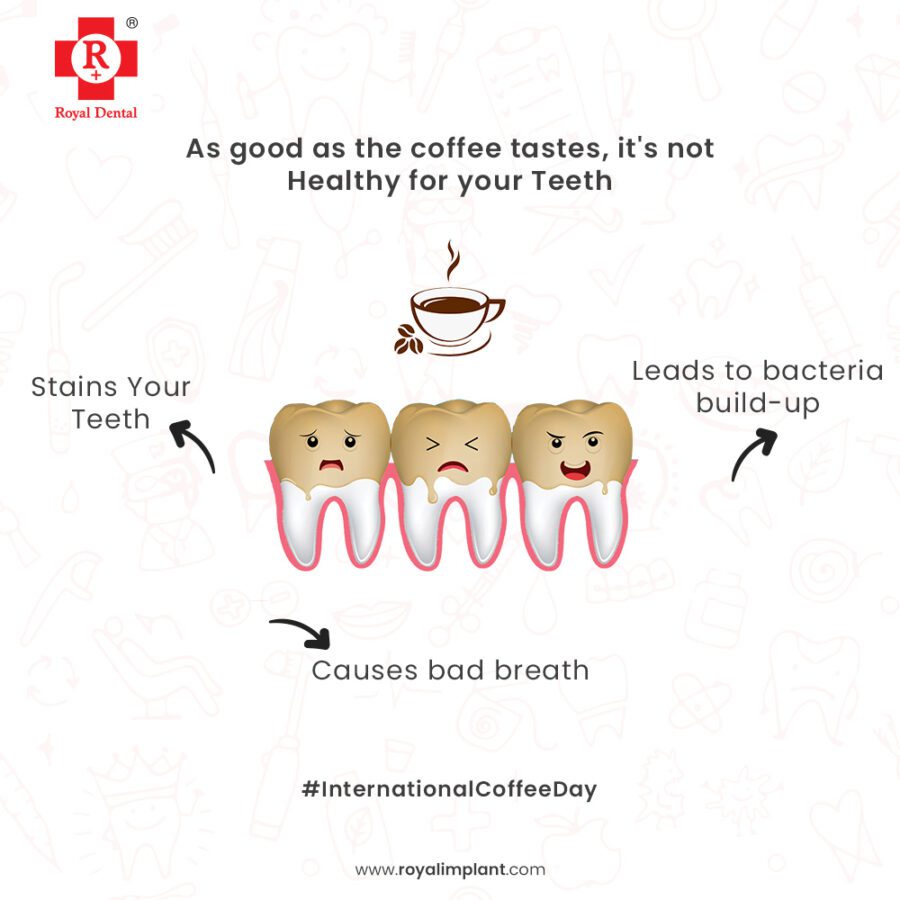
3. Sugar Content: Which Drink Fuels Cavities?
Sugar feeds the bacteria in your mouth. These bacteria produce acid as they digest sugar, which leads to cavities. So drinks high in sugar are a big problem for dental health.
Coffee: Plain coffee contains no sugar but many people add sugar, flavoured syrups, or creamers. Some sweetened coffee drinks (like lattes or mochas) can contain as much sugar as a soda!
Tea: Like coffee, plain tea is sugar-free. But sweetened iced teas and milk teas (like bubble tea) often contain lots of added sugar. Some have even more than cola.
Colas: Regular cola is loaded with sugar a standard can has about 9–10 teaspoons (around 39 grams). This sugar bath feeds cavity-causing bacteria every time you sip.
So, Which Is Worst?
➡️ Colas win again worst for sugar and cavity risk.
Sweetened coffee and teas come next. Plain versions are better, but it all depends on how you take your drink.
4. Overall Impact on Teeth
| Drink | Staining | Acid Level | Sugar (Unsweetened) | Enamel Risk | Cavity Risk |
| Tea | High | Low–Moderate | None | Moderate | Low |
| Coffee | Moderate High | Moderate | None | Moderate | Low |
| Cola | Moderate | Very High | Very High | High | High |
From this, we can see:
- Colas are the worst overall high in sugar, highly acidic, and still cause staining.
- Tea stains the most, but is generally less harmful to enamel.
- Coffee is in the middle not great, not the worst.
Tips to Protect Your Teeth if You Love These Drinks
- Use a Straw: A straw helps the drink bypass your teeth, reducing contact with enamel. Especially helpful for colas or iced drinks.
- Don’t Sip All Day: Sipping slowly over hours keeps your teeth bathed in acid and sugar. It’s better to drink it all in one sitting, then rinse your mouth with water.
- Rinse with Water: After drinking coffee, tea, or soda, rinse your mouth with plain water. This helps wash away acid and pigment.
- Wait Before Brushing: If you brush right after drinking something acidic, you can scrub softened enamel away. Wait 30–60 minutes before brushing.
- Choose Less Harmful Options: Go for green tea instead of black. Choose sugar-free coffee or tea. Avoid diet sodas too they’re still acidic, even without sugar.
- Use Fluoride Toothpaste: Fluoride strengthens enamel and helps prevent decay. Make it part of your daily routine.
What About Teeth Whitening?
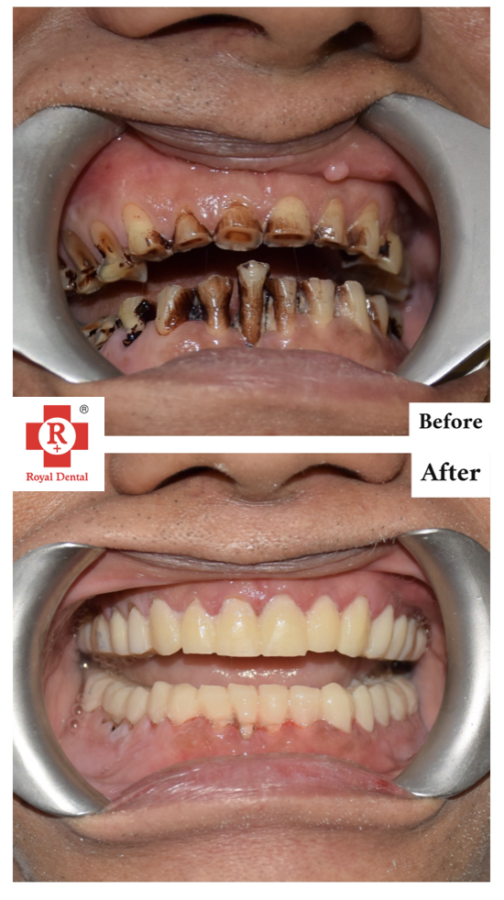
If your teeth are already stained from years of coffee, tea, or cola, you’re not alone. Professional cleanings and whitening treatments can help. Ask your dentist about safe whitening options. Avoid over-the-counter kits unless recommended by a dental professional they can cause sensitivity or uneven results.
Final Verdict: Which Is Worst?
If we’re ranking these drinks based on their overall harm to your teeth:
🥉 3rd Place – Tea:
Yes, it stains a lot especially black tea but it’s low in sugar and acid. If you take it plain and rinse after, it’s not too bad.
🥈 2nd Place – Coffee:
Still causes staining and mild enamel erosion. Not great, but manageable with good habits.
🥇 1st Place – Cola:
The worst offender by far. It’s high in sugar, extremely acidic, and still causes staining. A double (or triple) threat to your teeth.
Takeaway Message
You don’t have to give up your favorite drink. But understanding how tea, coffee, and cola affect your teeth helps you make smarter choices.
✔️ Limit how often you drink them.
✔️ Avoid sugar.
✔️ Use a straw.
✔️ Rinse with water.
✔️ Don’t brush right after.
✔️ See your dentist regularly.
Your teeth are meant to last a lifetime. Protecting them doesn’t mean giving up everything you love just making a few smart changes.
Medical Disclaimer
This article is for patient education only. Dental treatment should be planned after clinical examination, medical history review, and X-rays or scans where required. Treatment suitability, cost, timeline, healing, and results vary from patient to patient.