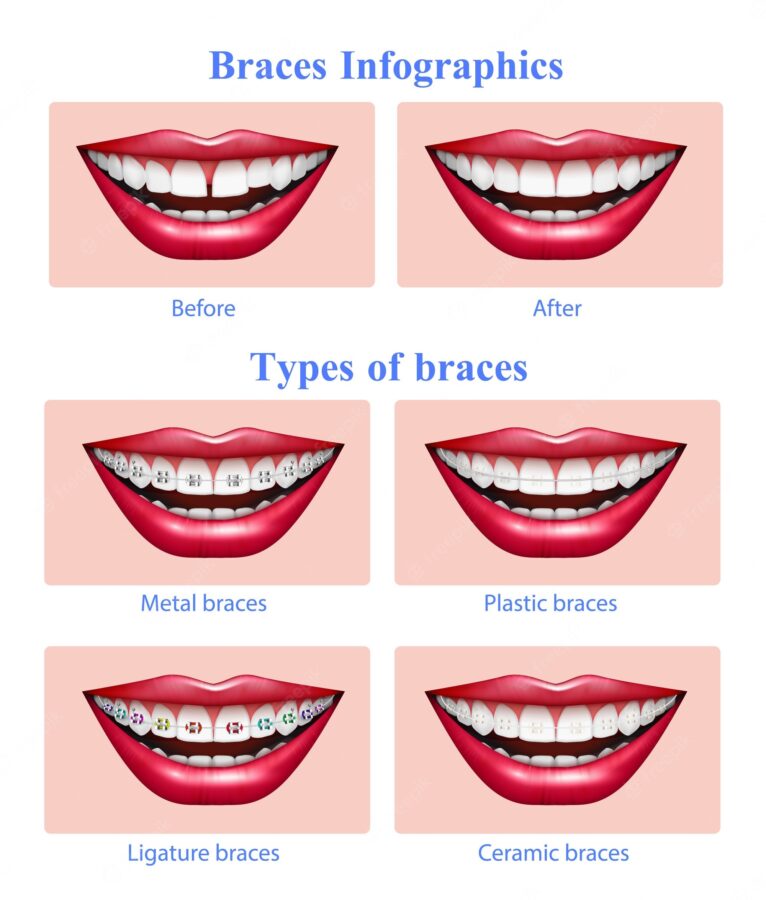
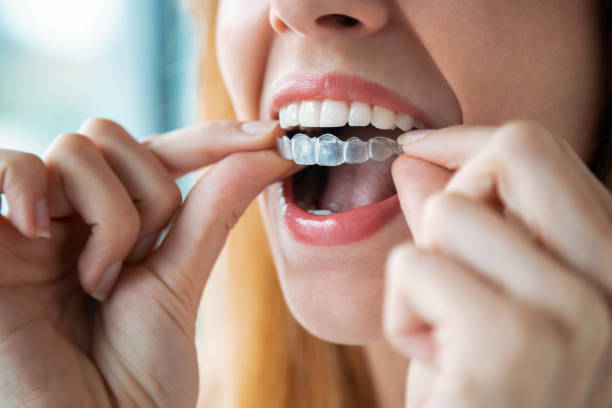
Aligners and braces are orthodontic devices that gently move teeth into more favourable positions. They exert slow and steady pressure over a period of time. The pressure forces the bone to remodel around the teeth thereby enabling the teeth to move. Braces employ wires and brackets to gently guide the teeth whereas aligners are transparent plastic trays that encase the teeth and push them in a gradual manner It is a time consuming process since it relies on the natural capacity of bone to break down and reform due to pressure Both braces and aligners are orthodontic appliances used to correct crooked crowded or spaced teeth. They work by exerting controlled continuous pressure on the teeth. This pressure over time not only pushes the teeth it actually reshapes the bone in the jaw (referred to as the alveolar bone)
How Teeth Move The Biology Behind It
Your teeth rest in alveolar bone which is a specialized bone in your jaw A ligament known as the periodontal ligament (PDL) holds each tooth in place a soft tissue that cushions the tooth and attaches it to the bone When force is applied one half of the tooth’s PDL gets compressed and the bone on this side begins to break down (resorb) the other half of the tooth’s PDL is stretched and new bone starts to form this will make the tooth move gradually in the direction of the pressure
Tooth Movement Mechanism
When force is applied (through braces or aligners) it triggers a chain reaction that is biological Pressure Side (Direction of tooth movement)The PDL becomes compressed This makes osteoclasts (bone resorbing cells) resorb bone on that side bone resorption this opens up space for the tooth to move into tension Side (Direction opposite of movement) the PDL gets stretched this provokes osteoblasts (bone forming cells) to lay down new bone termed bone deposition this stabilizes the tooth in its new position this remodeling occurs slowly and constantly during treatment Tooth movement is a biological process that involves remodeling of surrounding bone and periodontal tissues due to a controlled force applied over time to the teeth It is primarily employed in orthodontics to move jaws and teeth into proper alignment The mechanism of tooth movement can be explained as follows
Application of Force
Orthodontic appliances (such as braces or aligners) exert continuous and controlled forces upon the teeth. The forces result in pressure on one side of the tooth and tension on the other side Biological Response the force results in changes in the periodontal ligament (PDL) and alveolar bone (the bone that contains the tooth sockets) Pressure Side (Bone Resorption) Compressed on the side of the tooth being forced is the PDL Blood flow is decreased which results in release of chemical mediators (such as prostaglandins and cytokines) Stimulates osteoclasts which are bone resorbing cells
Orthodontic care is frequently viewed as cosmetic the mere straightening of teeth for a lovely smile Yet for children and adolescents the rewards extend much more deeply Beyond how they look braces and aligners have a profound effect on mental health self confidence and social adjustment this article delves into the psychological advantages of orthodontic care in children and adolescents addressing the usual questions parents ask while illustrating how early intervention prepares kids for long term emotional health.
Why is orthodontic treatment important for children?
Many children become self-conscious about crooked or misaligned teeth. They may avoid smiling, feel embarrassed while speaking, or hesitate to participate in class. Over time, this can affect friendships, confidence, and overall social comfort.
Orthodontic treatment doesn’t just straighten teeth—it can genuinely support a child’s emotional well-being. As their smile improves, many children feel more comfortable seeing themselves in the mirror. That positive change often builds self-esteem, making them more willing to smile, laugh, and communicate openly. When children worry less about how their teeth look, they often experience less daily stress and anxiety in social situations.
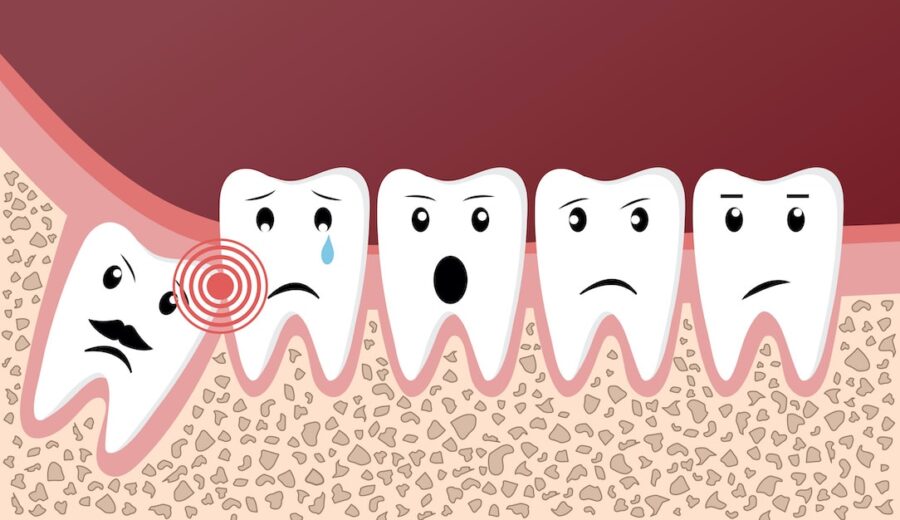
Correcting alignment early can also prevent years of emotional struggle tied to teasing or appearance-related insecurity. And beyond confidence, orthodontic care helps improve bite function, jaw development, and long-term oral health—making it a meaningful investment in both physical and mental wellness. In short, orthodontic care is about far more than appearance—it can play an important role in a child’s confidence, comfort, and quality of life.
Improves Self-Esteem and Confidence
Kids and adolescents are extra sensitive to their appearance and how others view them Crossed teeth gaps or a bad bite will result in teasing or bullying that can hurt self image Prior to treatment Most children with obvious dental problems will be self conscious about smiling speaking or laughing following treatment Straighter teeth can provide them with a more confident smile which tends to result in enhanced self esteem and greater motivation interact socially
What is Self-Esteem?
Self esteem is your general feeling of personal worth or value It’s how much you enjoy and value yourself no matter what high self esteem Feeling capable worthy and deserving of happiness low self esteem Questioning your ability feeling inferior or undeserving.
What is Confidence?
Confidence is your faith in your ability to get the job done or navigate situations well It usually develops out of self esteem but is more a function of action self confidence Believing in your talents and judgment Social confidence Confidence in being able to handle interactions with others Situational confidence Feeling capable of handling particular tasks (e.g.interviews public speaking)
Did you ever wonder what makes braces and aligners straighten teeth?
Orthodontics is where biology and physics work together, guided with precision by your orthodontist. At MI Smile Journey by Thomas Orthodontics, we use science-backed techniques to create smiles that are not only beautiful, but also healthy and functional. Orthodontic treatment works on a simple principle: controlled, gentle pressure is applied to the teeth. Over time, this pressure stimulates a natural process called bone remodeling—the bone around the tooth adapts, allowing the tooth to gradually move into the correct position. Whether you choose traditional braces or clear aligners, understanding how tooth movement works can help you feel more confident and informed throughout your treatment journey.
Conclusion
Braces and aligners apply a precisely controlled biological process to move teeth into improved positions using gradual gentle pressure The pressure triggers bone remodeling wherein old bone is resorbed and new bone is created so that teeth can move incrementally over time Orthodontic treatment is oftentimes viewed as a cosmetic procedure but it has important emotional and psychological advantages particularly for youngsters By enhancing dental form and function orthodontic treatment can improve self confidence and facilitate healthier social and emotional growth Knowing that this process is possible not only reinforces the value of orthodontics but also empowers patients and parents to make informed decisions regarding long-term health and well being.