
Careful, a healthy smile carries with it a characteristic of confidence and wellness. But finding a loose tooth in your mouth can quickly shatter this confidence. If you are a resident of Mumbai and experiencing the condition of Teeth Mobility in Mumbai, you need to know that while your teeth do possess a tiny amount of “give” to enable you to chew food, a perceptible amount of movement spells trouble.
This sensation can be quite unnerving when you recognize it while consuming your favorite foods or simply when brushing your teeth in the morning. A fear of losing a tooth could cause people to avoid going to the dentist, whereas the truth of the matter is that the only way to rectify the problem is to seek help early. Teeth are not designed to change positions once you have entered adulthood; whenever they do, it shows that your body recognizes that the support structure of your teeth, the “foundation of your smile” is under attack.
At Royal Implant Dental Clinic, we frequently see patients concerned about shifting teeth and the discomfort that accompanies them. We understand the emotional and physical impact this has on your daily life. Understanding the root cause most commonly gum disease or underlying bone loss is the first step toward saving your smile and regaining your peace of mind.
What Is Teeth Mobility and Why Does It Happen?
In short, a simple definition for tooth mobility is the loss of the tightness of a tooth to its socket. To explain why a tooth can become mobile in the first place, it is helpful to use a house as a model for a tooth. In order for a house to stand properly, it has to have a deep foundation, as well as good soil conditions. In your mouth, your “foundation” would include the alveolar (jawbone) and periodontal ligament.
Normal (Physiological) Movement: Normal teeth will have a tiny, imperceptible amount of movement, measured in less than 1mm. This is actually a necessary mechanism of survival – the periodontal ligament is a shock absorption mechanism that allows the tooth to “give” temporarily to the immense pressure applied to it during eating.
Pathological Mobility: This is an abnormal movement that may be felt with your tongue, observed in a mirror reflection of yourself, or felt when your jaw is closed. This is a consequence of either a degradation of the “soil” surrounding your roots or a stretching and degradation of your ligaments (“cables”).
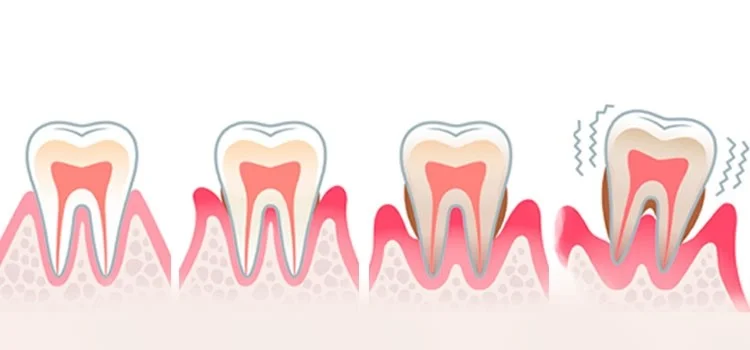
Common reasons for this breakdown include chronic infection, which “eats away” at the bone, or “occlusal trauma,” where the teeth are hitting each other with too much force due to misalignment or grinding. Whether it’s caused by a sudden injury or years of silent neglect, addressing Teeth Mobility in Kandivali, Mumbai early is crucial. Once the supporting bone is lost, it is much harder to grow back than it is to simply protect what you still have.
How Gum Disease Causes Teeth Mobility
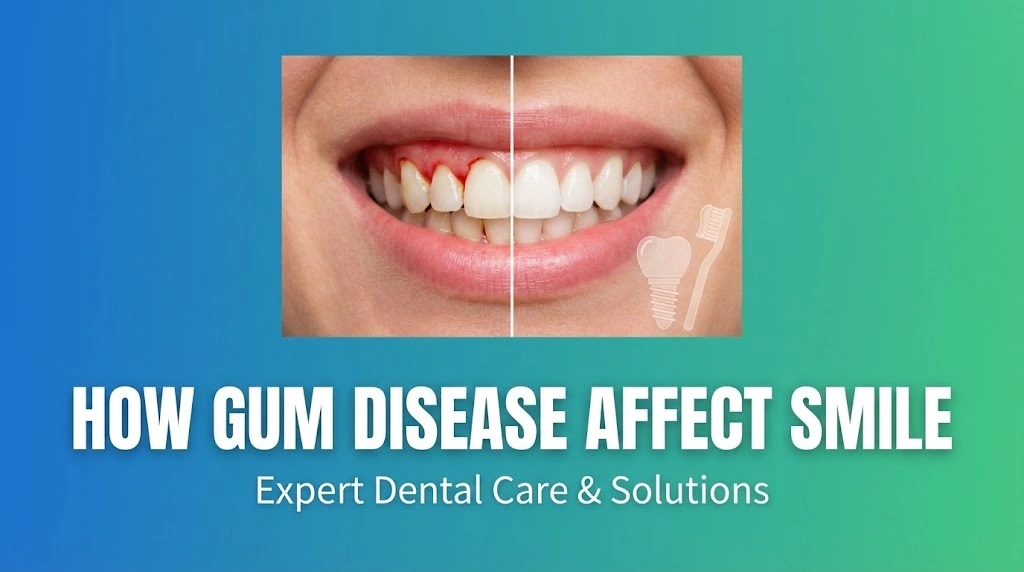
Gum disease can also be considered a “silent” infection since it does not create considerable pain until it progresses to a severe condition. Gum disease is considered to be the number one cause for “Teeth Mobility in Mumbai.” The stages involved in creating an unstable smile are as follows:
- Plaque & Tartar: Bacteria produces a sticky, invisible film called plaque. If not removed by regular brushing, it builds into a hard residue called tartar, or calculus, which can only be removed by a professional dentist.
- Gingivitis: Gingivitis is the early stage where the gums can easily be irritated to the point where they might bleed. In this stage, there is still sound bone but an attack on the soft tissues.
- Periodontitis: In the event that gingivitis is untreated, the infection will spread below the gum line. The gums will begin “pulling away” from the tooth and will develop “pockets” where more bacteria will multiply.
- Bone Loss: This marks the most critical phase. The Immune system in your body attempts to fight the bacteria; however, the end effect of all that inflammation is the destruction of the bone tissue that holds your teeth in place.
Loose Teeth: When the bone level gets critically low, the tooth has nothing to hold on to. As a result, it becomes loose and will fall out on its own or may need to be extracted. Learn about how we manage these conditions in our guide to Dental Treatment Services.
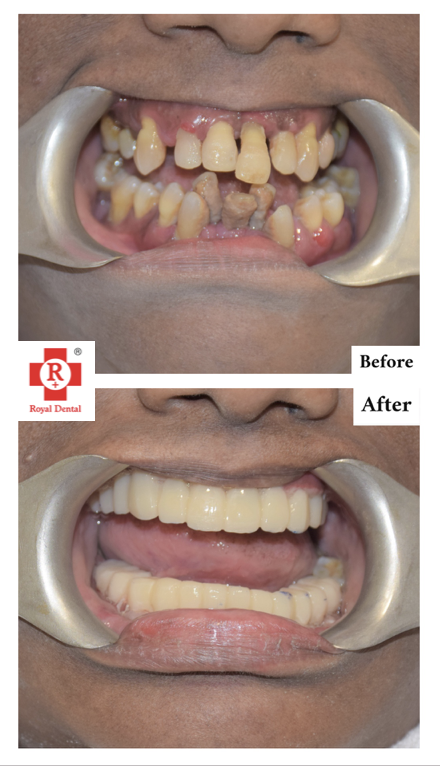
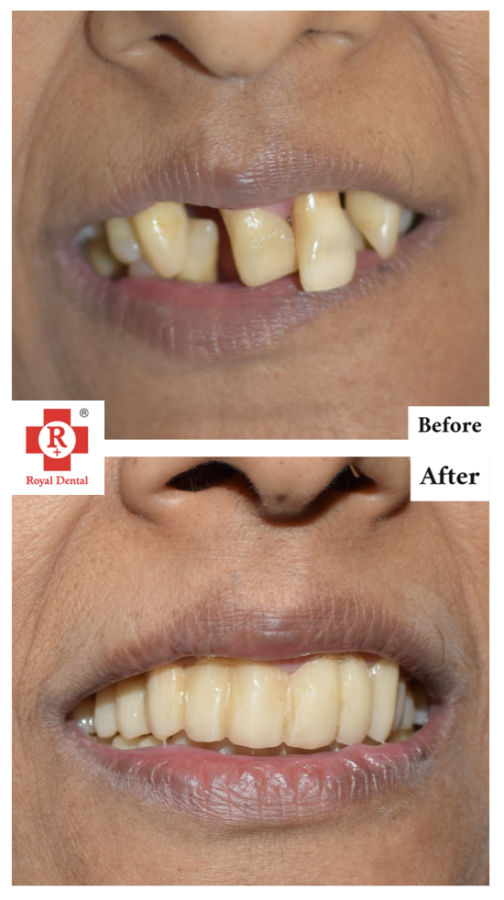
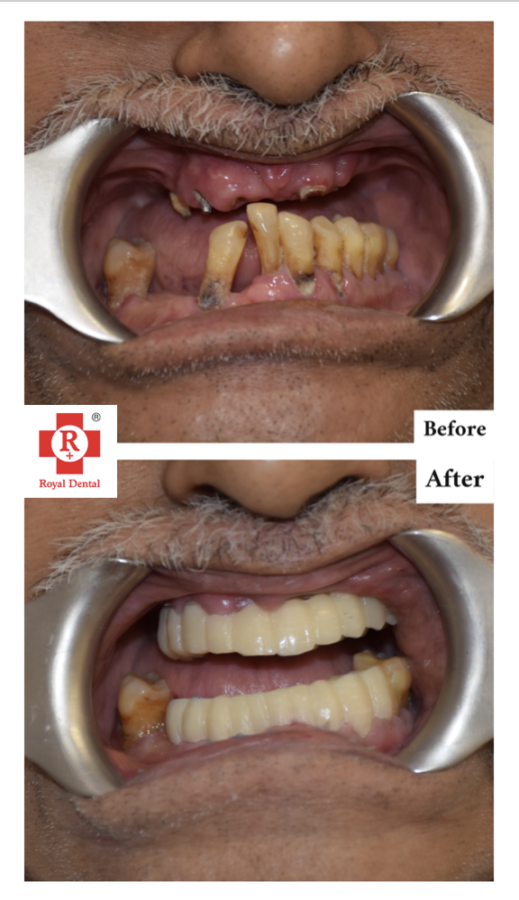
Common Symptoms of Teeth Mobility
- Shifting Teeth: You may find that gaps develop between your formerly tightly contacting teeth or realize that your bite does not seem right when your jaws close.
- Bleeding Gums: Seeing red in the sink when you spit after brushing or flossing is NEVER normal it’s a sign of infection.
- Persistent Bad Breath (Halitosis): It’s not just about what you ate; it’s a result of the gases produced by the bacteria that are resident in deep periodontal pockets.
- Gum Recession: The teeth may appear “longer” as a result of a recession of the gum tissue, which causes a revealing of the sensitive roots of the teeth.
- Pain During Chewing: Because the tooth is loose, the pressure of chewing WILL cause it to shift slightly in position in the socket, irritating the nerve and resulting in soreness that can range from dull to sharp.
Don’t ignore these signs. A small problem today can be a big surgery tomorrow. Read more about Types of Dental Examination to see how we catch these issues early.
Diagnosis of Teeth Mobility in Kandivali, Mumbai
When you visit Royal Implant Dental Clinic for a consultation, we don’t just guess the level of mobility. We use a standardized, scientific approach to determine the health of your dental foundation:
- Clinical Physical Exam: We use specialized dental instruments to check for movement. We categorize mobility on a scale from Grade I (slight) to Grade III (severe movement in both horizontal and vertical directions).
- Digital X-rays: These are essential for seeing what the naked eye cannot. X-rays allow us to measure the exact height of your jawbone and see exactly where the “scaffolding” of your tooth has eroded.
Periodontal Probing: We use a tiny, calibrated instrument to measure the depth of the “pockets” between your teeth and gums. Healthy pockets are 1–3mm; anything deeper indicates that the gum attachment is failing.
Our clinic utilizes the latest innovations to ensure your diagnosis is accurate. Learn more about The Future of Dentistry & Latest Innovations.
Treatment Options for Teeth Mobility
The treatment for Teeth Mobility in Mumbai depends entirely on the underlying cause and the severity of the bone loss. At Royal Implant Dental Clinic, we focus on saving the natural tooth whenever possible through several advanced methods:
- Deep Cleaning (Scaling & Root Planing): This is the first line of defense. We remove tartar and bacterial colonies from deep within the gum pockets, allowing the tissue to heal and reattach to the tooth.
- Splinting: If a tooth is loose but has enough bone support to recover, we can “splint” it. This involves bonding the loose tooth to the stable teeth next to it, acting like a dental “cast” to keep it still while the ligaments heal.
- Laser & Surgical Gum Care: For advanced periodontitis, we may use laser therapy to kill deep-seated bacteria or perform flap surgery to repair the damaged foundation.
- Tooth Replacement (Dental Implants): If a tooth has lost too much bone to be saved, the most reliable long-term solution is a Dental Implant. This replaces the root of the tooth and prevents the surrounding teeth from shifting.
If you’re suffering from tooth pain or gum issues, explore our comprehensive Dental Treatment Services to see how we can restore your smile.
Preventing Teeth Mobility & When to See a Dentist
The key to avoiding Teeth Mobility in Kandivali, Mumbai is a proactive approach to oral hygiene. Prevention is always more comfortable and cost-effective than a cure.
- Commit to Oral Hygiene: Brush twice daily with a soft-bristled brush and never skip flossing. Flossing is the only way to remove plaque from the “pocket” areas where gum disease starts.
- Regular Professional Care: Even with perfect brushing, tartar can still form. Routine Dental Examinations every six months allow your dentist to catch “silent” bone loss before it becomes a loose tooth.
- Monitor Your Symptoms: If you notice bleeding gums, persistent bad breath, or a slight change in how your teeth fit together, these are early warning signs of Teeth Mobility in Mumbai.
- Early diagnosis is the secret to a lifetime of healthy teeth. Whether you need a simple cleaning or a specialized consultation, our team is equipped with theLatest Dental Technology to ensure your treatment is precise and painless.
Ready to secure your smile? Book an Appointment at Royal Implant Dental Clinic today and take the first step toward a firmer, healthier smile
Contact
Website: Royal Implant
Address: 79, V Mall, Thakur Complex, Kandivali East, Mumbai – 400 101
Contact No: +91 9820012621
Email Id: info@royaldentalclinics.com
Instagram | Youtube | Facebook | Linkedin
Suggested Article –
- Pros and Cons of Full Mouth Dental Implants
- Difference between Crowns and Dental Implants?
- Who is the Best Dental Implant Specialist
Medical Disclaimer
This article is for patient education only. Dental treatment should be planned after clinical examination, medical history review, and X-rays or scans where required. Treatment suitability, cost, timeline, healing, and results vary from patient to patient.