


Choosing dental treatment is not only about the procedure itself. Patients also want to understand what is wrong, what options are available, how long treatment may take, what it may cost and what limitations they should consider. At Royal Dental Clinics, we believe that informed decisions begin with clear communication. A consultation should give patients an understanding of their diagnosis, treatment alternatives, expected timeline, risks, maintenance requirements and estimated costs. This article shares Real Stories of Patient experiences that demonstrate how clarity can reduce anxiety and help patients participate more confidently in their dental decisions.
What does clarity mean in dental treatment?
Clarity in dental treatment means understanding the diagnosis, available alternatives, expected benefits, limitations, costs, treatment sequence and follow-up requirements before making a decision. A clear consultation should also explain when a tooth can be saved, when replacement may be required and whether treatment needs to be completed immediately or in stages.
What patients should understand before starting treatment
| Area | What should be explained |
|---|---|
| Diagnosis | The condition affecting the teeth, gums, bone or bite |
| Treatment options | Conservative, alternative and replacement options |
| Sequence | What will happen first and what follows later |
| Timeline | Procedure time, healing and review appointments |
| Cost | Estimated treatment cost and possible additional expenses |
| Materials | Available materials and their practical differences |
| Risks | Limitations, complications and maintenance requirements |
| Outcome | What can reasonably be expected—not a guarantee |
Transparent Pricing
One of the blockages that makes people put off a visit to the dentist is the fear of the unexpected expenses. Transparent pricing gets rid of this hurdle by offering exact, upfront cost estimates before any treatment is undertaken.
Empowers Informed Decisions: Costs understanding by patients means that they also get to know insurance coverage possibilities and out-of-pocket expenses, so on. Thus, they can compare options, are able to choose treatments that are good for their health and financially, and decide based on the combination of these.

Trust Building and Anxiety Alleviation: Transparent communication regarding fees, payment plans, and user-friendly financing options are signs of the practice’s honour and uprightness, which lead to trust getting firmly established between the patient and the dental clinic.
Increases Treatment Acceptance: If patients realise the importance of and the price behind their care, they will probably be willing to go along with their dentist’s instructions, which will result in them availing good oral health in the long term.
Real Stories
One of the most potent tools for the depersonalization of the dental experience and the elimination of typical fear and stigma associated with it is, without doubt, authentic testimonials and real patient stories.
Creates Emotional Connection: By reading the stories of people who have been through the same and have come out successful, whether that be only a routine check-up or a more complicated procedure, those who make up the dental experience for the first-time and thus feel worried or scared will realise they are not the only ones and that their doubts don’t need to worry them.
Genuine stories and reviews give confidence to potential clients that the practice offers them not only quality but also empathetic care and good results as they constitute social proof. One more benefit of these stories is that they help patients to turn their worry-about-an-appointment-into-confidence by showing them how other patients were treated by the dental teams, the empathy and the professionalism they received, thereby their initial anxiety can be turned into confidence and the urge to seek care increase
The Synergy of Clarity
The greatest thing that comes out of having transparency in pricing together with the real stories is the trust built. The experience becomes seamless and patients don’t have to apprehend the financial consequences or be afraid of the unknown when undergoing a procedure. This mutual understanding leads to patients being treated as equals, respected and given the freedom to make up their own minds about their health which, in the end, is the main reason why patients become confident and possess an oral health that is both advantageous and aesthetically pleasing.



People nowadays who have been exposed to a lot of loud claims and shiny promises, have become very good at detecting exaggerations. What they really need is honesty consisting of clear explanations, reasonable expectations, and straightforward answers.
Real confidence does not utter the words “Trust me.” Instead, it states “Here is exactly how this works.”
When companies and people use clear communication they make things easy. There is no guessing, no hidden catches, or confusion to deal with. This openness is a sign of confidence: We do not have to hide the truth to be valuable.
Real Stories of Patient Create Real Confidence
Nothing is more supportive of clarity than real stories. Not the testimonials that sound like scripts or are too perfect, but the real experiences—what was successful, what was not, what changed during the process. Real stories demonstrate results in the right way. They accept the existence of challenges and compromises, and it is this honesty that makes success believable.
Invisible charges, unclear cost estimations, or prices with the label “contact us to learn more” normally are signs of doubt or lack of confidence. This doubt might be because of fear of being compared, fear of rejection, or fear that the value will not be obvious.
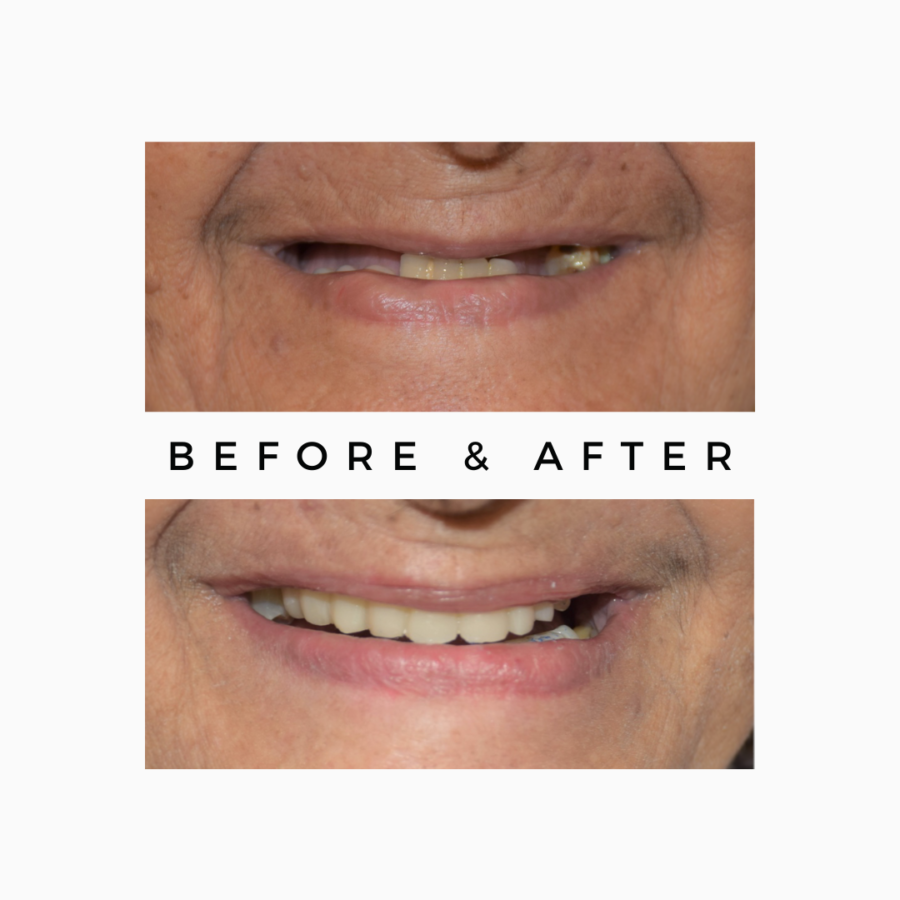

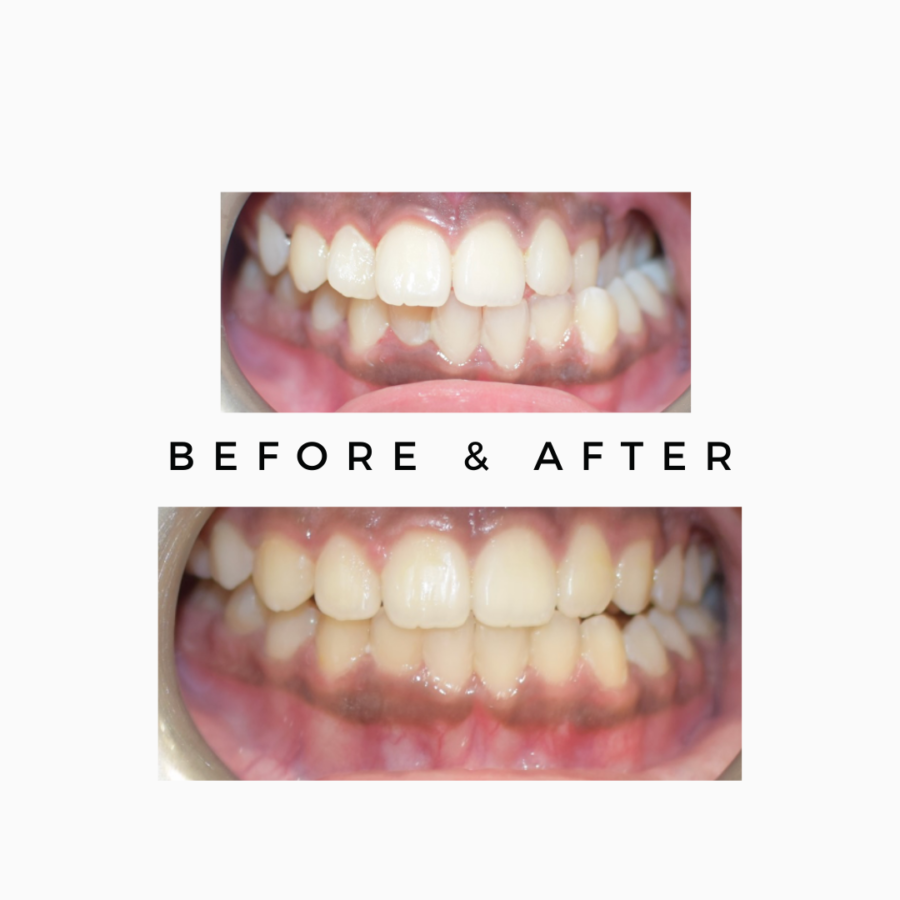
Clear pricing does exactly the opposite
Dental treatment costs depend on the diagnosis, number of teeth involved, materials selected, laboratory requirements, surgical procedures and follow-up care. After examination, patients should receive an estimate that explains the proposed treatment and the factors that may change the cost. A cost discussion should be considered alongside clinical suitability, expected longevity, maintenance and available alternatives. The least expensive option is not always the most appropriate option, and the most extensive option is not always necessary.
What happens during a dental consultation?
You should leave with a clearer understanding of the diagnosis, possible treatment options, expected sequence, approximate timeline, risks, maintenance requirements and estimated cost. You are also encouraged to ask questions and take time before making a decision. A consultation generally begins with a discussion of your main concern, medical history and previous dental treatment. The dentist then examines your teeth, gums, bite and facial structures. Photographs, X-rays or CBCT imaging may be advised when clinically necessary.
FAQs
Why is clarity important before dental treatment?
Clear information helps patients understand their condition, compare suitable options and make decisions based on realistic expectations.
Will I receive the exact treatment discussed during the first consultation?
Not always. The treatment plan may need to be refined after further scans, specialist assessment, laboratory planning or changes in oral health.
Can I ask about alternative treatments?
Yes. Patients should ask about conservative options, staged treatment, replacement options, benefits, limitations and the consequences of postponing treatment.
Will the treatment cost remain the same?
The initial estimate may change if additional findings are discovered or if the treatment plan changes. Ask what is included, what is excluded and which costs may arise later.
Can I take time before deciding?
Yes. Unless there is an urgent dental problem, patients can usually take time to understand the options, ask questions and seek another opinion.
Are patient stories and results the same for everyone?
No. Treatment results depend on the patient’s teeth, gums, bone, bite, medical history, habits, healing and follow-up care.
Medical Disclaimer
This article is for patient education only. Dental treatment should be planned after clinical examination, medical history review, and X-rays or scans where required. Treatment suitability, cost, timeline, healing, and results vary from patient to patient.