
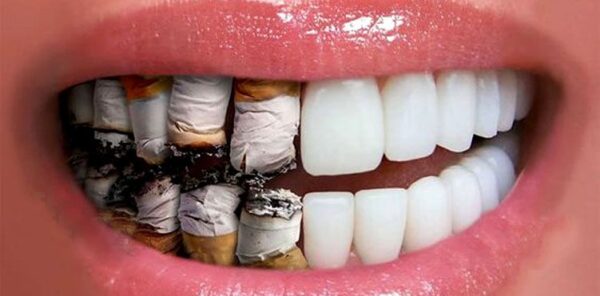
Tobacco use can affect your oral health in several ways. Smoking and smokeless tobacco are associated with gum disease, tooth staining, tooth loss, oral mucosal changes and an increased risk of oral cancer. Tobacco use can also delay healing and make treatment for gum disease less successful. Understanding these effects can help you recognize warning signs, protect your oral health and take steps toward quitting tobacco. Learn how smoking and smokeless tobacco affect your teeth, gums and oral health, including gum disease, tooth loss, staining and oral cancer risks.
Who Is This Article For?
This article is useful for:
- People who currently smoke cigarettes, bidis, cigars or use other tobacco products.
- People who use smokeless tobacco such as chewing tobacco.
- Patients concerned about tobacco-related gum disease, tooth staining or tooth loss.
- Patients preparing for dental treatment or surgery who want to understand how tobacco can affect healing.
- People looking for information about quitting tobacco and protecting their oral health.
Overview: Dangers of Smoking on Oral Health
Smoking is associated with numerous health issues, including an increased risk of oral health problems. In fact, gum disease is one of the earliest oral health problems to be linked to smoking. Other oral health issues linked to smoking include tooth decay, poor oral hygiene, bad breath, and more serious oral health problems such as oral cancer.
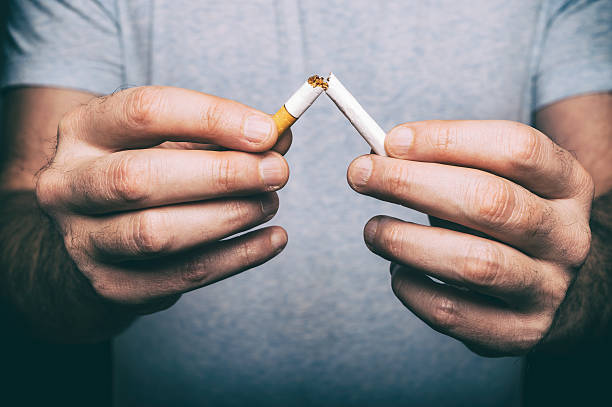
Smoking damages the gums, which can result in gingivitis and, over time, periodontal (gum) disease. It also alters the way the body responds to stimuli, making it more difficult for the body to heal and fight infections. This can lead to tooth decay and an increased risk of cavities. Smoking also reduces the amount of saliva in the mouth, which can lead to bad breath.
Smoking affects Oral Health
The harmful effects of smoking on oral health include tooth decay, gum disease, and an increased risk of oral cancer. Smoking is also associated with an increased risk of impotence in men. Smoking can lead to tooth decay. Tobacco contains acids and other substances that can erode tooth enamel, making it easier to get cavities. Smoking increases the risk of developing gum disease.
Smoking can irritate and damage the gums. Over time, this can lead to periodontal (gum) disease, which is when the infection travels beyond the gums and bacteria can travel into your bloodstream. Smoking increases the risk of oral cancer. There is some evidence that smoking may increase the risk of oral cancer.
Effects of second-hand smoke on Oral Health
Second-hand smoke is just as dangerous as regular smoking and can cause health issues. Second-hand smoke contains many of the same harmful chemicals as regular cigarette smoke. These toxins can irritate the gums, increasing the risk of gum disease, and they can also cause other oral health issues such as tooth decay, bad breath, and cancer. Research has shown that people who breathe in second-hand smoke are at an increased risk of developing gum disease, tooth decay, and other oral health issues.

Protect yourself and family from dangers of Smoking
The best way to protect yourself and your family against the dangers of smoking are to stop smoking. Even if you don’t smoke, you can still be at risk of developing dental health issues due to second-hand smoke. There are several ways to protect yourself against the dangers of smoking, including quitting smoking and using protective equipment such as a vaporizer or an air filter. These measures can help reduce the risk of oral health issues due to smoking. See below for more information on how to protect yourself and your family against the dangers of smoking.
Treatments for oral health problems caused by Smoking
Fortunately, most oral health issues caused by smoking can be treated with proper oral hygiene and regular dental checkups. Treatment for gum disease and tooth decay caused by smoking can include professional cleaning and fluoride treatments. If oral health issues caused by smoking become more serious, such as oral cancer, treatment may involve antibiotics, surgery, or chemotherapy.
Resources for quitting smoking
It’s important to be aware of the risks of smoking and the dangers of tobacco, so you can take the necessary steps to protect yourself and your family from these health issues. It can be difficult to quit smoking, but it is definitely possible with the right support. If you are struggling to quit smoking or would like to avoid starting in the first place, there are many resources available to help.

Conclusion
If you smoke or use smokeless tobacco and have bleeding gums, loose teeth, persistent mouth sores, tooth staining or other oral health concerns, a dental examination can help identify problems early. At Royal Dental Clinics, your dentist can assess your teeth and gums, discuss tobacco-related risks and recommend an appropriate treatment plan based on your oral health. If you are considering quitting tobacco or preparing for dental treatment, discuss your tobacco use openly with your dental team.
Frequently Asked Questions
1. How does tobacco affect oral health?
Tobacco use increases the risk of gum disease, tooth staining, tooth loss and oral cancer. It can also delay healing and make periodontal treatment less successful.
2. Can smoking cause gum disease?
Smoking is a major risk factor for gum disease and can make periodontal disease more severe and treatment less successful.
3. Can tobacco cause tooth loss?
Tobacco does not usually cause a tooth to fall out directly. It increases the risk of gum disease, which can destroy the tissues and bone supporting teeth and eventually contribute to tooth loss.
4. Does smokeless tobacco affect oral health?
Yes. Smokeless tobacco is associated with oral cancer, leukoplakia, gum disease, tooth decay, tooth discoloration, gum recession and tooth loss.
5. Should I tell my dentist that I use tobacco?
Yes. Your dentist needs to know about tobacco use because it can affect gum health, healing and treatment outcomes. Your dental team can also provide or recommend tobacco-cessation support.
Suggested Article –
- How does tobacco affect your oral health?
- Prevent oral cancer with medicinal paste?
- How smokers take care of their oral hygiene?
Medical Disclaimer
This article is for patient education only. Dental treatment should be planned after clinical examination, medical history review, and X-rays or scans where required. Treatment suitability, cost, timeline, healing, and results vary from patient to patient.