
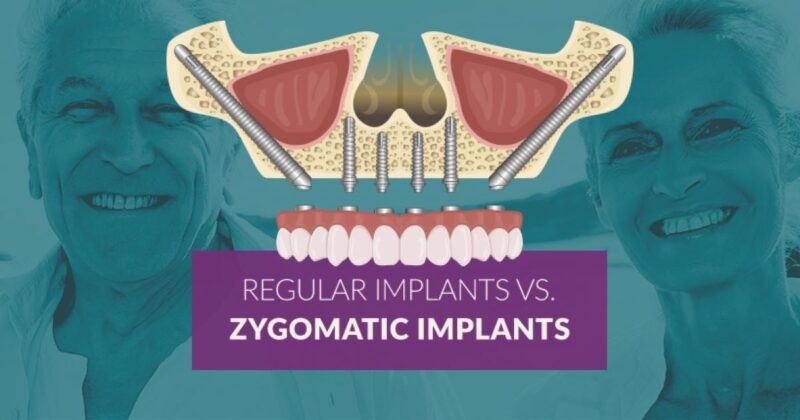
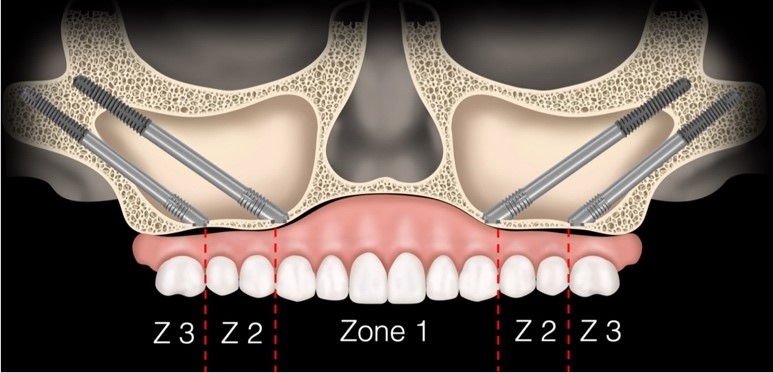
Immediate loading of zygomatic implants is the process of immediately placing the crown after the implant. In other words, this means that there is no other stage surgery where a healing period follows and the implants are placed at a later date. This has its advantages as well as disadvantages. The main advantage of immediate loading is that it saves time and results in increases comfort by reducing the healing period from three weeks to one week.
Who Is This Blog For?
This blog on the immediate loading of zygomatic implants is for patients considering this procedure who want to understand the trade-offs before committing. It is especially useful for those with a time crunch, such as work or travel deadlines, since immediate loading significantly shortens the healing period. It is also relevant for patients with limited bone in the maxilla who may not qualify for conventional implant approaches. And for anyone weighing faster recovery against a higher risk of complications, this blog lays out both the benefits and downsides clearly.
Conditions for Immediate Loading of Zygomatic Implants
Immediate loading works best for patients who are younger and who have healthy bone and soft tissue. It is also ideal for patients who have less empty space for the implant and patients who need to travel in a short period of time. People who are healthy and young are the best candidates for immediate loading. People who need immediate loading are often in a time crunch to get their implants because of work or travel. The best candidates have less empty space in the maxilla and healthy bone and soft tissue.
Benefits of Immediate Loading of Zygomatic Implants
- There is less postoperative discomfort.
- Patients can eat better and travel soon after the surgery.
- Immediate loading can be done for patients who need to travel or who have less bone and soft tissue in their maxilla.
- The success rate of the bony portion of the implant is high, so the metal portion doesn’t get compromised.
- Immediate loading reduces the healing period from three weeks to one week.
- Immediate loading can be done with both an end osseous and an exosseous approach with bone grafting.
- Patients can get their new teeth for less money because there is no second surgery with the implant.
Cons of Immediate Loading of Zygomatic Implants
Although immediate loading has its benefits, it also comes with downsides. Some of them are:
- The rate of failure of the zygomatic implant is higher, so the dentist might have to redo the surgery.
- The soft tissue healing is slower, so the gums need to be monitored closely.
- The infection rate is higher because the gums are slower to heal.
- Also, zygomatic bone graft has a higher rate of failure as well.
- The risk of an intra-oral hematoma is higher because the gums are slower to heal.
What Is Immediate Loading of Zygomatic Implants?
Immediate loading means attaching a fixed provisional dental prosthesis to the zygomatic and supporting implants on the day of surgery or within approximately one week of implant placement. It does not mean that the implants have completely healed or integrated with the bone. Biological healing continues for several months, during which the provisional teeth must protect the implants from excessive or uneven forces.
Why Are Zygomatic Implants Immediately Loaded?
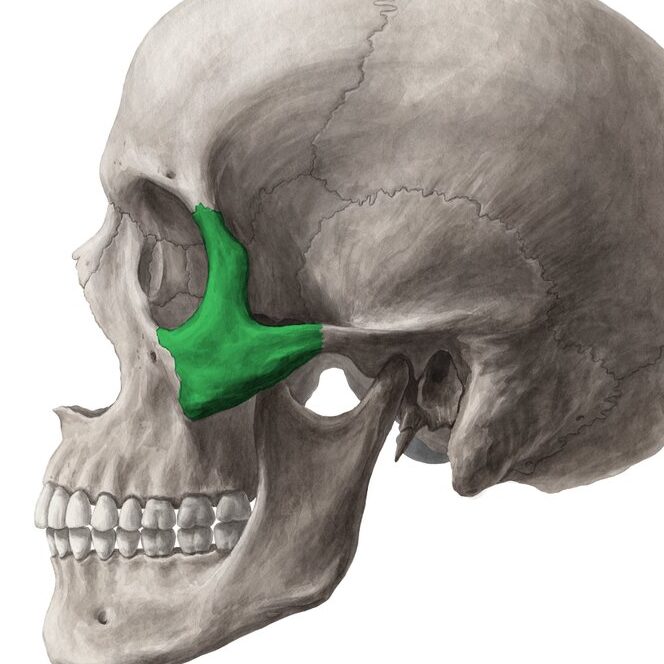
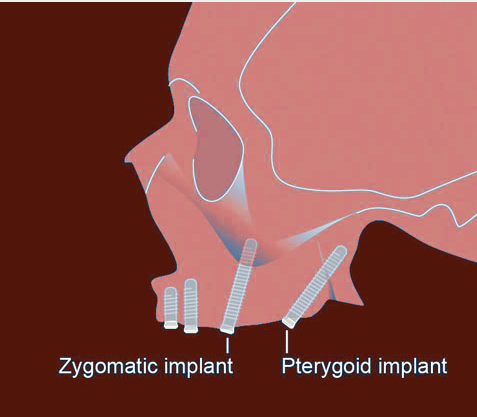
Zygomatic implants are mainly used when severe upper-jaw bone loss makes conventional implant placement difficult without extensive bone grafting. Because they obtain anchorage from the cheekbone, they may achieve sufficient initial stability to support a rigid fixed provisional bridge. The implants are normally connected through a full-arch prosthesis. This rigid connection helps distribute biting forces across the implant arrangement rather than loading an individual implant separately.

Who May Be Suitable for Immediate Loading?
- Adequate primary stability of the implants
- Appropriate number and distribution of implants
- Ability to connect the implants with a rigid fixed bridge
- Suitable prosthetic space and jaw relationship
- Controlled bite forces
- Absence of uncontrolled oral or sinus infection
- Acceptable general health
- Ability to follow dietary, cleaning and review instructions
What Happens During Treatment?
- Clinical examination and medical-history assessment
- CBCT evaluation of the upper jaw, cheekbone and sinuses
- Digital or conventional prosthetic planning
- Placement of zygomatic and any additional implants
- Attachment of a fixed provisional bridge
- Fixing of prosthetic dental crown
How Successful Is Immediate Loading?
An ITI consensus review reported estimated zygomatic implant survival of approximately 98.1% with immediate-loading protocols over a mean follow-up of around six years. However, this finding was based mainly on case-series evidence and cannot guarantee the same result for every patient. Success also requires a stable, functional and maintainable prosthesis, healthy soft tissue and sinus conditions, and continued professional follow-up.
Possible Risks and Maintenance
- Failure of an implant to integrate
- Sinus-related complications
- Soft-tissue inflammation
- Chipping or fracture of the provisional teeth
- Bite-related overload
- Need for adjustment, repair or additional surgery
Conclusion
The zygomatic implants procedure is the process of immediately placing the implant after the second stage surgery. In other words, this means that there is no third stage surgery where a healing period follows and the implants are placed at a later date. There are benefits and downsides to this procedure. These depend on the condition and health of the patient. The best candidates for this procedure are young and healthy people who have less empty space in the maxilla and healthy bone and soft tissue.
FAQs
Are the teeth given on the same day permanent?
The first fixed teeth are usually provisional. A definitive prosthesis may be made after healing, depending on the treatment protocol and patient’s clinical condition.
Can elderly patients receive immediately loaded zygomatic implants?
Possibly. Age alone is not a contraindication. General health, medications, sinus condition, implant stability and ability to maintain the prosthesis are more relevant.
Can I eat normally immediately after surgery?
Patients can usually eat with the provisional teeth, but a soft or modified diet is commonly advised during early healing. Hard or excessive chewing may overload the implants and prosthesis.
Medical Disclaimer
This article is for patient education only. Dental treatment should be planned after clinical examination, medical history review, and X-rays or scans where required. Treatment suitability, cost, timeline, healing, and results vary from patient to patient.