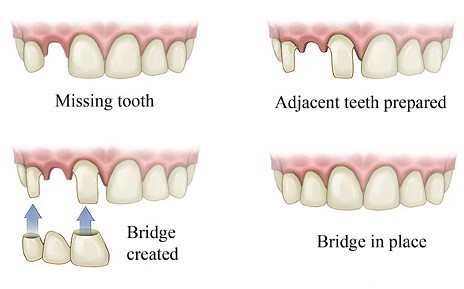
Dental implants are a great option for replacing missing teeth. They are the perfect solution for anyone who has lost a single missing tooth or multiple missing teeth. Implants replace almost any missing teeth, including your front ones. Those who have lost teeth as a result of diseases such as diabetes, age, accidents and other complications need to take action soon in order to avoid further tooth loss and other complications. Implants can be an amazing solution in this case! Here are some reasons why people get implants!
Why Do Patients Get Dental Implants is a common question for people who have one or more missing teeth and want a fixed replacement option. Dental implants help restore chewing comfort, speech, smile appearance, and long-term oral function by supporting crowns, bridges, or full-mouth fixed teeth.
Who is This Article For?
This article is for patients who have missing teeth and want to understand why dental implants are recommended as a tooth replacement option. This blog helps patients understand how dental implants can support fixed teeth, improve chewing comfort, restore smile confidence, and act as a long-term alternative to removable dentures or traditional bridges.
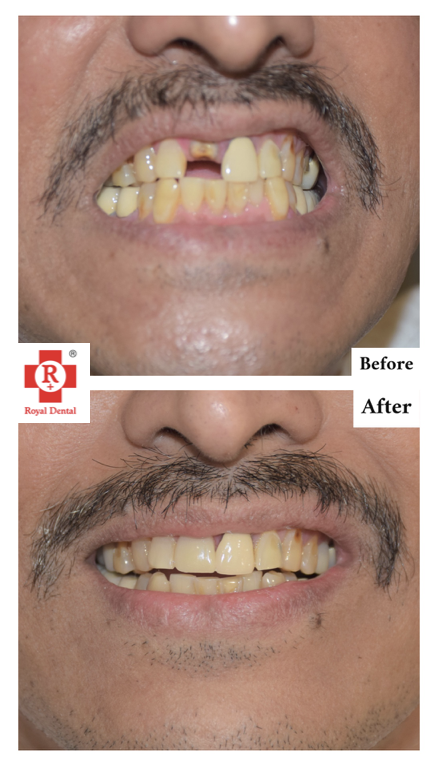
To fix a single missing Tooth
Single missing tooth lost replaced with implants, but this should happen as soon as possible. The longer you wait, the less likely it is that the implant will work and you will have a successful treatment. When a tooth lost and not replaced, the jawbone shrinks. This called the process of resorption. If a tooth not replaced within a year, the same area support the new teeth that will grow and fill the gap. Therefore, dental implants can help fix a lost tooth as they replace the root of this tooth, which is still in your jaw, and the surrounding bone.
Patient Testimonial on Youtube!
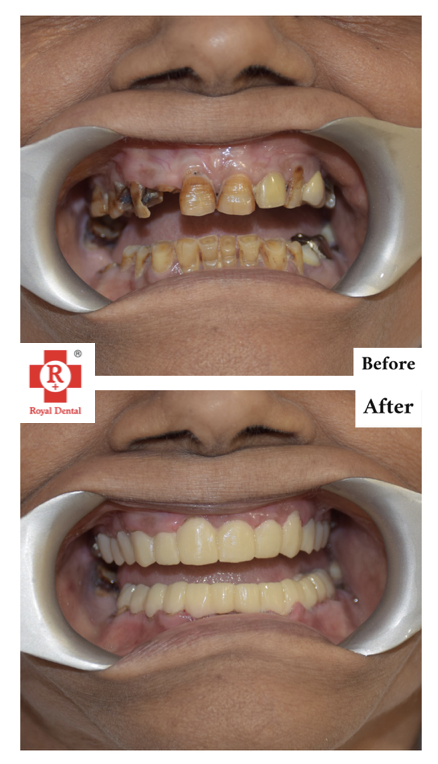
To replace multiple missing Teeth at once
If you have lost multiple missing teeth and you are looking for a more permanent solution, dental implants are the perfect option. Dental implants can be used to replace multiple teeth at once, which makes them a great solution for people who have lost a lot of teeth. Dental implants are a more permanent option compared to dentures. Unlike dentures, dental implants are fixed in the mouth and cannot be taken out. This makes them more stable and durable, which is why people even use them to replace their front teeth.
Doctor Speaks on Placing Fixed Teeth!
To fix your Bite alignment
If you have lost teeth, there is a chance that you might be grinding your teeth. This can destroy your tooth enamel, leading to cavities and eventually tooth loss. By replacing a lost tooth with implants, you are fixing your bite. The missing teeth might have been in the way of your other remaining teeth, causing them to grind together. With dental implants, you can replace the missing teeth and stop your other teeth from grinding.
Dental implants are a great option for replacing missing teeth
Implants can help you regain your smile and confidence. When you lose teeth, your bite is altered, leading to a crushed jaw that has to be fixed with crowns and plates. They can help you regain your confidence and smile again, giving you the perfect solution for someone who needs a more permanent solution.
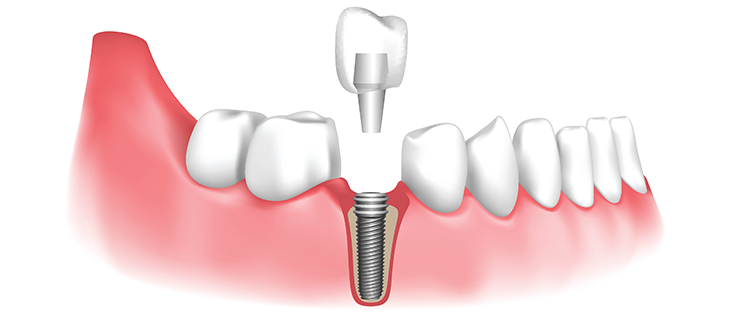
Implants can help prevent further bone loss
If you are missing teeth, your remaining teeth become less stable. This is because there is less support for your remaining teeth. If your teeth are not stable, there is a chance that they will fall out, which can lead to more complications. Dental implants can help support your remaining teeth, preventing further loss.
Conclusion
Dental implants are the perfect solution for replacing missing teeth. They can be used to replace a single tooth, multiple teeth or even your entire mouth. Dental implants can help fix a lost tooth, replace multiple teeth at once, fix your bite and regain a nice smile. They can also help prevent further loss and complications. So How did you like this Why do patients get Dental Implants? please share it your freinds.
FAQs
1. Why do patients get dental implants?
Patients get dental implants to replace missing teeth, improve chewing comfort, restore smile appearance, and support better oral function. Dental implants can be used for a single missing tooth, multiple missing teeth, or full-mouth replacement depending on the patient’s condition.
2. Can dental implants replace one missing tooth?
Yes, dental implants can replace one missing tooth by acting like an artificial tooth root inside the jawbone. A crown is then fixed over the implant to restore the missing tooth area.
3. Can dental implants replace multiple missing teeth?
Yes, dental implants can be used to replace multiple missing teeth. Depending on the case, implants may support individual crowns, an implant-supported bridge, or fixed full-mouth teeth.
4. Do dental implants help with chewing and bite alignment?
Dental implants can help improve chewing support and bite balance when missing teeth are properly replaced. A dentist must check the bite, jawbone, gums, and remaining teeth before planning treatment.
5. Are dental implants better than removable dentures?
Dental implants are fixed in the mouth and may feel more stable than removable dentures for many patients. However, the right option depends on oral health, bone support, budget, comfort, and treatment goals.
6. How do I know if dental implants are right for me?
A consultation is needed to check your missing teeth, jawbone support, gum health, bite, medical history, and X-rays or scans. After this evaluation, the dentist can suggest whether dental implants are suitable for your case.
Medical Disclaimer
This article is for patient education only. Dental treatment should be planned after clinical examination, medical history review, and X-rays or scans where required. Treatment suitability, cost, timeline, healing, and results vary from patient to patient.