
Today’s smile isn’t just about aesthetics; it’s about your overall appearance and self-confidence. A beautiful smile can help you feel more confident in social situations and at work. That’s why it’s important to have the right teeth. Whether you have just a few missing teeth or you have serious tooth loss, dental implants can help you achieve the smile you have always dreamed of. But which one is right for you? To help you decide, read on to learn more about how strong are implants compare to natural teeth.
What is a dental implant?
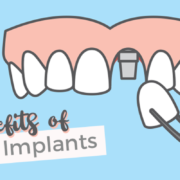
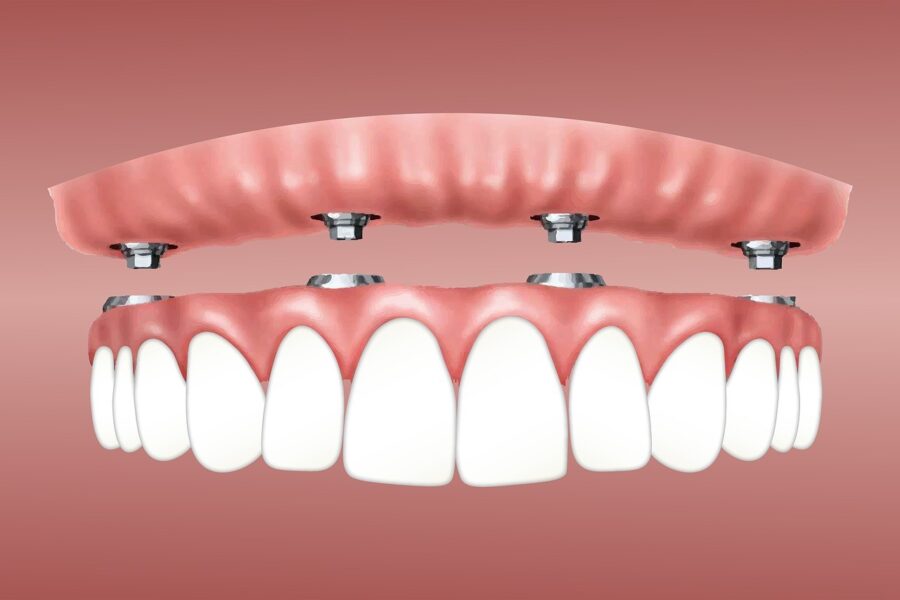
A dental implant is a tooth root replacement. When a patient has a tooth that needs to be removed, the dentist will use an implant to replace the root of the tooth. The implant secured in place with bone cement, and over time, the bone will grow around it. This natural growth makes it difficult to pull out an implant because it bonds with your jawbone.
Are dental implants as strong as natural teeth?
Dental implants can provide strong support for fixed teeth, but they are not exactly the same as natural teeth. Natural teeth have a periodontal ligament that absorbs shock, while implants are fixed directly into bone. Implant strength depends on bone quality, implant position, number of implants, bite force, crown material, gum health, oral hygiene, medical health and follow-up care.
How to protect dental implants?
Avoid chewing ice, hard objects or very sticky foods. Maintain hygiene around the implant, attend follow-up visits, get bite checks and report any looseness, pain or food lodgement early.
Dental implants with SAPTeeth is trending!
The Dental Industry is buzzing with research for providing solutions to missing teeth for the ageing population with weak or less bones. Dental implants are now being used for geriatric patients, who in most cases have no teeth. Teeth implants are now also possible in one day, along with ‘teeth-in-a-day’. The implant made of titanium and the SAPTeeth dental crown attached over it.
New Natural teeth can restore your beautiful smile!
If you’re missing teeth, dental implants can help you get the smile you’ve always wanted. Unlike dentures or bridges, dental implants are permanent and natural-looking. They designed to look and feel like real teeth. Dental implants made of titanium and they work just like your natural teeth would. Attach themselves to your jawbone, so they can’t like dentures. Dental implants come in a variety of shapes and sizes to meet your needs.
You can choose from three different types: fixed (rooted), non-fixed (unrooted), or partially fixed (also called hybrid). Your dentist will recommend which type is best for you, depending on your bite, bone density, and lifestyle.
How strong are Implants compared to natural teeth?
The bite strength of a dental implant is between 80- to 90-percent the strength of a natural tooth. If you’ve lived with dentures, bridges, or weak/diseased teeth for any period, you understand the importance of a firm bite.
Many mumbai residents who are considering replacing missing teeth or teeth that extracted due to an infection or other hygienic or cosmetic reasons, are curious about the differences between their tooth replacement options: dental implants, dentures, and dental bridges. Our dentists assure these patients that nothing compares to the strength and durability of dental implants. They’re just that superior!
Dentures replace an arch or a mouth full of missing teeth; something dental implants can also accomplish. But traditional dentures are removable. You take them out of your mouth every night and secure them every morning with a dental paste. Since the only thing holding your dentures in place is a paste, you’re at risk for them slipping and sliding throughout the day as you speak and eat, and must avoid chewy and crunchy foods to reduce this risk.
Why crown material matters?
The visible tooth over the implant may be made from different materials such as ceramic, zirconia, metal-ceramic or SAPTeeth. The material affects chewing comfort, aesthetics, repairability, shock absorption and long-term maintenance.
SAPTeeth Dental Crown
Similarly, dental bridges, which are typically designed to replace a single missing tooth, are secured only by crowns placed on your adjacent teeth. Since there’s nothing connecting the bridge to your bone, bridges are at risk of cracking and breaking as you bite and chew on your foods. They just aren’t as strong as your natural teeth unless you have SAPTeeth.
Implants will last much longer than other dental restorative procedures. Bonding typically will last a year or two, and dentures often have a life expectancy of about five years. But implants are said to have a 98% initial success rate and a 95%success rate after ten years — for many people, they may last a lifetime.
Dr Chirag Chamria
Natural teeth like SAPTeeth
- A property of SAPTeethTM allows the light to reflect naturally from your tooth. This gives the excellent aesthetics for better patient acceptability!
- SAPTeeth is fixed over the natural tooth with cement similar to SAPTeeth. This allows better bonding of prosthesis with implant or natural tooth.
- It gives greater strength as compared to multi-layered ceramic/porcelain/zirconia or metal prosthesis.
Choosing Our Doctors for Dental Implants Placement
For a young cosmetic patient long-lasting, plaque resistant material is a boon. Whereas for a middle-aged one; a functionally working prosthesis that can take the daily load is needed. In an elderly person, functional and cosmetic acceptable solution is required over a weak bone structure. SAPTeethTM is a one-stop solution for all age groups.
FAQs
Can I chew normally with dental implants?
Many patients can chew comfortably after healing, but heavy chewing should begin only when the dentist confirms stability.
Are implants stronger than dentures?
Implants usually provide better stability than removable dentures in suitable patients.
Can dental implants break?
The implant is strong, but crowns, screws or prostheses can chip, loosen or break under excessive force.
Do implants feel like natural teeth?
They can feel stable while chewing, but they are different from natural teeth because they do not have a natural periodontal ligament.
Do implants need maintenance?
Yes. Implants need brushing, cleaning around the prosthesis, bite checks and regular follow-up.
Medical Disclaimer
This article is for patient education only. Dental treatment should be planned after clinical examination, medical history review, and X-rays or scans where required. Treatment suitability, cost, timeline, healing, and results vary from patient to patient.