Clinical Research Publications by Dr. Chirag Chamria
Author: Dr. Chirag Chamria | Date: 12-05-2026
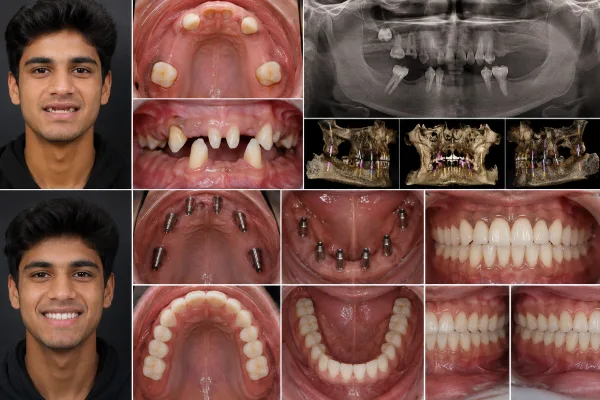
Full-Mouth Rehabilitation of an 18-Year-Old Male with Non-Syndromic Partial Anodontia Using Monobloc Basal Implants and CAD-CAM Polymer Prostheses: A Case Report with 1-Year Follow-Up
Tooth agenesis is one of the most common developmental anomalies of the craniofacial complex and includes hypodontia and oligodontia, depending on the number…
Author: Dr. Chirag Chamria | Date: 26-04-2026
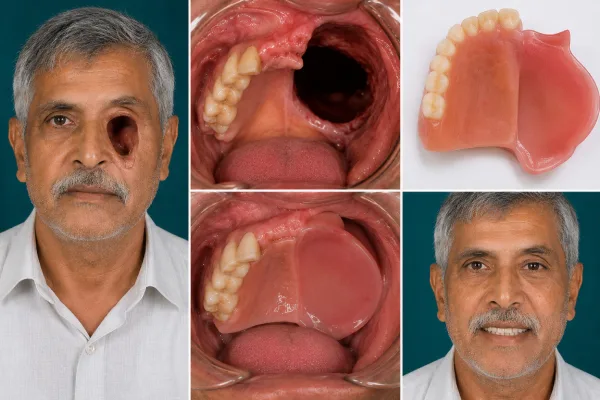
Single-Visit Digital Obturator Rehabilitation Following Hemimaxillectomy: A Clinical Case Report
Maxillary defects following hemimaxillectomy for oral cancer cause major functional and psychosocial disability because speech, swallowing, mastication, facial support, and oral competence may all be compromised…
Author: Dr. Chirag Chamria | Date: 07-05-2026
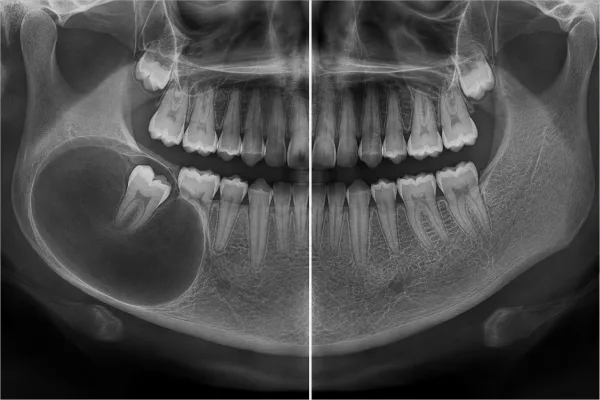
Long-Term Radiologic Healing After Enucleation of a Large Dentigerous Cyst Associated with the Mandibular Second Molar in a Child
Dentigerous cysts most commonly involve mandibular third molars, whereas association with mandibular second molars in children is uncommon but documented in literature…
Author: Dr. Chirag Chamria | Date: 22-12-2025
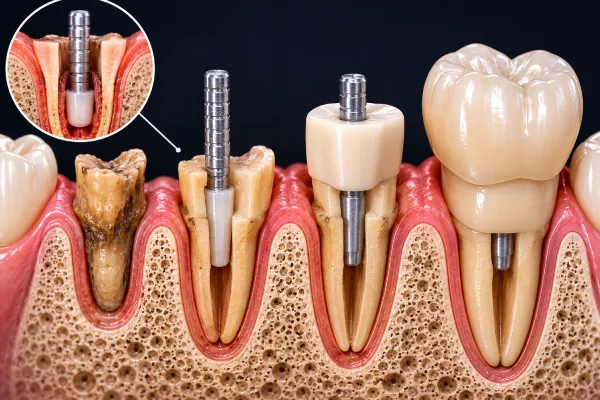
Saving Natural Root Pieces with Post-and-Core and Polymer Reinforced Crowns: A Clinical Case Series
– Teeth with minimal remaining coronal structure are often considered candidates for extraction and implant placement. However, extensive evidence shows that endodontically treated teeth restored…
Author: Dr. Chirag Chamria | Date: 10-01-2026
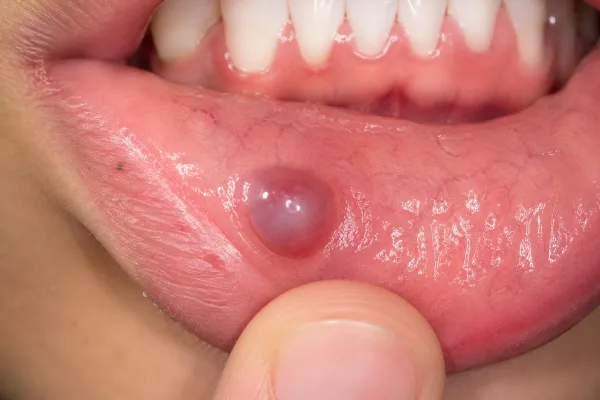
Oral Mucocele of the Lower Lip: A Case Series and Review of Management
Oral mucoceles are common benign lesions of the minor salivary glands, frequently involving the
lower lip. They arise due to trauma-induced rupture or obstruction of salivary ducts, leading to mucus accumulation…
Author: Dr. Chirag Chamria | Date: 02-01-2026
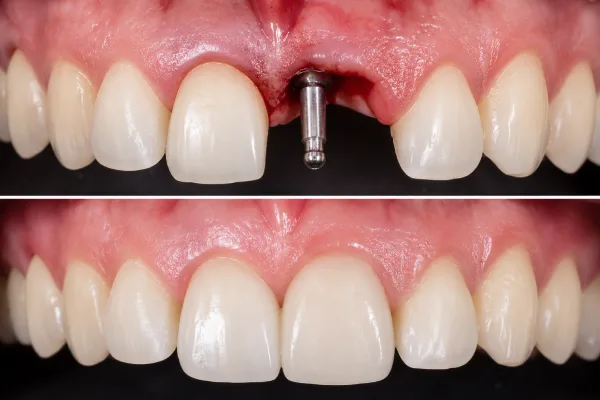
Role of monobloc dental implants in the rehabilitation of anterior dentoalveolar trauma: A two-case report with long-term follow-up
Anterior maxillary trauma often results in tooth loss and alveolar damage, creating significant esthetic and functional challenges in young adults….
Author: Dr. Chirag Chamria | Date: 04-12-2025
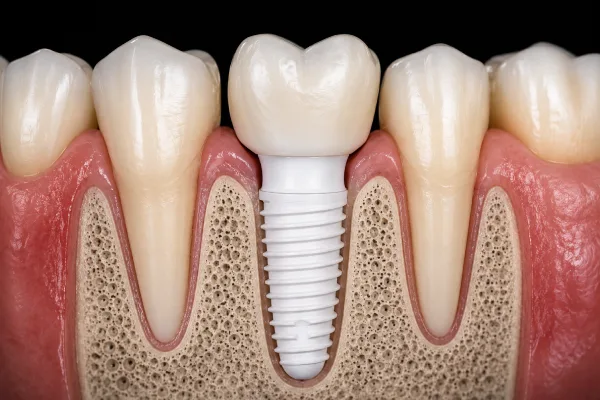
Clinical Performance of Roughened Single-Piece Zirconia Dental Implants: A Retrospective Case Series
Zirconia dental implants are a metal-free alternative to titanium with potential advantages in aesthetics, soft-tissue biocompatibility, and plaque affinity. Systematic reviews report high long-term survival for one-piece zirconia implants…
Author: Dr. Chirag Chamria | Date: 24-11-2025
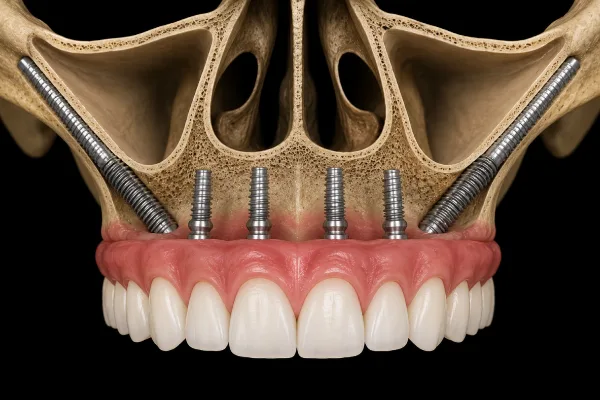
Zygomatic Implants Under Local Anaesthesia: A Retrospective Case Series
– Zygomatic implants (ZIs) offer a well-established alternative to extensive bone grafting for rehabilitation of severely atrophic maxillae with sinus pneumatization, where conventional implants are not feasible without major augmentation. 1–4 Since Brånemark et al.
Author: Dr. Chirag Chamria | Date: 14-04-2026
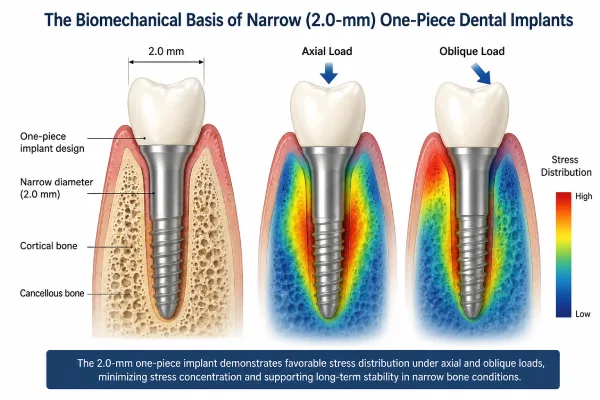
The Biomechanical Basis of Narrow (2.0-mm) One-Piece Dental Implants
– A 2.0-mm one-piece implant should not be viewed as a miniaturized conventional implant but as a moment-sensitive implant system. Its success depends on converting a slender, fatigue-vulnerable geometry into a low-moment, well-supported, load-sharing restoration…
Author: Dr. Chirag Chamria | Date: 30-03-2026
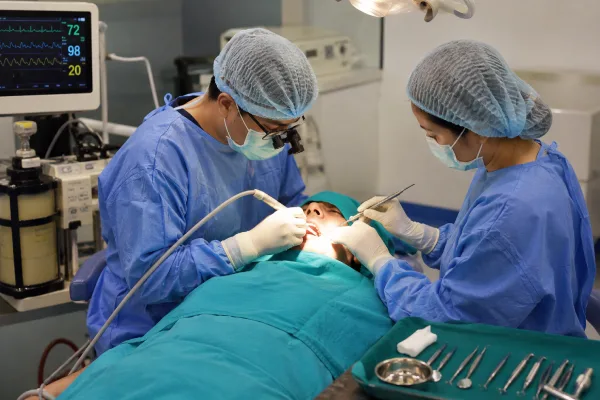
Comprehensive dental rehabilitation under general anaesthesia in a 28-year-old adult male with autism spectrum disorder: A case report and review of behavioural and clinical management strategies
– This case demonstrates the importance of providing timely and comprehensive dental treatment under GA for adults with ASD who cannot cooperate with conventional care.
