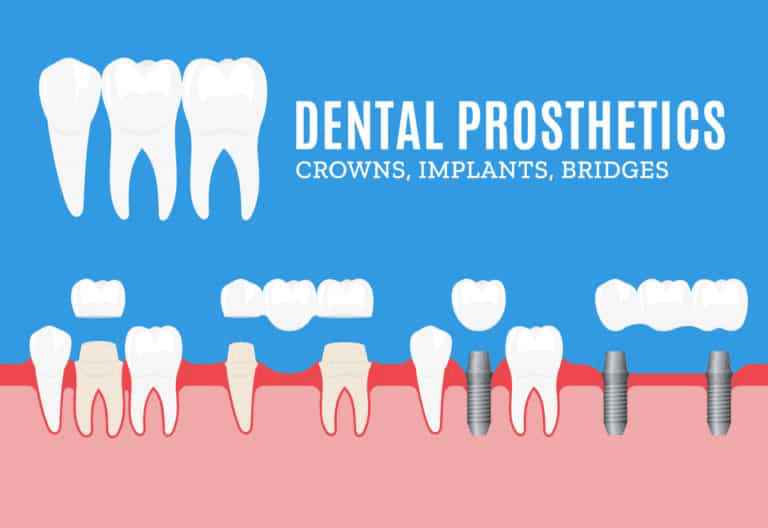
A dental crown should remain securely attached during normal chewing. If it repeatedly becomes loose or falls out, simply recementing it may not solve the underlying problem. Common causes include inadequate remaining tooth structure, decay beneath the crown, failure of the dental cement, an unsuitable crown fit, tooth fracture, or excessive bite pressure from clenching and grinding. A dentist should examine both the crown and the supporting tooth before deciding whether it can be recemented or needs replacement.
What’s the issue with Dental Crowns?
The short answer is that a crown that doesn’t fit right isn’t a crown at all — it’s just a loose piece of metal with no real connection to the tooth. This means that it’s going to wear away faster and look terrible long before the tooth would have needed to be replaced without the crown. Moreover, it’s a major dental health hazard to keep a crown from falling out or coming loose in the mouth — it can trap food and bacteria in a way that leads to plaque and gum disease. These problems can be especially bad when zirconium is involved.
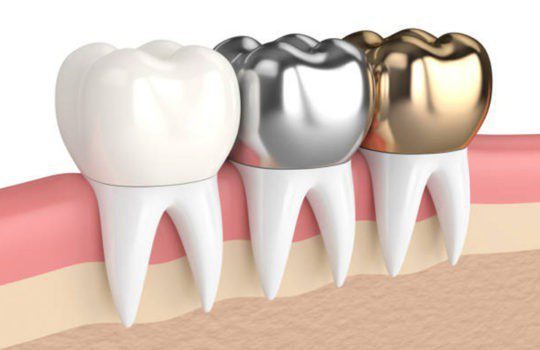
The harder material wears away the adjacent tooth structure even faster than a gold crown would, and the low coefficient of friction makes it grind down the adjacent teeth at a much faster rate than a gold crown would. This can lead to major problems with bone loss if it isn’t caught and corrected pretty quickly.
Your Dentist may have missed fitting Dental Crown properly
If you’ve been to the dentist and gotten a zirconium crown, you may have also gotten a lecture about how you have to be careful not to bite too hard with that tooth. This is because the dentist may have tried to fit the crown improperly. This is a common mistake and can cause a crown to come loose.
First, the dentist may have tried to fit the crown too tightly. This will cause the tooth to get softer and the crown to become loose over time. Second, the dentist may have tried to fit the crown improperly. This can make the crown fit too tightly or too loosely. If the crown is too tight, the tooth will get softer over time and the crown will become loose. If the crown is too loose, the crown will become loose over time.
Tooth Root is too short for Dental Crown
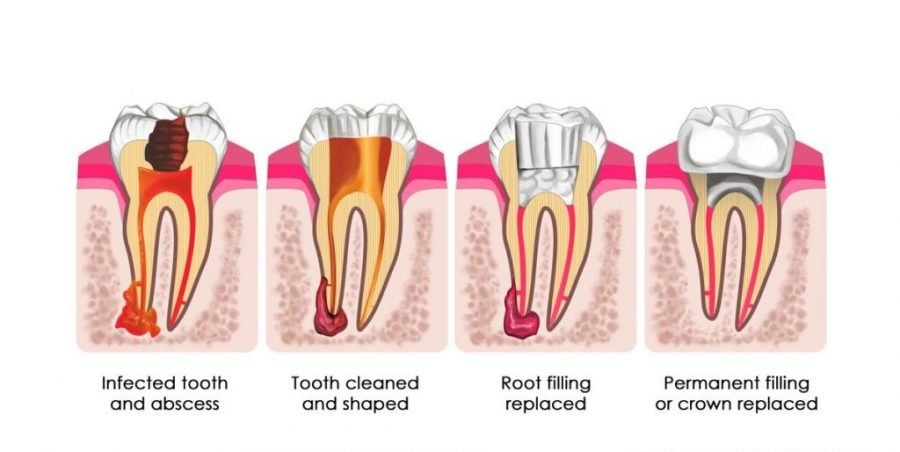
If the crown was put on a tooth that still has a decayed root, it may have to be removed at some point. The dentist will likely put a temporary crown on the tooth while the root is being treated. At the end of the treatment, the dentist will put a permanent crown on the tooth. If the tooth regrows its root but the dentist doesn’t put a long enough root in the new crown, the crown will come loose over time.
Underlying Tooth has been damaged post your Dentist Visit
If there was an accident or you suffered trauma to the mouth since your last dental visit, the tooth may have suffered some damage that wasn’t discovered and corrected. This is especially likely if you have a lot of fillings and other restorative treatments. If the dentist didn’t discover and repair the damage, the crown would become loose over time.
Something’s wrong with neighbouring Teeth or Bones
If there’s a problem with the other teeth or jaw in the mouth, the crown will become loose over time. Examples include teeth grinding, which can cause the other teeth to move around and damage the crown. It can also cause the crown to become loose. Another example is a gum disease problem. If the crown is touching gum tissue that is inflamed and infected, the crown becomes loose over time as the infection advances.
Why Does a Dental Crown Keep Coming Loose?
Insufficient tooth structure
A crown needs adequate tooth height and surface area for retention. Teeth that are severely broken, extensively decayed or heavily prepared may not provide enough support.
Decay beneath the crown
Decay can develop around the crown margin and weaken the underlying tooth. Recementing the crown without treating the decay can lead to repeated loosening.
Failure of dental cement
Dental cement can deteriorate because of moisture contamination, repeated stress, an inaccurate fit or ageing of the restoration.
Incorrect crown fit
A crown that does not closely fit the prepared tooth may depend excessively on cement for retention. Such a crown may require replacement rather than repeated recementation.
Excessive bite pressure
Teeth grinding, clenching or a high bite point can repeatedly load the crown and loosen it. Bite adjustment or a night guard may be advised after evaluation.
Fracture of the tooth or core
A crack in the remaining tooth, filling or post-and-core foundation can cause crown mobility. The treatment depends on whether the tooth remains restorable.
Can the Same Crown Be Recemented?
The crown may be recemented when:
- It is intact and fits accurately
- The supporting tooth is healthy
- There is no significant decay or fracture
- Adequate tooth structure remains
- The bite can be corrected
A new crown, core build-up, post, crown-lengthening procedure or another treatment may be required when adequate retention cannot be achieved.
What Should You Do If a Crown Falls Off?
- Keep the crown in a clean container.
- Do not use household glue or superglue.
- Avoid chewing hard or sticky food on that side.
- Keep the exposed tooth clean.
- Contact the dentist promptly.
- Seek urgent care if there is swelling, severe pain or difficulty swallowing.
Conclusion
Constant clenching or grinding of the teeth can cause a crown to become loose. Tooth decay, also known as cavities, can change the structure of the tooth and in turn, will cause the crown to be loose. Any form of trauma can cause a dental crown to become loose. A loose crown can be very unsettling, but it is also a very common problem. Fortunately, if the crown is in good shape, your dentist can easily cement it back in place. The sooner you call your dentist, the better. This is because the dentin underneath the crown is very vulnerable to damage and decay.
FAQs
Is a loose crown a dental emergency?
It is usually not life-threatening, but it should be assessed promptly to protect the exposed tooth and prevent decay or fracture.
Why does my crown keep falling off after a root canal?
Possible causes include insufficient tooth structure, failure of the core or post, decay, crown-fit problems, or excessive bite pressure.
Can a loose crown be permanently recemented?
Yes, if the crown fits properly and the supporting tooth is healthy. Repeated loosening usually requires investigation before recementation.
Can grinding make a dental crown loose?
Yes. Clenching or grinding can place repeated forces on the crown, cement and supporting tooth.
Will I need a new crown?
A new crown may be required if the existing crown is damaged, poorly fitting, decayed at the margin or cannot obtain adequate retention.