
A dental implant is an artificial tooth root used to replace a missing tooth root. It is placed into the jawbone and can support a dental crown, bridge or other implant-supported restoration. Importantly, a dental implant does not replace a healthy natural tooth. It is generally considered when a tooth has already been lost or cannot be predictably saved. A person can have dental implants alongside healthy natural teeth. The implant replaces the missing tooth while the remaining natural teeth continue to function normally. The current Royal Implant article correctly introduces an implant as an artificial tooth root, but later sections incorrectly suggest that natural tooth roots can be used to support an implant and that implants and natural teeth are interchangeable procedures.
Who Is This Article For?
- Patients missing one or more teeth
- People considering a single-tooth dental implant
- Patients wondering whether implants can coexist with natural teeth
- People deciding between an implant, bridge or denture
- Patients who have been advised to extract a damaged tooth
- Anyone wanting to understand how an implant-supported tooth works
What is a Dental Implant?
If you’ve ever wondered what a dental implant is and how it works. You’ll be happy to know that they’re relatively simple. An implant is a special type of artificial tooth root that is placed into your jaw where the tooth root would ordinarily go. In order to ensure that implants and natural teeth work harmoniously together. You’ll need to go through a procedure known as “implant placement,” during which your dentist will take an X-ray of your jaw and then drill a small hole in your jawbone.
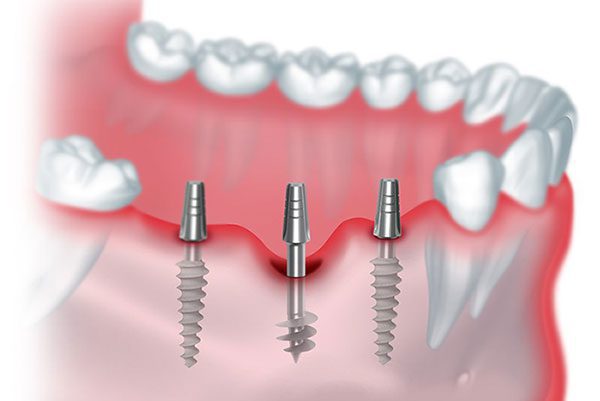
Once this is done, they will then place the implant in the hole and allow it to heal for a few months before beginning the crown placement procedure. Once you have received your teeth implant and natural tooth root support, you should be able to lead a very normal life with very few limitations. But before you decide to have implants and natural teeth put in, you should make sure that you are aware of the benefits that come with each option.
What is a Natural Tooth Root?
A natural tooth root is an essential part of a tooth that is naturally formed from bone and gum tissue. The size and shape of a natural tooth root vary depending on the type of tooth as well as your age and nutritional health. When a tooth becomes decayed or has to be removed because of an infection. A natural tooth root can be used to support a dental implant. Although having implants and natural teeth put in is great for your oral and overall health. There are some minor differences that set the two procedures apart.
Natural tooth roots will often be more challenging to work with because they do not always come in the perfect shape or size that is needed to support an implant. On the other hand, teeth implants are generally easier to place because they are manufactured in a lab and come in the exact size and shape that is needed. Another difference between dental implants and natural teeth is that dental implants typically last longer than.
Benefits of Dental Implants over Natural Teeth
When it comes to dental implants and natural teeth. There are many benefits to picking both procedures over one or the other. For starters, dental implants and natural teeth are both very effective at restoring your oral health. They can help you live a normal, healthy, and happy life. Another advantage is that dental implants and natural teeth are both relatively affordable procedures.
This means that you should be able to get them done regardless of your budget. Additionally, dental implants and natural teeth are both relatively safe procedures. You should be able to get these done without having to worry about suffering significant complications or side effects. Another advantage is that dental implants and natural teeth both come with a long-lasting lifespan. You should be able to use these for the rest of your life without having to worry about them breaking down or becoming decayed.
Differences between Implants and Natural Teeth?
As we’ve discussed above, there are many advantages to having dental implants and original teeth put in. However, there are also a few minor differences between the two procedures. For starters, dental implants and natural teeth are both long and complicated procedures that require a great deal of time, money, and patience. In fact, dental implants and natural teeth can take anywhere from a few months to a year or even more to complete.
Another difference is that dental implants come with their own risks. You should be sure to discuss these with your dentist and have a thorough examination before you decide to have them done. Moreover, dental implants and natural teeth are not suitable for everyone. You will need to meet certain requirements and have your oral health assessed before your dentist will be able to determine if you are eligible for either one or both of these procedures.
Should you get Implant or have your Natural Teeth?
Although dental implants and natural teeth are great procedures, they are not suitable for everyone. Some people, for example, may have dental implants and natural teeth put in. But find that only one of these procedures is helping their oral health. If this is the case, what you need to do is have a root canal procedure done for your natural teeth supported by dental implants. This way, both procedures will be able to work together and give you the results that you are looking for.
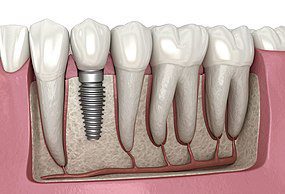
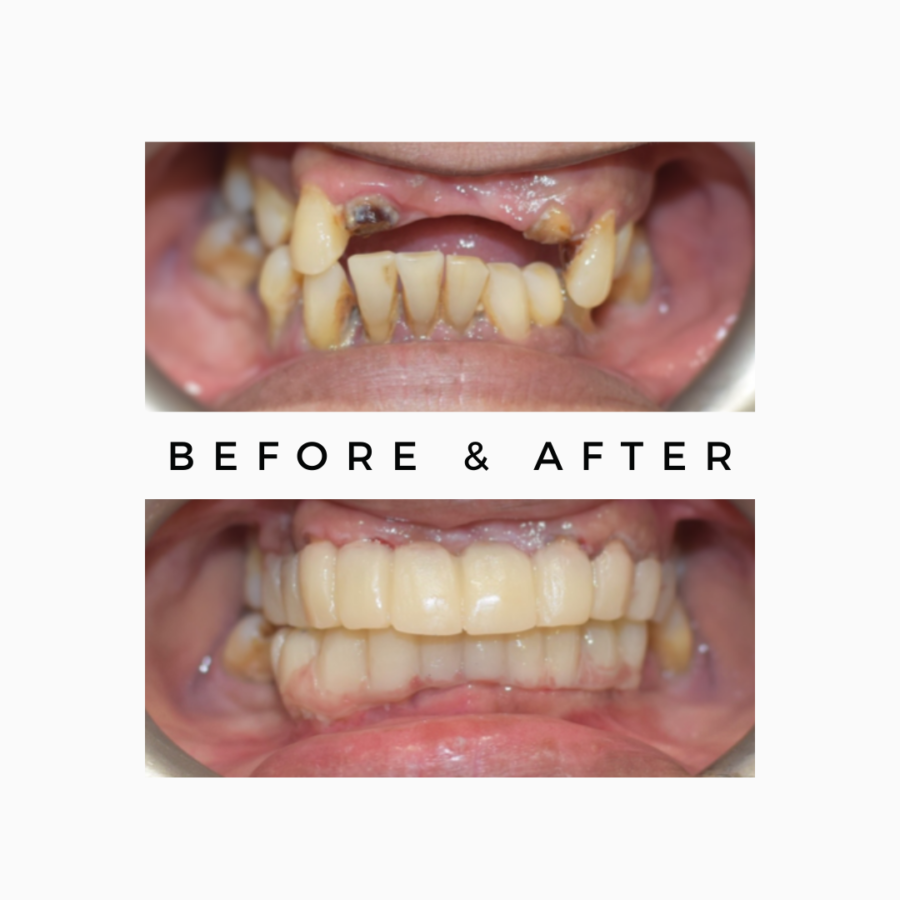
Another option that you have is to have a hybrid dental implant put in. Hybrid dental implants are the same as traditional implants but they have a small screw-like feature attached to their top that can be used to hold a crown in place. If you want to find out whether dental implants are right for you. Make sure to consult with your dentist to get a thorough oral health assessment done.
Conclusion
Dental implants are designed primarily to replace missing teeth, not healthy natural teeth. A dental implant acts as an artificial tooth root and can support a crown that restores the missing tooth. Patients can have implants alongside their remaining natural teeth, provided the implant is clinically appropriate. The most important decision is not simply choosing between a natural tooth and an implant. Instead, the dentist should first determine whether the natural tooth can be predictably saved. If it cannot, an implant may be one of several tooth-replacement options.
Frequently Asked Questions
Can I have a dental implant if I still have natural teeth?
Yes. A dental implant can replace a missing tooth while the surrounding natural teeth remain.
Are dental implants better than natural teeth?
A dental implant is not biologically the same as a natural tooth. When a natural tooth can be predictably preserved, dentists generally assess options for saving it before considering extraction and implant replacement.
Can an implant replace one missing tooth?
Yes. A single dental implant with a crown is one option for replacing an individual missing tooth.
Can dental implants be placed next to natural teeth?
Yes, provided the patient’s anatomy, gum health, bone condition and overall treatment requirements make implant placement appropriate.
Can natural teeth decay around dental implants?
Yes. Natural teeth can still develop cavities and gum disease even when neighboring teeth have been replaced with implants.
Do dental implants prevent bone loss?
An implant can help maintain bone at the implant site by replacing the function of a missing tooth root, although the degree of bone preservation varies between patients.
Can I get an implant immediately after tooth extraction?
In selected cases, an implant can be placed immediately after extraction. Whether this is appropriate depends on factors such as infection, bone availability, soft-tissue condition and implant stability.
Can dental implants last a lifetime?
Implants can provide long-term tooth replacement, but no treatment should be described as guaranteed to last a lifetime. Long-term maintenance and regular dental care remain important.