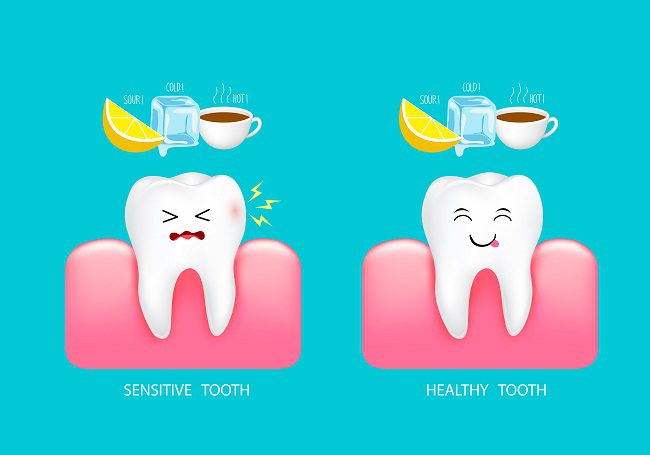
A dental implant itself cannot normally feel hot or cold because it does not contain a dental nerve. However, some patients experience sensitivity or pain around an implant while drinking cold water, eating ice cream or consuming hot food. The sensation may arise from an adjacent natural tooth, exposed tooth root, inflamed gum tissue, bite pressure or a problem with the implant-supported crown. Persistent or increasing sensitivity should therefore be examined rather than assumed to be normal. A dental implant sensitivity should not directly feel hot or cold. Learn why the area may feel sensitive, possible causes, warning signs and when to consult a dentist.
What is a Sensitive Dental Implant?
A sensitive dental implant is one that causes the person who has it a lot of pain when eating or drinking something hot or cold. Sensitivity is the result of a number of factors, one of which is that the implant has not been properly fitted. An implant might also be sensitive if the person who has it does not maintain proper oral hygiene. For example, if you don’t floss, bacteria are likely to gather around the implant, causing an infection. The infection can cause the surrounding tissue to swell, which may make the implant more sensitive. An implant might also be sensitive because the person who has it is grinding their teeth.
Are Dental Implants Sensitive to Hot and Cold?
When a person gets a dental implant, their body will start to produce new gum tissue around the implant. This is called the mucosal lining. Just like the lining inside your mouth, the mucosal lining is sensitive to hot and cold. That’s why dental implants are sometimes sensitive to hot and cold. To prevent this from happening, it is important to keep the surrounding area clean and healthy. This includes brushing, flossing, and rinsing daily.
You should also avoid eating anything that might irritate the surrounding tissue, such as very spicy food. You should also be careful that you do not grind your teeth. If you feel like you have sensitive teeth and you’re grinding them, you should see a dentist and ask if they can prescribe you some special grinding-reducing mouth wear.
How to prevent Dental Implant Sensitivity?
- First, you should always keep your mouth as clean as possible. Remember, bacteria accumulate around the implant and can cause an infection.
- An infection can make the surrounding tissue swell, causing the implant to become more sensitive. You should be careful not to eat anything that might irritate the surrounding tissue.
- This includes spicy foods, citrus fruits, and highly acidic foods. You should also avoid drinking anything that might irritate the implant, especially if you already have a sensitive implant.
- Avoid drinking too much alcohol and caffeine, which are both diuretics and can lead to dehydration. Another thing that you can do to prevent a sensitive dental implant is to make sure that you visit your dentist regularly for checkups.
- Your dentist can make sure that the implant is in the right position and that the surrounding tissue is healthy.
Tips for coping with a Sensitive Dental Implant
If you have a sensitive dental implant, there are some things that you can do to make it more comfortable. For example, you can rinse your mouth with baking soda or salt water. You should also be careful that you don’t overuse mouthwash, which can dry out the surrounding gum tissue and make the implant even more sensitive. You should also avoid eating or drinking anything too hot or cold.
If you need to drink ice-cold water, you can let it sit in the fridge for a while before drinking it. If you’re worried that you’ll accidentally drink something too hot, you can always wrap a cloth around your mug to protect your implant from the heat. Another thing that you can do is to get some special dental floss that is extra gentle and has a low abrasion value.
Can a Dental Implant Feel Hot or Cold?
Explain clearly that the titanium or zirconia implant and its crown do not contain a pulp or dental nerve. The surrounding gums and bone can feel discomfort, while adjacent natural teeth can remain temperature-sensitive.
Why Does My Dental Implant Area Feel Sensitive?
- Sensitivity from an adjacent natural tooth
- Gum recession and exposed root surface
- Recent implant surgery and temporary tissue irritation
- Food trapping between the implant crown and natural tooth
- An improperly fitting or loose implant crown
- Excessive bite pressure or teeth grinding
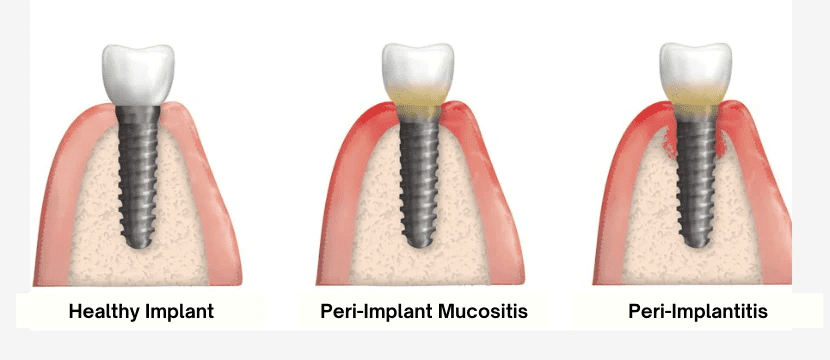
- Peri-implant mucositis or peri-implantitis
- Sinus-related discomfort in upper-jaw implants
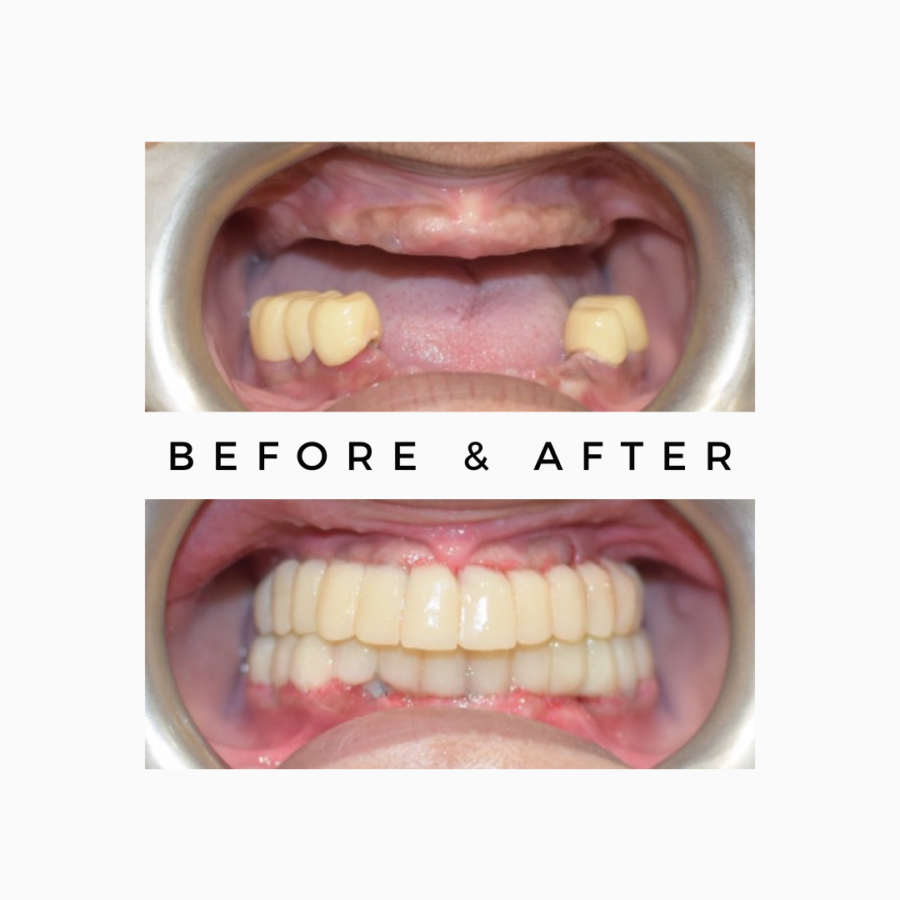
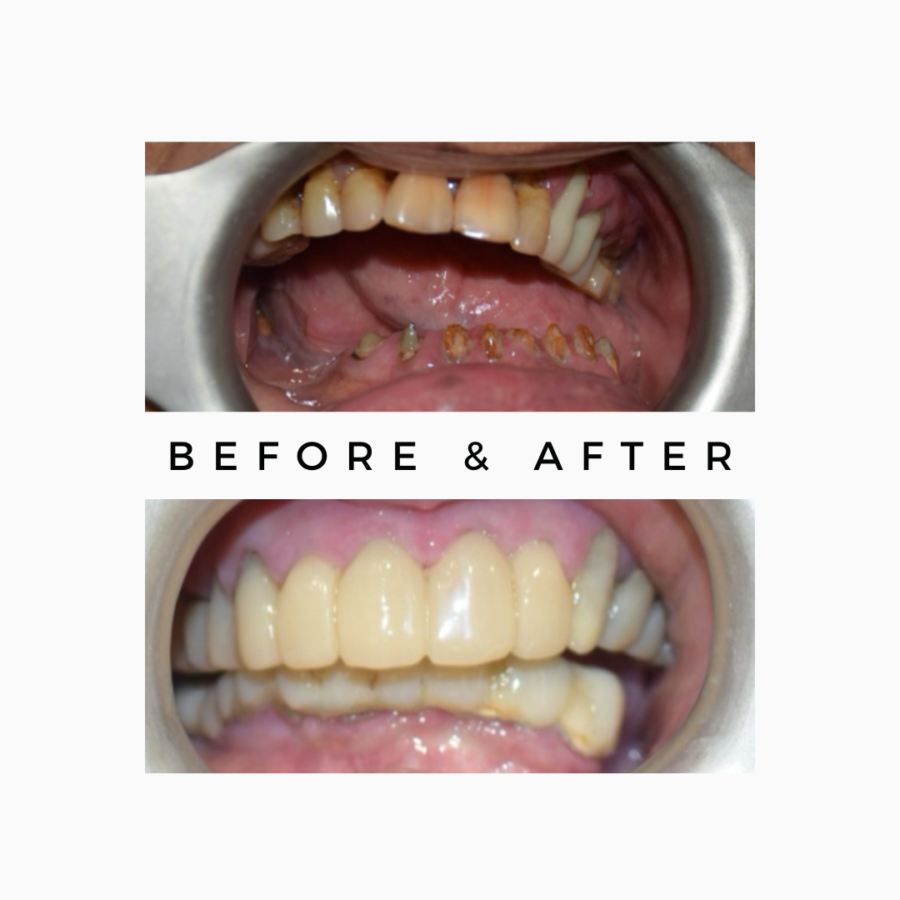
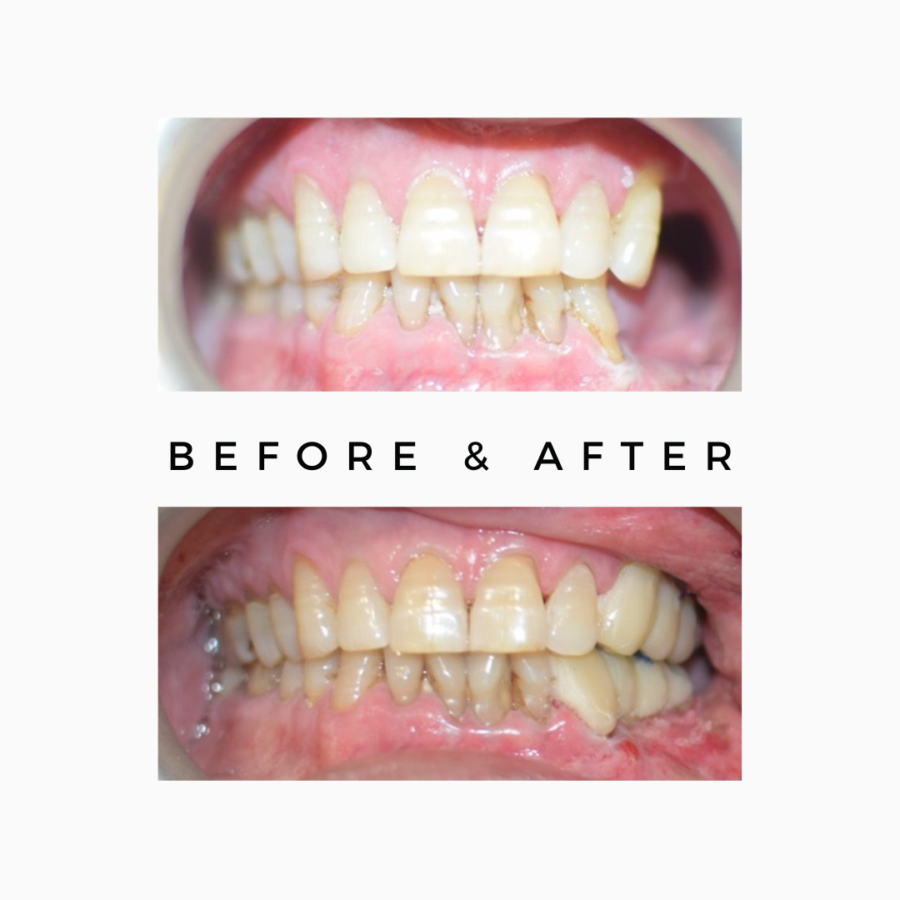
Signs of Infection Around a Dental Implant
- Red or swollen gums
- Bleeding while brushing
- Pus or an unpleasant taste
- Persistent pain
- Gum recession
- Increasing mobility
- Difficulty chewing
When Should You Contact Your Implant Dentist?
- Continues beyond a few days
- Becomes progressively worse
- Causes sharp or lingering pain
- Is associated with swelling or bleeding
- Begins months or years after implant placement
- Occurs while biting or chewing
- Is accompanied by crown or implant mobility

Treatment for Sensitivity Around a Dental Implant
- Treating the sensitive adjacent tooth
- Correcting a high bite
- Repairing or replacing the implant crown
- Cleaning food-trapping areas
- Managing gum inflammation
- Providing a night guard for grinding
- Treating peri-implant infection
Conclusion
When it comes to dental implants, it is important to be prepared for some challenges. Some people are even more sensitive to hot and cold after getting a dental implant. However, it is possible to prevent this from happening by cleaning your mouth properly and being careful about what you eat and drink.
FAQs
Can titanium implants conduct heat and cold?
The material can transmit temperature, but an osseointegrated implant has no internal dental nerve. A painful temperature response generally requires evaluation of the surrounding tissues and adjacent teeth.
Why does my implant hurt when I drink cold water?
The most common suspected source is a nearby natural tooth or exposed root, although gum inflammation, crown-related issues and bite overload should also be assessed.
Can peri-implantitis cause sensitivity?
It may cause tenderness, bleeding, swelling or discomfort, although temperature sensitivity alone is not diagnostic.
Can toothpaste for sensitive teeth help an implant?
It cannot desensitise the implant itself. It may help when the sensation comes from an adjacent natural tooth or exposed root.
Is Sensitivity Normal After Dental Implant Surgery?
Mild soreness during early healing may be expected, but sharp sensitivity to temperature is more likely to involve neighbouring teeth or another local problem. It should gradually improve rather than worsen.
Could the Adjacent Tooth Be Causing the Pain?
This is an important missing section. Tooth decay, a cracked tooth, leaking filling, gum recession or pulpal inflammation in the neighbouring tooth can produce hot-and-cold sensitivity that appears to come from the implant.
Can an Implant Crown Cause Sensitivity?
Discuss high bite points, looseness, cement remnants, poor contact and food lodgement. Open contacts around implant crowns are associated with plaque accumulation and peri-implant inflammation.