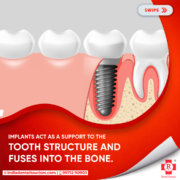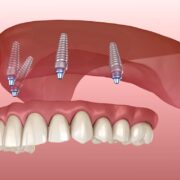


After a dental implant surgery, you may notice changes in your mouth and jaw. Most people feel a dull ache for a few days after the surgery. This is normal and will go away as your body heals. But other changes may be more noticeable. In the first few days after surgery, your mouth may feel swollen and sore. The pain will gradually subside as your body heals. Most people feel a dull ache for a few days after implant procedure. You may also notice changes to your speech and eating. Let’s read what to Expect After Dental Implant Procedure.
Your jaw may feel stiffer and more noticeable. This is because the bone around the implant has healed. The muscles will become stronger to support the implant. This can make it feel more prominent. Over time, your mouth will return to normal. You will have less discomfort and be able.
What is normal after dental implant surgery?
Mild swelling, soreness, bruising, minor bleeding and tenderness near the implant area can be normal after surgery. These symptoms should gradually reduce with medicines, soft food, rest and proper post-operative care.
Dental implant recovery timeline
During the first 24 hours, rest and avoid disturbing the area. Swelling may be more noticeable during the first few days. Gum healing may take a few weeks, while bone integration around the implant takes longer and varies from patient to patient.
What should you eat after implant surgery?
Soft food is usually advised after implant surgery. Avoid hard, crunchy, spicy, sticky or very hot foods until the dentist allows normal chewing. In same-day teeth cases, soft diet and bite control are especially important.
When should you call the dentist?
Call your dentist if pain increases after initially improving, swelling worsens after a few days, bleeding does not stop, pus is present, fever develops, numbness persists or the implant area feels loose.
What to expect after Dental Implant Procedure?
After a dental implant procedure, you may notice changes in your mouth and jaw. Most people feel a dull ache for a few days after the surgery. This is normal and will go away as your body heals. But other changes may be more noticeable. In the first few days after surgery, your mouth may feel swollen and sore. The pain will gradually subside as your body heals.
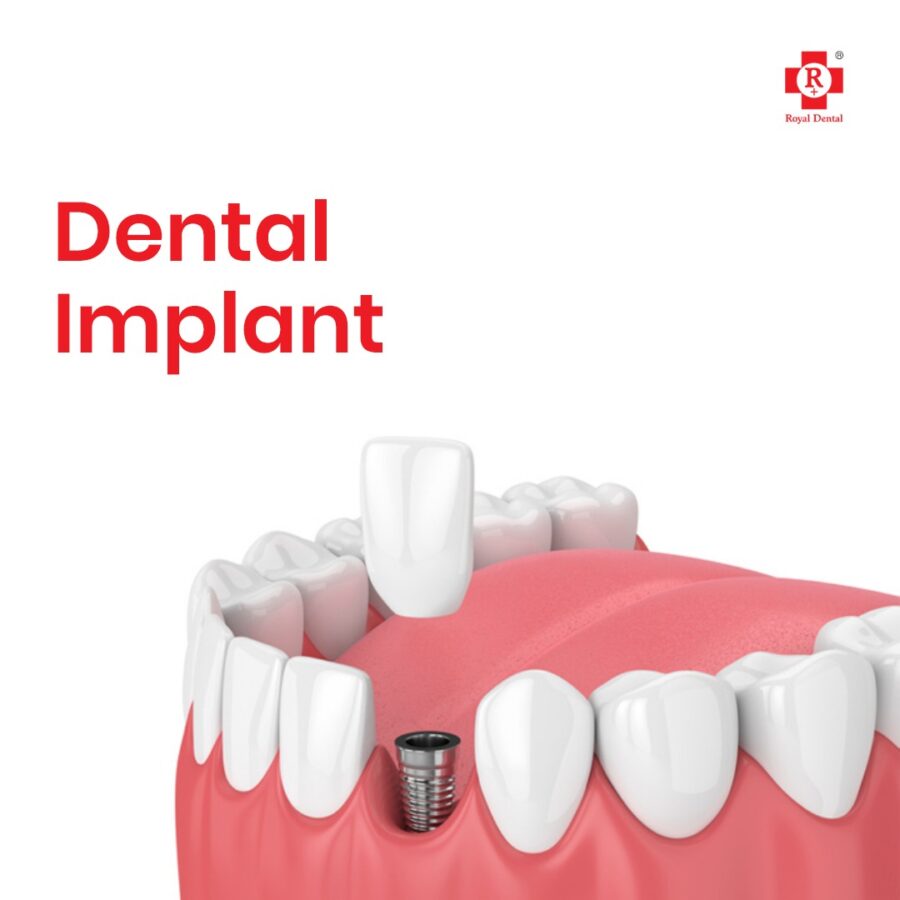
You may also notice changes to your speech and eating. Your jaw may feel stiffer and more noticeable. This is because the bone around the implant has healed. The muscles will become stronger to support the implant. This can make it feel more prominent. Over time, your mouth will return to normal. You will have less discomfort and be able to eat more comfortably.
Swelling and Pain
Your body will swell after a dental implant procedure because it is too large for your mouth. This will happen for a few days after surgery. The swelling will go down and you may have some pain. This is normal and will subside as your body heals. If the swelling is very severe, you may have a headache. But most people tolerate it well.
Speech Changes and Dental Implant Stiffness
After a dental implant procedure, your speech may be clearer and more natural. You may notice that your speech sounds are deeper, louder, or both. This is because your jaw muscles are stronger and supporting the implant better. Your speech may sound more uneven or raspy. This is also normal and will go away after your jaw heals.
Healing after Implant Surgery
The bone around the implant will heal around the implant. This means it may get darker. This adds extra support to the bone, making it stronger. Your mouth will become smaller as the bone shrinks and the bone around the implant shrinks too. This is normal as your body heals. You will also have an area in your mouth where the bone is still darker than the rest of your teeth. This is called a healing socket. It will go away in one to three months after surgery.
Risks and Complications of Dental Implant
One in every 20 dental implant patients will develop a blood clot in the lung. It’s a rare complication but serious. Your doctor may prescribe blood thinners if they are needed. A dental implant infection can be treated. One in five people will get a bacterial infection. It will usually go away without antibiotics. A metal fragment may get stuck inside your mouth. This is rare but can cause pain and a local infection.
What to expect from Dental Implant
As your mouth heals from a dental implant procedure, you may find it more difficult to eat and drink. This is because the implant must support your jaw muscles to help open your mouth. Your eating ability will return to normal in six months. You may need to take it slow eating hard foods like crunchy foods, ice cream, and seeds. You may also find it harder to brush your teeth. Most people can brush their teeth and eat at the same time. You may need extra help from your loved ones.
Conclusion
The procedure to place a dental implant is highly invasive and requires an experienced and qualified surgeon. The recovery process can be challenging and may take several weeks or months to fully recover from. You should always discuss your recovery expectations with your surgeon and/or medical team before any dental implant procedure.
This can help you better prepare for the surgery and understand what to expect after dental implant procedure. Now that you’re better informed about what to expect after a dental implant procedure, we encourage you to contact a qualified dental implant practice to learn more. From your initial consultation to the post-operative care, they can help you navigate through the process.
FAQs
Is swelling normal after a dental implant?
Yes. Mild swelling may be normal for a few days after implant surgery.
How long does pain last after dental implants?
Mild soreness may last a few days and should gradually improve. Severe or worsening pain needs evaluation.
Can I eat normally after dental implants?
Not immediately. Soft food is usually advised initially, and heavy chewing should be avoided until the dentist permits.
Can I brush after implant surgery?
Yes, but brush gently and avoid disturbing the surgical site. Follow the exact instructions given by your dentist.
When should I worry after implant surgery?
Worsening pain, swelling, pus, fever, uncontrolled bleeding, persistent numbness or looseness should be checked urgently.
Medical Disclaimer
This article is for patient education only. Dental treatment should be planned after clinical examination, medical history review, and X-rays or scans where required. Treatment suitability, cost, timeline, healing, and results vary from patient to patient.