An oral cancer diagnosis can be life-changing, but recovery does not end after cancer treatment. Oral Rehabilitation for Cancer Patients helps overcome challenges with speaking, chewing, swallowing, facial appearance, and overall oral function following surgery, chemotherapy, or radiation therapy. Oral rehabilitation plays a vital role in restoring these essential functions and improving quality of life. With advances in oral and maxillofacial surgery, reconstructive procedures, dental implants, and prosthetic rehabilitation, many oral cancer survivors can regain confidence and return to everyday activities. This guide explains what oral rehabilitation involves, who can benefit, and what to expect during recovery.
Who is this article for?
- Patients recovering from oral cancer surgery
- Individuals who have undergone radiation or chemotherapy for oral cancer
- Patients considering dental implants after oral cancer treatment
- Family members and caregivers supporting oral cancer survivors
- Anyone seeking to restore oral function and quality of life after cancer treatment
An Overview on Oral Cancer
Oral cancer is a type of cancer that develops in the tissues of your mouth, throat, or tongue. It can happen to anyone but the risk is higher for smokers and people who drink alcohol regularly. Oral cancer isn’t limited to just one form; there are several different types. The most common type is squamous cell carcinoma which starts in the cells lining the moist surfaces inside your mouth. Others include erythroplakia (a white patch on your tongue or gum), leukoplakia (white patches on the inside of your cheek or lips), and acanthosis nigricans (thickened skin with dark patches).
The Impact of Dental Rehabilitation
One major part of living a fulfilling life after oral cancer is dental rehabilitation. Oral cancer treatments can often cause extensive damage to the mouth and throat area, which can have lasting consequences on quality of life. In order to address these concerns, many patients undergo dental rehabilitation. This includes reconstructive surgery and dentures to restore their mouth and allow them to speak, eat, and function. With these solutions, many people are able to take back control of their lives and enjoy a better quality of life after oral cancer treatment.
What is Dental Rehabilitation?
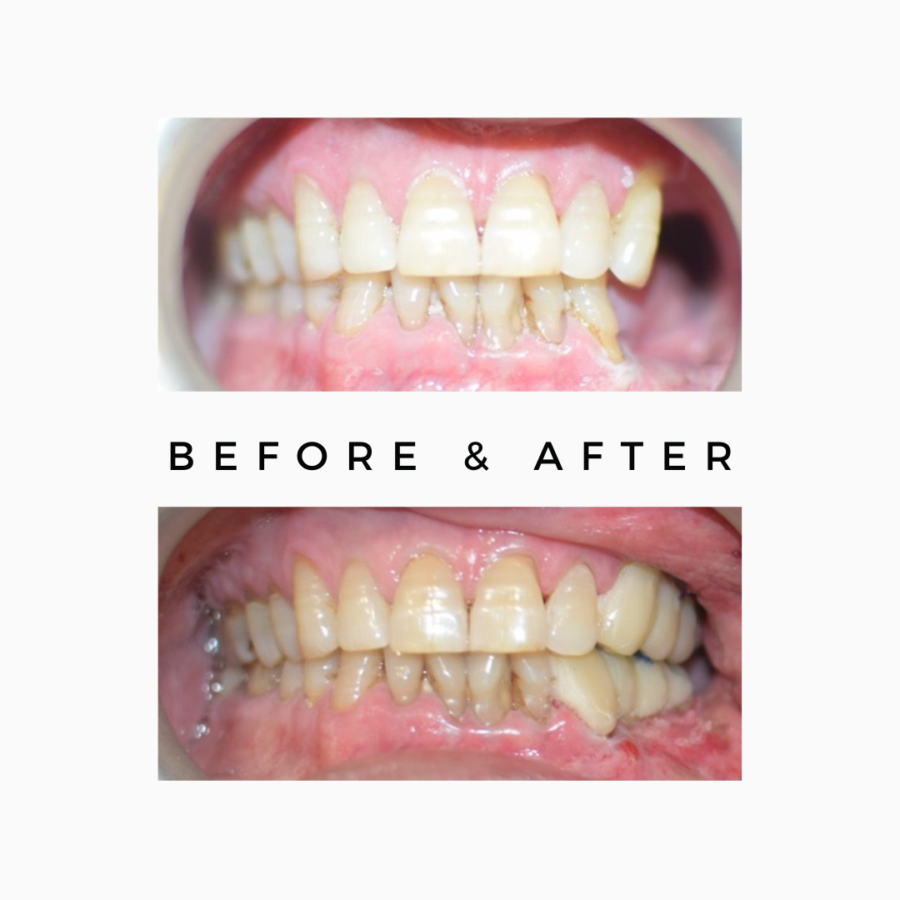
One of the most important things you can do after oral cancer is get dental rehabilitation. This process will help restore your mouth to its original condition, making it easier for you to eat and speak. Dental rehabilitation includes treatment for teeth, bone, and soft tissue. If you have teeth that are growing in too high, they might need to or reset so that they grow in the proper position. You can also have procedures done on your jawbone like surgery or grafts, which may be necessary to remove tumors and rebuild the area that by cancer.
Dental rehabilitation is a way for survivors of oral cancer to recover their health and quality of life after diagnosis.
What to expect during oral rehabilitation for cancer patients?
The dental rehabilitation process is a multi-step process that can take anywhere from 6 months to 2 years, depending on the severity of your oral cancer diagnosis. Here are some examples of what you can expect during this process:
Dental implants: Dental implants are synthetic teeth that are implanted into your jawbone to replace missing teeth. They’re a common option for many people who have lost their teeth and need back their smile.
Reconstructive dentistry: Reconstructive dentistry is the term for work done to repair or restore the function of teeth, jaws, and other oral structures impacted by oral cancer surgery. This includes things like bone grafts, dental implants and tooth extractions.
Speech therapy: Speech therapy is one possible way to help you resume speaking after a tumor removal and/or radiation therapy has left your tongue swollen and stiff.
In cases where the dentist during the planning stage of the dental cancer surgery, it is also possible to get the teeth along with cancer surgery itself.
Dental Assessment Before and After Cancer Treatment
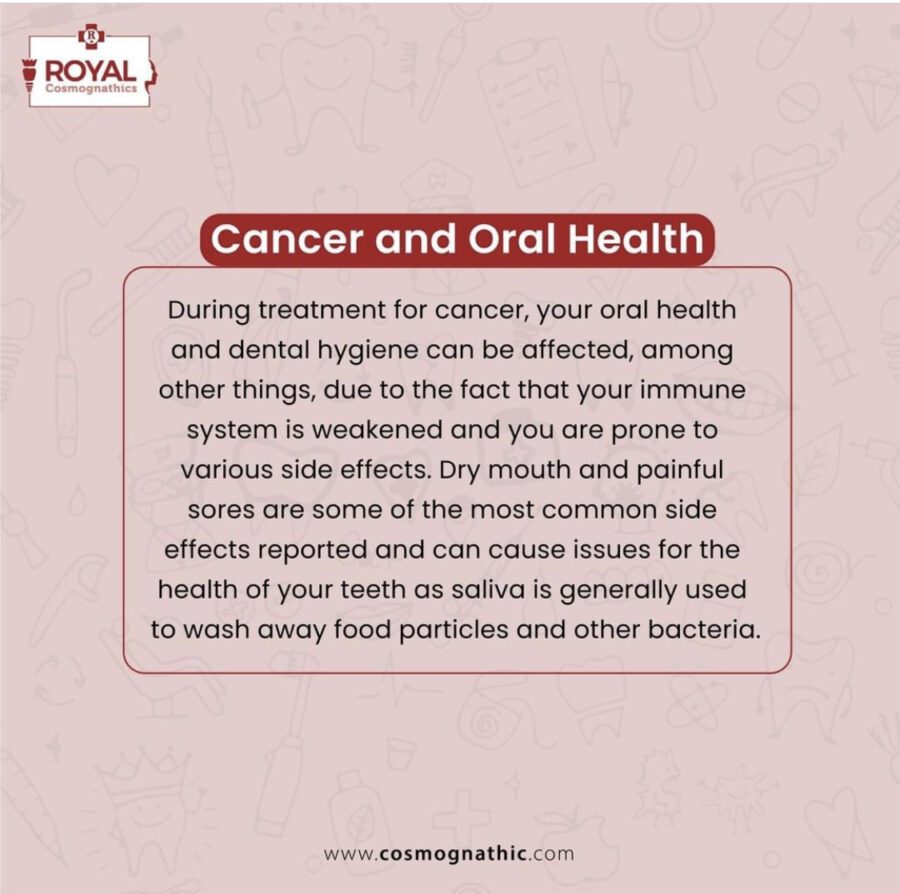
A dental assessment should ideally be included before oral cancer surgery, chemotherapy or head-and-neck radiotherapy. The dentist may check for infection, gum disease, damaged teeth and other problems that could become difficult to treat during cancer therapy. After treatment, regular dental reviews help manage dry mouth, tooth decay, gum inflammation, restricted mouth opening and healing problems. Dental care should be coordinated with the cancer surgeon and oncologist.
Types of Oral Rehabilitation Available
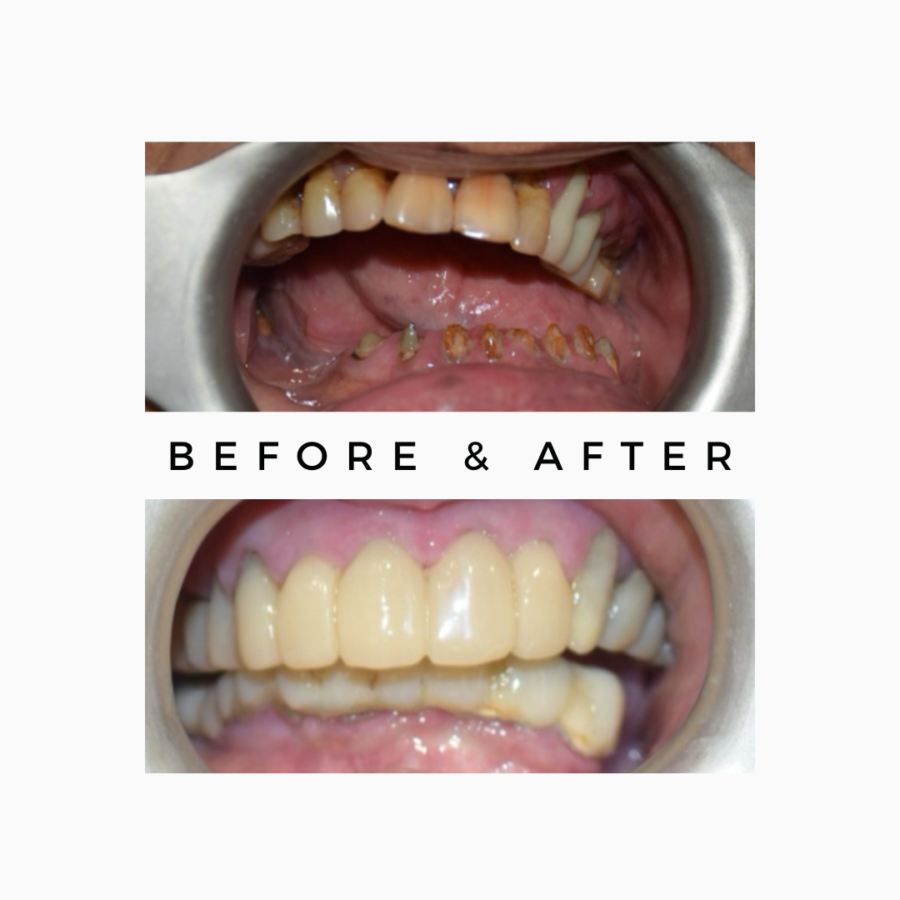
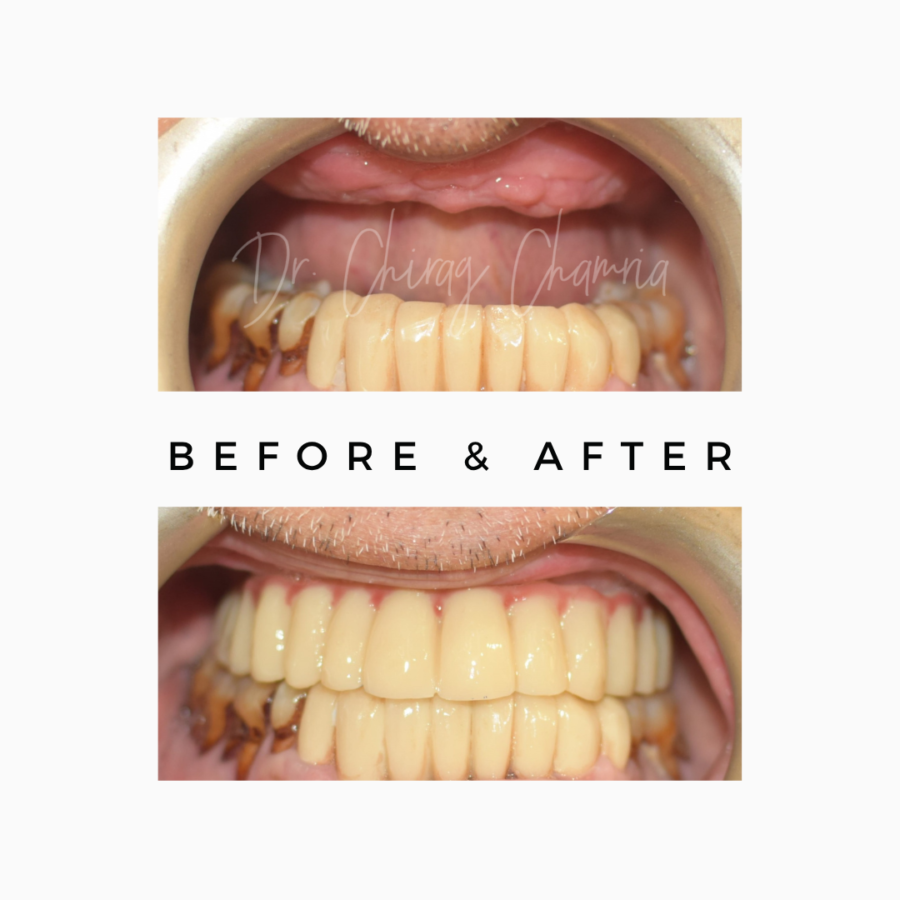
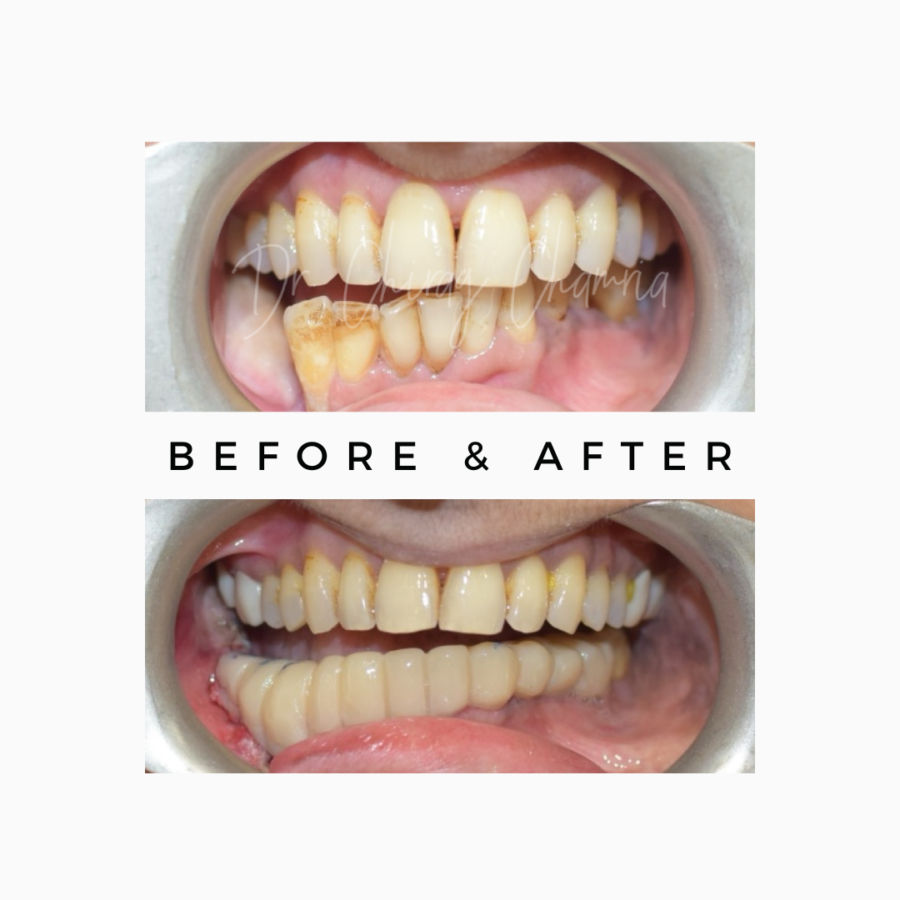
Oral rehabilitation is personalised according to the part of the mouth or jaw affected by cancer. Treatment may include dental implants, fixed implant-supported teeth, removable dentures, an obturator for an upper-jaw defect, jaw reconstruction or a combination of these options. The most suitable solution depends on the remaining bone, reconstructed tissues, radiotherapy history, mouth opening and the patient’s ability to maintain oral hygiene.
Improving Speech, Chewing and Swallowing
Oral cancer treatment may affect tongue movement, saliva, speech, chewing and swallowing. Rehabilitation may therefore involve more than replacing missing teeth. A speech-and-swallowing therapist and dietitian may work with the dental and surgical team to improve speech clarity, food consistency, nutrition and confidence while eating. Some patients may initially require softer foods or swallowing exercises during recovery.
Long-Term Care After Oral Cancer Rehabilitation
Oral rehabilitation requires lifelong follow-up. Patients should clean their remaining teeth, implants and prosthesis carefully and attend regular professional reviews. Previous radiotherapy can cause persistent dry mouth and changes in tissue healing, which may increase the risk of tooth decay and other oral complications. Persistent ulcers, exposed bone, increasing pain, swelling, bleeding or difficulty swallowing should be examined promptly.
Conclusion
Oral rehabilitation is an essential part of recovery after oral cancer treatment. Whether it involves reconstructive surgery, dental implants, prosthetic rehabilitation, or speech therapy, the goal is to restore function, appearance, and confidence. Every patient’s treatment plan is unique, and early collaboration between oral surgeons, prosthodontists, oncologists, and rehabilitation specialists can significantly improve long-term outcomes. If you are recovering from oral cancer, consult an experienced dental rehabilitation team to explore the treatment options best suited to your needs.
Recovering from oral cancer?
At Royal Dental Clinics, our multidisciplinary team provides personalized oral rehabilitation solutions, including reconstructive surgery, dental implants, and prosthetic care to help restore your smile, speech, and confidence. Book a consultation today to discuss your treatment options.
FAQs
1. What is oral rehabilitation after oral cancer?
Oral rehabilitation is a combination of treatments that restore chewing, speech, swallowing, facial appearance, and dental function after oral cancer treatment.
2. Can I receive dental implants after oral cancer surgery?
Many patients can receive dental implants following appropriate healing and evaluation by an experienced implant specialist.
3. How long does oral rehabilitation take?
The duration varies depending on the extent of surgery, healing, reconstruction needs, and individual treatment goals.
4. Does oral rehabilitation improve speech and eating?
Yes. Reconstructive procedures, prosthetic devices, and speech therapy can significantly improve speech, chewing, and swallowing.
5. Who performs oral rehabilitation?
Treatment is typically provided by a multidisciplinary team that may include oral and maxillofacial surgeons, prosthodontists, implant dentists, oncologists, speech therapists, and rehabilitation specialists.