Dental care: what do I actually do? The answer is to build simple daily habits that protect your teeth and gums. Brushing twice a day with fluoride toothpaste, flossing daily, eating a balanced diet, limiting sugary foods, and visiting your dentist regularly are the foundations of good oral health. These preventive measures help reduce the risk of cavities, gum disease, and other dental problems while keeping your smile healthy for years to come.
Who Is This Article For?
- Individuals looking to improve their oral hygiene
- Adults experiencing frequent dental problems
- Parents teaching children healthy dental habits
- People interested in preventive dentistry
- Anyone wanting to maintain a healthy smile
Brush and floss your teeth
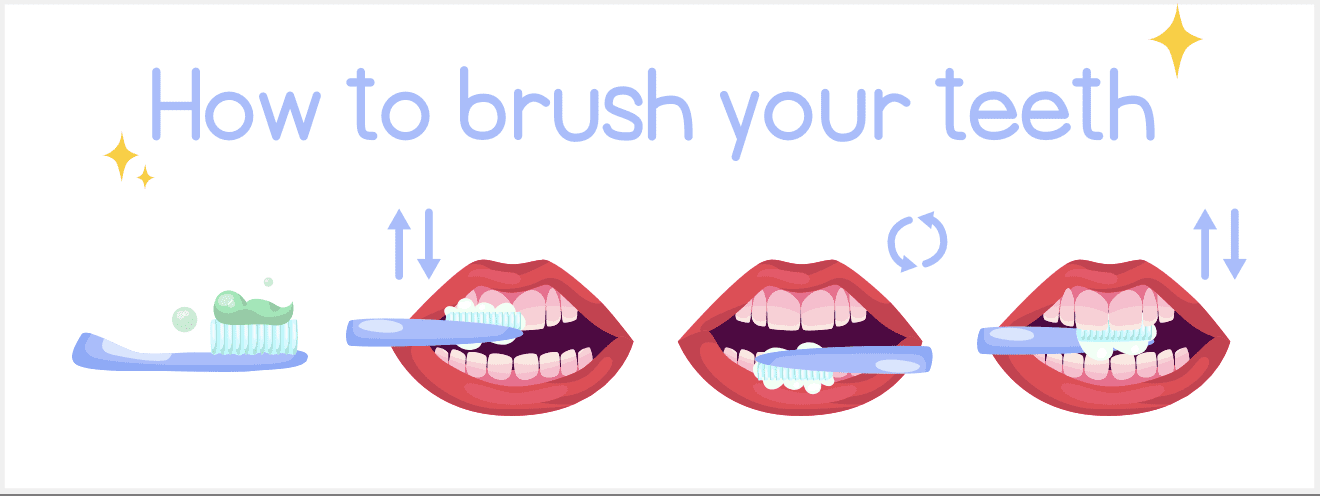
This may seem like a given, but it’s also the most important thing you can do for your teeth! That said, lots of people don’t do it enough – or at all. You should aim to brush your teeth twice a day for two minutes each time.
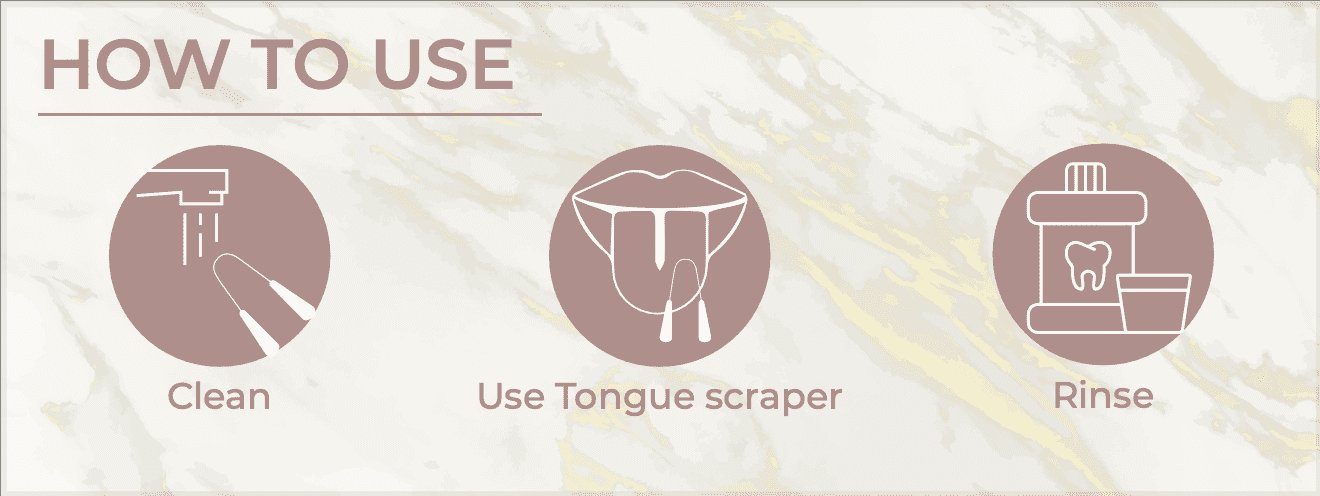
When you brush, make sure to focus on the outside, inside, and the chewing surfaces of your teeth. You may also want to invest in a tongue scraper to remove bacteria from the surface of your tongue.
Floss your teeth once a day. This removes plaque and food from between your teeth that you can’t reach with a toothbrush. If you’re not sure where to start, your dentist can provide you with advice and tips on taking care of your teeth.
See your dentist regularly
You may be surprised to learn that you should see your dentist on a yearly basis. Not only does this allow your dentist to check your teeth for cavities and other problems, it also gives you the opportunity to get a head start on any issues that may arise in the future.
While seeing your dentist regularly may seem like an inconvenience, it’s actually essential to your dental health. Your dentist can also let you know if you have any underlying health issues that you should be aware of. Dentists can also help you to identify any issues with your teeth that you may have missed or not known were there.
They can also provide advice on how to fix the problem.
Don’t smoke or vape as it impacts Teeth
This is another one that may seem obvious, but there are millions of people around the world who smoke cigarettes and cigars. There are also many people who vape regularly. There are many potential health issues associated with smoking tobacco, including poor dental health. That’s because tobacco smoke contains carcinogenic chemicals that can lead to gum disease and ultimately, tooth loss. If you smoke regularly, it’s important to visit your dentist at least once a year for a thorough check-up.
Your dentist can offer advice on how to best manage your dental health while you continue to smoke and can also help you identify any potential early warning signs of gum disease.

Maintain a healthy diet for dental care
A diet rich in fresh fruits, vegetables, and other plant-based foods is essential to maintaining good dental and overall health. On the other hand, sugary, acidic, and processed foods can lead to cavities, gum disease, and other damage to your teeth. Fortunately, it’s relatively easy to change your diet so that it’s more beneficial to your dental health.
If you want to reduce the risk of gum disease, cavities, and other dental health issues, you should reduce your intake of processed foods and sweets. Instead, try to eat more fresh fruits and vegetables, nuts, seeds, and grains.
A healthy diet may also reduce your risk of other health issues, such as heart disease and diabetes.
Conclusion
Dental care: what do I actually do? The answer is simpler than many people think. Maintaining healthy teeth and gums begins with consistent daily habits such as brushing twice a day, flossing regularly, eating a balanced diet, and attending routine dental check-ups. These preventive measures help protect against cavities, gum disease, bad breath, and tooth loss while supporting your overall health and well-being. Small, consistent efforts today can prevent more complex dental problems in the future.
Good oral health is a lifelong commitment rather than a one-time effort. By adopting healthy habits, recognising early signs of dental problems, and seeking professional care when needed, you can preserve your natural teeth and enjoy a confident smile for years to come. Preventive dentistry not only improves oral health but also contributes to better general health, making regular dental care an essential part of a healthy lifestyle.
Book a Consultation
Looking after your oral health starts with the right guidance and preventive care. Whether you need a routine dental check-up, professional teeth cleaning, treatment for cavities or gum disease, or personalised advice on maintaining a healthy smile, the experienced team at Royal Dental Clinics is here to help. We provide comprehensive dental care using modern technology and evidence-based treatments to keep your teeth and gums healthy for the long term. Book your consultation today and take the first step towards a healthier, stronger, and more confident smile.
FAQs
What is the best daily dental care routine?
Brush your teeth twice daily with fluoride toothpaste, floss once a day, clean your tongue, use an alcohol-free mouthwash if recommended, and visit your dentist regularly for preventive care.
How often should I visit the dentist?
Most people should have a dental check-up and professional cleaning every six months. Your dentist may recommend more frequent visits depending on your oral health needs.
Can good oral hygiene prevent gum disease?
Yes. Brushing, flossing, and regular professional cleanings help remove plaque and significantly reduce the risk of gingivitis and periodontitis.
Does diet affect dental health?
Absolutely. A balanced diet rich in calcium, vitamins, and fibre supports healthy teeth and gums, while excessive sugar intake increases the risk of tooth decay.
Why is preventive dental care important?
Preventive dental care helps detect problems early, reduces the need for complex treatments, preserves natural teeth, and supports long-term oral and overall health.