Why is dental health so important is a common question for patients who want to understand how teeth, gums, oral hygiene, and overall wellbeing are connected. Good dental health helps prevent tooth decay, gum disease, bad breath, sensitivity, receding gums, tooth infection, and tooth loss while supporting chewing, speech, comfort, and smile confidence.
When you think of your overall health, the first things that come to mind are probably things like exercise, diet, and sleep. You might not think about your oral health as being an important part of your overall health, but it actually is. In fact, your dental health has a lot to do with the wellness of other parts of your body. For example, there’s a very strong connection between your oral health and your general well-being. Healthy teeth and gums help keep you resistant to tooth decay and gum disease; both of which can lead to more serious conditions such as heart disease or diabetes.
Who is this Article For?
This article is for patients and families who want to understand why dental health is important for overall wellbeing, not only for teeth and smile appearance. It is helpful for people who want to prevent tooth decay, gum disease, bad breath, tooth sensitivity, receding gums, cavities, and long-term oral health problems.
The article helps patients understand that healthy teeth and gums can support chewing, speech, confidence, comfort, oral hygiene, and general wellness.
What does dental health really mean?
Healthy teeth and gums are essential for strong, healthy teeth. But when your teeth and gums aren’t healthy, you’re at risk for a number of problems. Unfortunately, many people aren’t even aware of the risks of poor dental health since the signs are often subtle and happen over time. Gum disease, for example, may not even be noticeable until it has reached the point where your gums have pulled away from the teeth, forming pockets where bacteria can thrive. At this point, it’s too late to reverse the damage. So in order to prevent these problems, it’s important to know what good dental health looks like.

Why is Dental Health important to wellness?
We’ve already talked about how poor oral health can lead to serious health problems, but what about the other way around? What does dental health have to do with other parts of your body? Well, your mouth and teeth are connected to other parts of your body through a network of tissues and organs called the oral microbiome.
This is basically a microbial community that exists in your mouth and on your gums that plays a critical role in your overall health. But when the oral microbiome gets out of balance, this can have wide-ranging effects that extend to other parts of your body. What does this have to do with dental health? Well, maintaining good oral hygiene through regular brushing and flossing can help keep your oral microbiome in balance. And by extension, this can support your overall wellness.
4 Ways Dental Health Supports Your Wellness
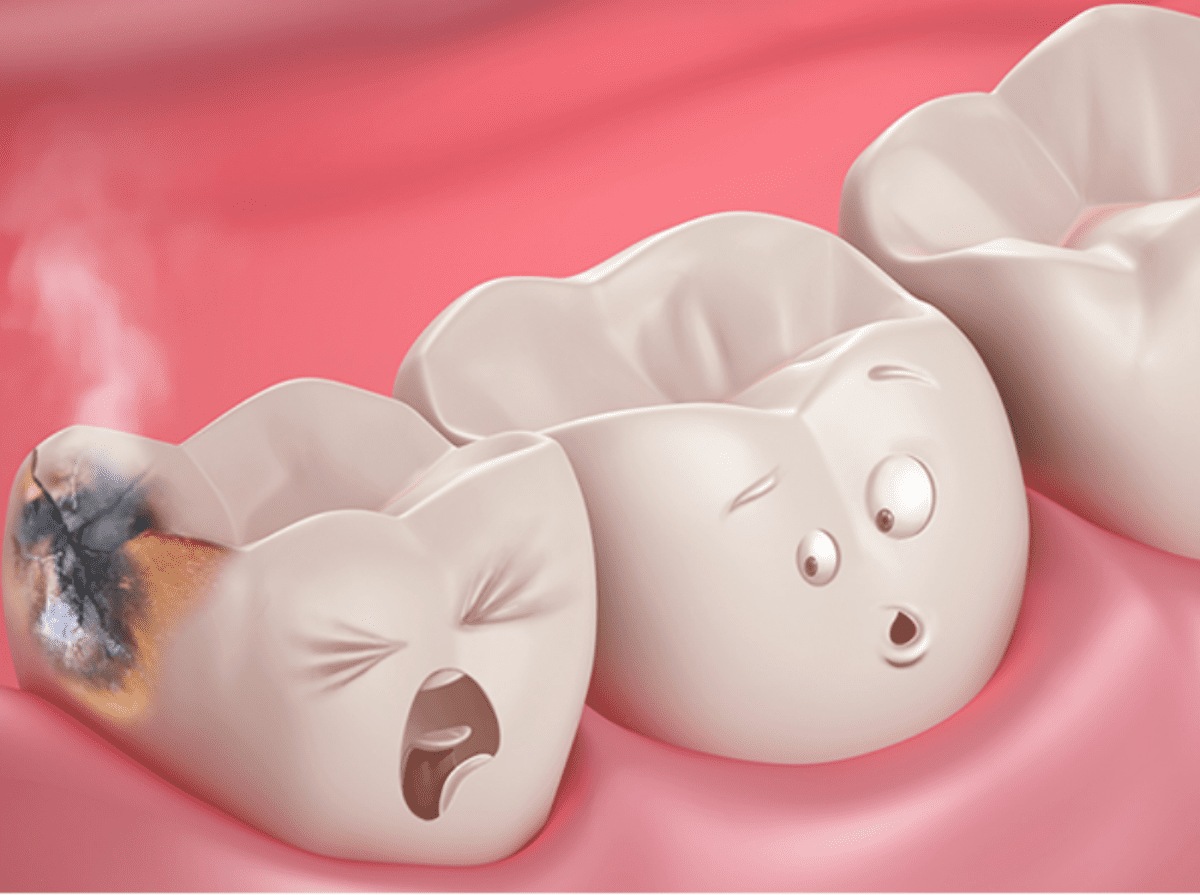
Tooth Decay is Preventable – Tooth decay is a bacterial infection that leads to cavities in your teeth. It happens when bacteria in your mouth feed on the sugars from food and drink and produce acid as a waste product. This acid can then eat through the tooth enamel and leave it porous and weakened.
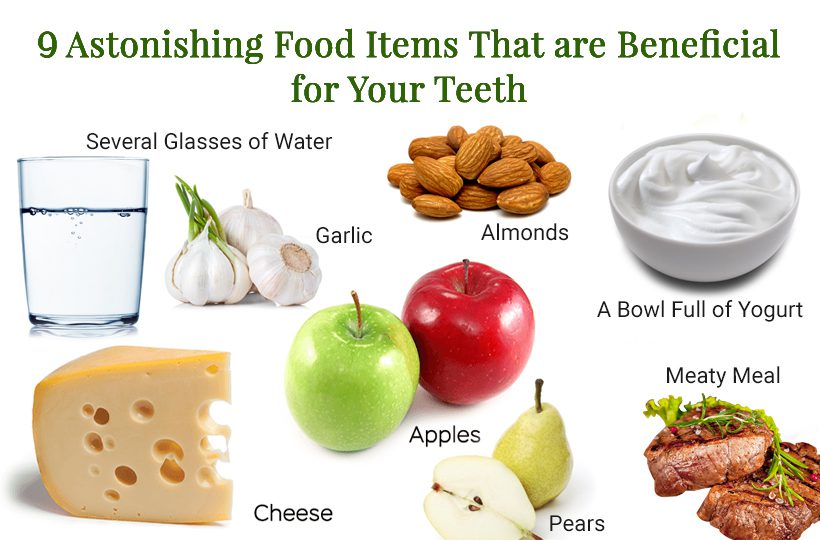
Tooth decay can be prevented if you consume less sugar, brush and floss your teeth regularly, and visit your dentist for check-ups.
Tooth decay can be treated using dental sealants, fluoride, or root canal therapy if it has spread into the root of the tooth.
Tooth Decay is Treatable – Once the tooth decay has progressed to the point where it has actually eaten through the tooth and into the soft tissue of your gums, treating it can be much more complicated.
This stage is often referred to as a dental caries, or gum disease, and can be treated with antibiotics or antimicrobial rinses.

3 Signs that your Oral Health is in Trouble
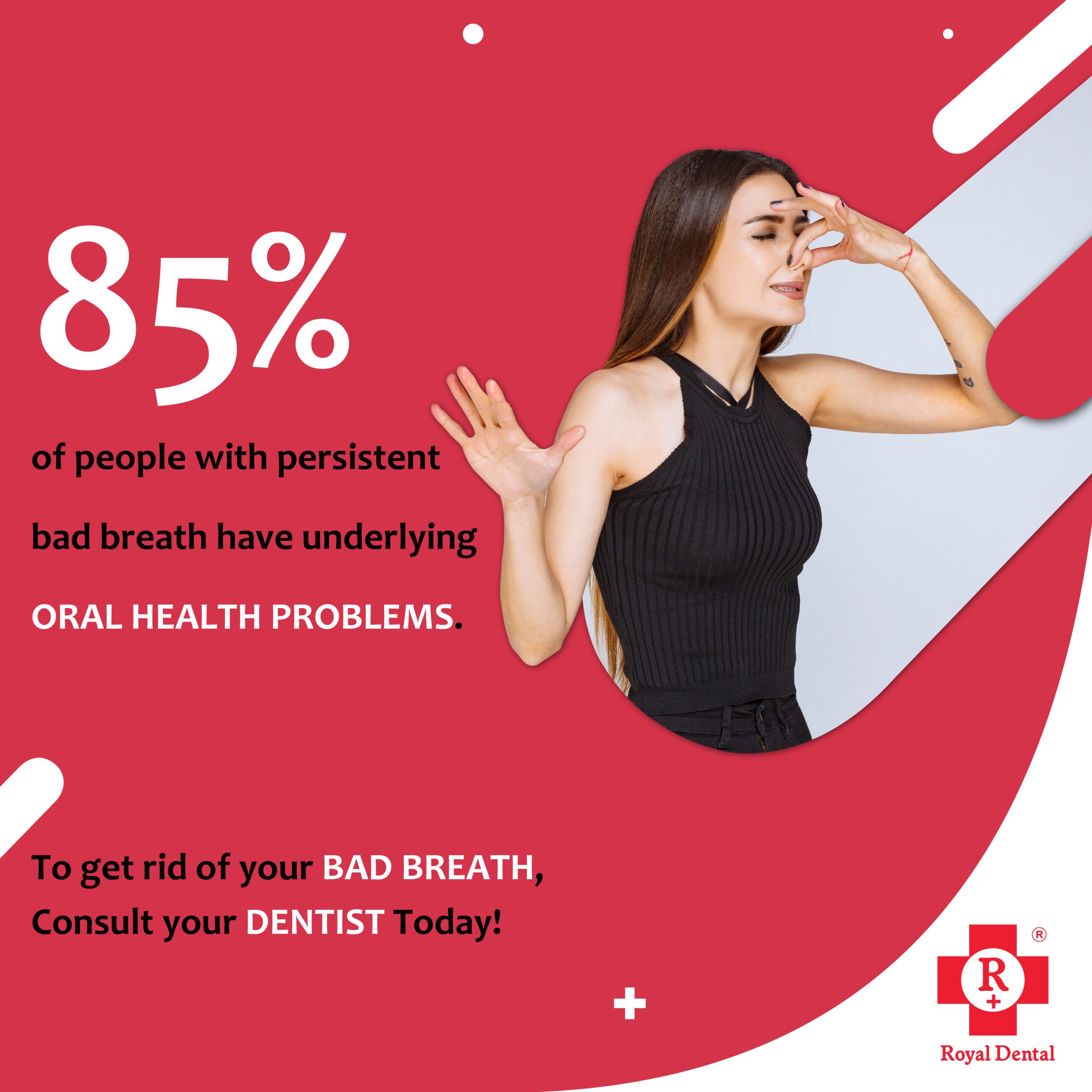
Bad breath – Bad breath, or halitosis, is a common sign that something is off with your oral health. Some common causes of bad breath include gum disease, diabetes, diet, and even certain medications.
Tooth sensitivity – If your teeth are sensitive to hot or cold temperatures, this can indicate that your teeth are starting to become sensitive to the acids in your mouth or that gum disease is progressing.
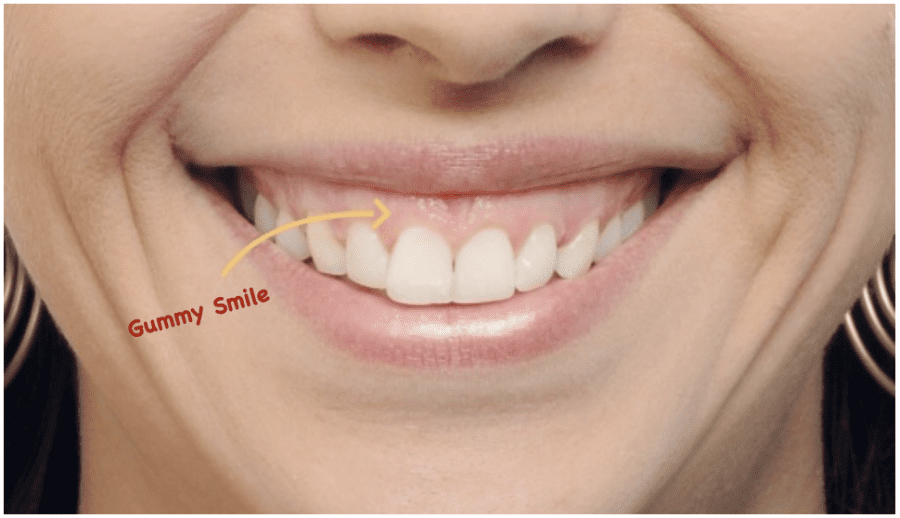
Receding Gums – If your gums start to recede from your teeth, this is a clear sign that you may be at risk for tooth decay. If you notice any of these signs, it’s important to see a dentist as soon as possible. Treatment for these conditions are simpler if caught early.

3 Things you can do for better overall health
Brush your teeth twice a day – Brushing your teeth at least twice a day is a basic, but important, part of dental health. Make sure to brush for at least two minutes to get your teeth clean. You can also brush your teeth after meals with an antimicrobial mouthwash to kill any lingering bacteria or food particles in your mouth.
Floss once a day – Flossing once a day helps remove bacteria and food particles from between your teeth and below the gum line. Keep in mind that you can use dental swabs, or dental picks, in between your teeth if you have braces.
Schedule regular dental check-ups – And lastly, make sure to visit your dentist for a dental check-up once every six months or once a year.
Conclusion
As you can see, dental health is much more than just having nice teeth and having good breath. It is an important part of your overall health and wellness. With good oral hygiene, you can prevent a lot of dental diseases and maintain a healthy smile throughout your life. If you want to know more about dental health, feel free to read our article.
Dental health is important because the mouth is closely connected with overall health and daily comfort. Poor oral hygiene may increase the risk of tooth decay, gum disease, bad breath, sensitivity, receding gums, tooth infection, and tooth loss. Small dental problems can become more difficult to treat when they are ignored for a long time.
FAQs
1. Why is dental health so important?
Dental health is important because healthy teeth and gums help with chewing, speaking, smile confidence, oral hygiene, and overall comfort. Good dental care can also reduce the risk of cavities, gum disease, bad breath, tooth pain, and tooth loss.
2. How is dental health connected to overall health?
Dental health is connected to overall health because the mouth contains bacteria and tissues that can affect daily comfort, nutrition, digestion, speech, and general wellbeing. Poor oral hygiene may lead to gum inflammation, tooth infection, and other oral health problems.
3. What are the signs of poor dental health?
Common signs of poor dental health may include bad breath, bleeding gums, tooth sensitivity, receding gums, tooth pain, swelling, food lodgement, loose teeth, and cavities. These symptoms should not be ignored.
4. Can tooth decay be prevented?
Yes, tooth decay can often be prevented with proper brushing, flossing, reduced sugar intake, fluoride toothpaste, regular dental check-ups, and professional cleaning. Early diagnosis can help prevent small cavities from becoming deeper tooth infections.
5. Why is gum health important?
Gum health is important because gums support and protect the teeth. Gum disease may lead to bleeding, swelling, bad breath, gum recession, loose teeth, and bone loss if not treated on time.
6. What can I do daily for better dental health?
For better dental health, brush twice a day, floss once daily, clean your tongue, drink enough water, reduce sugary foods, avoid tobacco, and visit the dentist regularly. These habits can help protect teeth and gums.
7. How often should I visit a dentist?
Most patients should visit a dentist regularly for check-ups and cleaning. The exact timing depends on cavity risk, gum health, oral hygiene, medical history, and any ongoing dental concern.