
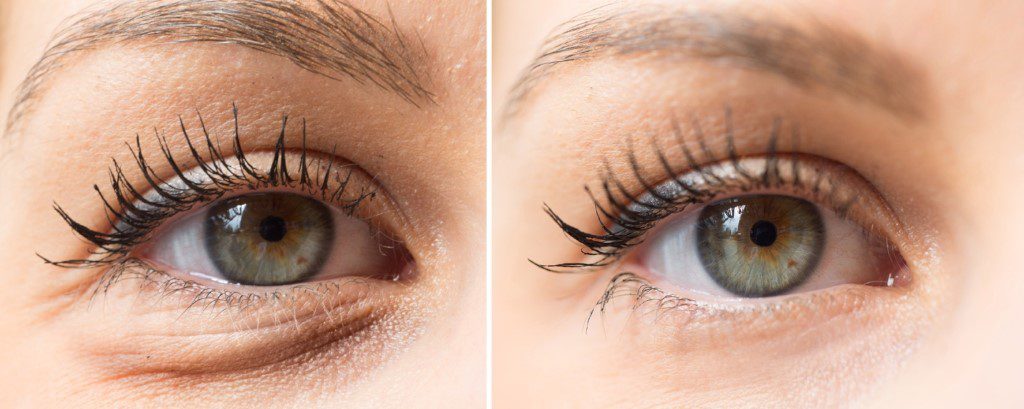
Everyone said the eyes don’t lie. The skin around the eyes is often the first part of the body to show signs of aging. Many patients experience the benefits of eyelid surgery with its ability to reduce bagginess, remove excess skin, and helping to improve sight caused by sagging upper eyelids. Eyelid surgery or blepharoplasty in Mumbai is a surgical procedure to improve the appearance of the eyelids. Surgery can be performed on the both upper and lower lids.
Blepharoplasty / Eyelid Surgery in Mumbai is for patients who are concerned about droopy eyelids, baggy upper eyelids, under-eye bags, excess eyelid skin, or eyelid sagging that affects appearance or vision. A proper consultation helps the surgeon understand the patient’s eye condition, expectations, medical history, and whether eyelid surgery is suitable.
Whether you want to improve your appearance or are experiencing functional problems with your eyelids, eyelid surgery can rejuvenate the area surrounding your eyes. Eyelid surgery ranked in the top five cosmetic surgical procedures in 2018, acccording to the latest data.
Who is This Article for?
This article is for patients who are concerned about droopy eyelids, baggy upper eyelids, excess lower eyelid skin, under-eye bags, or eyelid sagging that affects their appearance or vision. This blog helps patients learn when eyelid surgery may be considered, what preparation may be needed, what risks should be discussed, and why consultation with the surgeon is important before deciding on any cosmetic or functional eyelid procedure.
Blepharoplasty may be an option if you have:
- Baggy or droopy upper eyelids
- Excess skin of the upper eyelids that interferes with your peripheral vision
- Excess skin on the lower eyelids
- Bags under your eyes (You may undergo blepharoplasty at the same time as another procedure, such as a dental implants, brow lift, face-lift, skin resurfacing etc.)

Possible Risks include but not limited to Eyelid Surgery:
- Infection and bleeding
- Dry, irritated eyes
- Difficulty closing your eyes or other eyelid problems
- Noticeable scarring
- Injury to eye muscles
- Skin discolouration
- Risks associated with surgery in general, including reaction to anaesthesia.
Before scheduling Blepharoplasty Eyelid Treatment in Mumbai:
- Any relevant information from the eye surgeon or blepharoplasty surgeon in Mumbai should be discussed and informed.
- Your expectations. An honest discussion of your hopes and motivation for surgery will help set the stage for a satisfactory outcome. Your surgeon will discuss with you whether the procedure is likely to work well for you.
- Take only medications approved by your surgeon.
- Quit smoking several weeks before your surgery. Smoking can reduce your ability to heal after surgery.
- Arrange for someone to drive you to and from surgery if you’re having outpatient surgery. Plan to have someone stay with you for the first night after returning home from surgery.
Before your eyelid surgery, you’ll undergo:
- A vision examination. Your eye doctor will examine your eyes and test your vision, including your peripheral vision. Its needed to support an insurance claim.
- Eyelid photography. Your eyes will be photographed from different angle. These photos help with planning the surgery, assessing its immediate and long-term effects, and supporting an insurance claim.
- During the procedure If you have surgery on your upper and lower eyelids, the surgeon generally works on your upper lids first. He or she cuts along the fold of the eyelid, removes some excess skin, muscle and possibly fat, and closes the cut.
- On the lower lid, the eyelid surgeon makes a cut just below the lashes in your eye’s natural crease or inside the lower lid. He or she removes or redistributes excess fat, muscle and sagging skin, and closes the cut.
- If your upper eyelid droops close to your pupil, your surgeon may do blepharoplasty with a procedure called ptosis (TOE-sis) that provides additional support to the eyebrow muscle.
- After surgery you spend time in a recovery room, where you are monitored for complications. You can leave later that day to recuperate at home.

After surgery you may temporarily experience:
- Watering eyes
- Light sensitivity
- Double vision
- Puffy, numb eyelids
- Swelling and bruising similar to having black eyes
- Pain or discomfort
Seek medical attention
- Shortness of breath
- Chest pain
- An unusual heart rate
- Severe new eye pain
- Bleeding
- Vision problems
Results
Many people express satisfaction with the results of blepharoplasty, such as a more rested and youthful appearance and more self-confidence. For some people, results of surgery may last a lifetime. For others, droopy eyelids may recur. Bruising and swelling generally subside in 10 to 14 days, which may be when you feel comfortable going out in public again. Scars from the surgical cuts may take months to fade. Take care to protect your delicate eyelid skin from too much sun exposure.
Blepharoplasty Vs Ptosis Correction
Clarify that blepharoplasty removes or repositions excess eyelid skin, muscle or fat, whereas ptosis surgery treats weakness or dysfunction of the muscle that lifts the upper eyelid. Some patients may require one procedure or a combination after proper eye and eyelid assessment. The present article briefly mentions ptosis but does not explain the difference accurately.
Conclusion
In conclusion, if you’re seeking a remarkable transformation for your eyes, look no further than our leading eyelid surgeons in Mumbai. With our expert touch and vast experience, you can unveil a more youthful and radiant appearance, boosting your self-confidence to new heights. Don’t let concerns about your eyelids hold you back any longer – take the first step towards a refreshed and rejuvenated look. Reach out today to schedule your consultation and embrace the beauty you truly deserve. Take action now, and let the skilled hands of Mumbai’s finest eyelid surgeon work wonders for you. Contact us today and embark on a journey towards a brighter, more vibrant future.
FAQs
1. What is blepharoplasty?
Blepharoplasty is an eyelid surgery that helps improve the appearance of the upper or lower eyelids. It may be considered for droopy eyelids, excess eyelid skin, under-eye bags, or eyelid sagging that affects appearance or vision.
2. Who may need eyelid surgery?
Eyelid surgery may be considered for patients with baggy upper eyelids, excess upper eyelid skin affecting peripheral vision, excess lower eyelid skin, or bags under the eyes. A consultation is important to understand whether the procedure is suitable.
3. Can blepharoplasty help with vision problems?
Yes, in some patients, sagging upper eyelid skin can interfere with peripheral vision. In such cases, eyelid surgery may help improve the field of vision after proper eye examination and surgeon evaluation.
4. What should I discuss before blepharoplasty?
Before blepharoplasty, patients should discuss their expectations, medical history, eye health, current medicines, smoking habits, and any previous surgery. The surgeon may also advise vision examination and eyelid photography before planning the procedure.
5. What are the possible risks of eyelid surgery?
Possible risks may include infection, bleeding, dry or irritated eyes, difficulty closing the eyes, visible scarring, skin discolouration, injury to eye muscles, reaction to anaesthesia, or other surgery-related concerns.
6. What can I expect after eyelid surgery?
After eyelid surgery, patients may temporarily experience blurred vision, watering eyes, light sensitivity, double vision, puffy or numb eyelids, swelling, bruising, and mild discomfort. These symptoms should be monitored as advised by the surgeon.
7. When should I contact the surgeon after blepharoplasty?
Patients should contact the surgeon immediately if they notice severe new eye pain, bleeding, vision problems, chest pain, shortness of breath, or an unusual heart rate. Follow-up visits are also important to check healing and remove stitches if required.