How is the Adult Treatment Different from A Child?
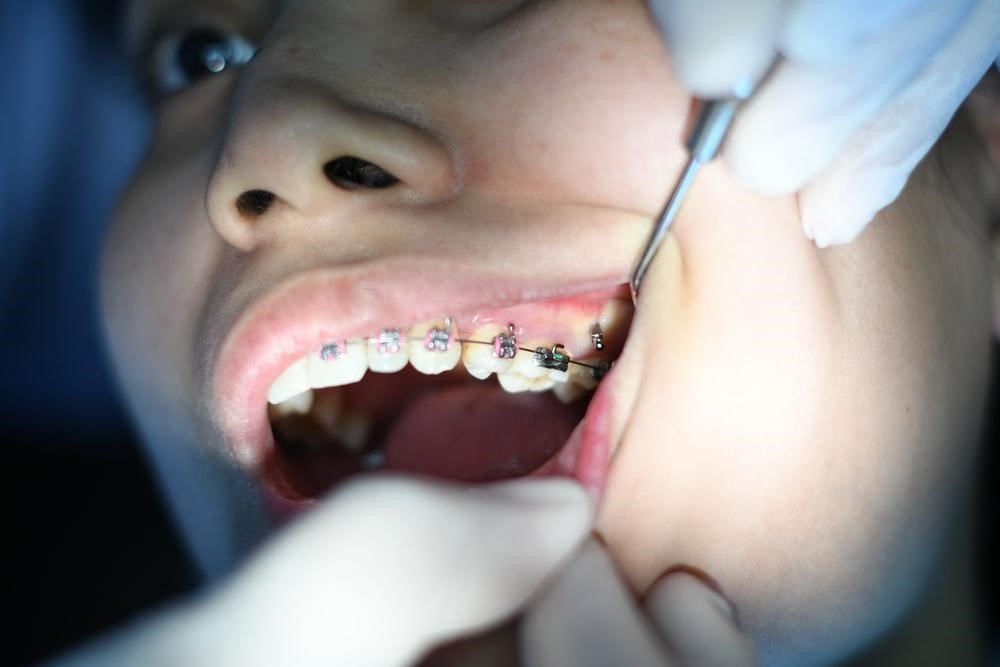
The main difference between orthodontic treatment for adults and for children or teens is that adults havestopped growing. This doesn’t affect how successful the treatment can be, but it may take a little longer because adult bones are denser and more mature.
Orthodontists also consider other factors in adults, such as old fillings, missing or worn-down teeth, and gum problems. Certain habits like smoking, teeth grinding, or tongue thrusting, as well as some medications, can also affect treatment results.
Just like with children, orthodontists often work closely with a general dentist. In more complex cases, they may involve other dental specialists—like oral surgeons or gum and root specialists—to make sure the adult patient gets the best overall care.
Factors to be Considered in Treatment of Adult Patients
Adult bone doesn’t respond to orthodontic forces as easily as in younger patients. This means there’s a higher risk of gum and bone issues, especially if even mild gum infections are present. Adults often already have some bone loss or gum recession, which can make treatment more complex.
In some cases, poor bite function in adults can cause weakening or thinning of the bone that supports the teeth. When there’s loss of attachment around the tooth, the way forces act during treatment changes. This can lead to unwanted tipping of the tooth, which requires careful control with special techniques to avoid further damage.
One important risk in adult treatment is root resorption—where the roots of the teeth start to shorten. Adultsshould be clearly informed about this possibility. Orthodontists should check for any signs of root resorption before starting treatment and take steps to manage or prevent it during the process.
Another risk factor is development of TMD in adult patients— which includes jaw pain, clicking sound, difficulty in opening or closing mouth, headaches. Before starting the treatment, Orthodontist will check for any signs of TMD and take care to avoid worsening the condition.