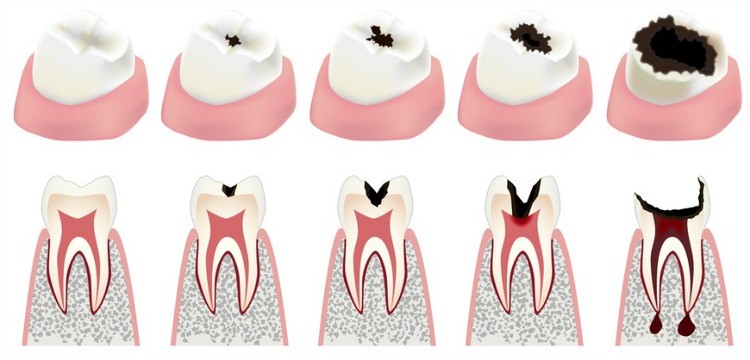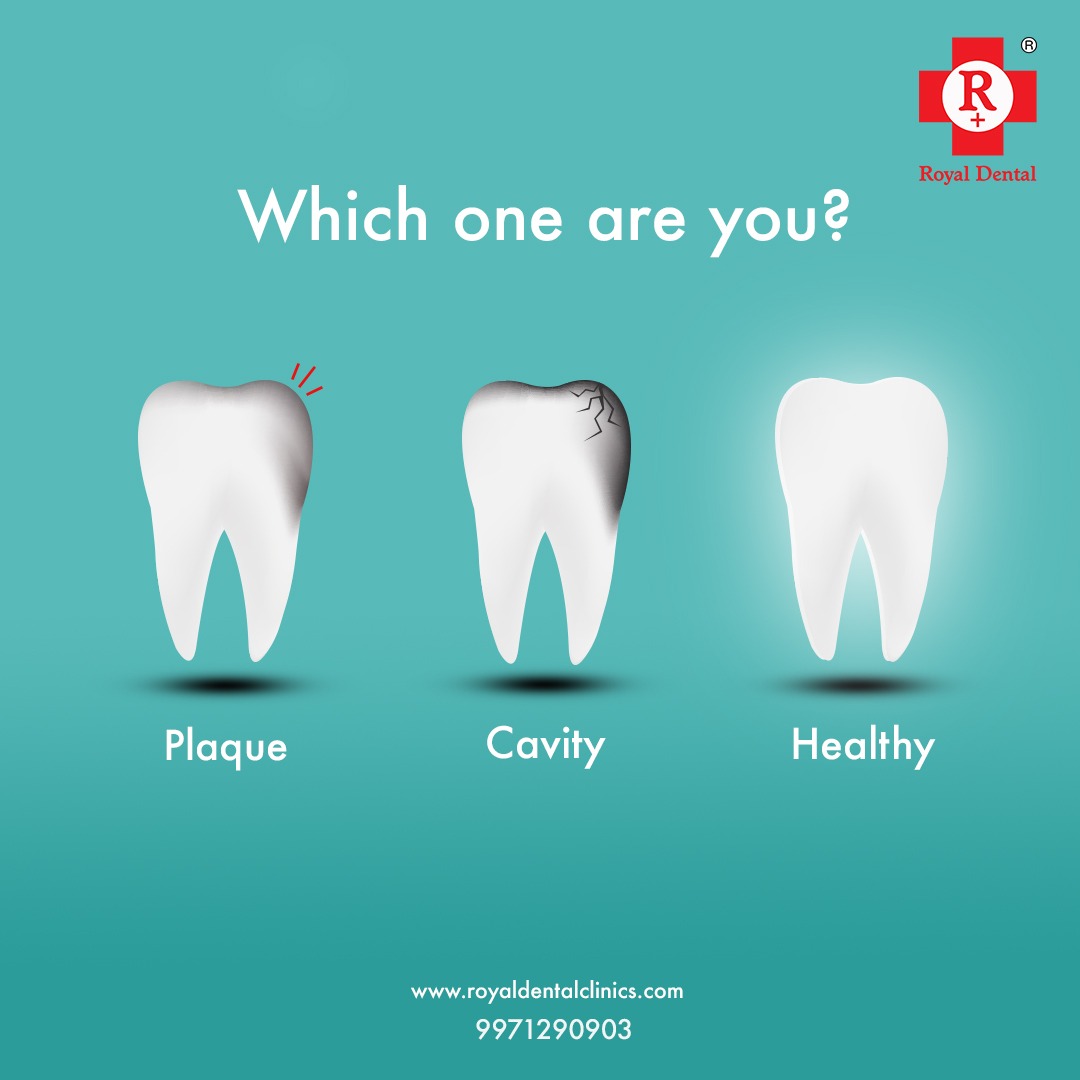
Every human smells differently. Some of us are super sensitive to smells, while others can’t detect them as easily. For example, some people can smell when there is a tooth cavity or decay in their teeth and even tell which tooth it is. Others don’t have that ability—or so we thought. It turns out that some people can smell when there is a tooth cavity or decay in their teeth because they can detect the vapors produced by bacteria. These bacteria release gases as they break down food particles and damaged tooth structures. This article will answer all your questions about whether your nose can detect a tooth cavity, dental decay, or cavities, and why it happens in certain people but not others. Bacteria associated with cavities and poor oral hygiene can contribute to unpleasant mouth odors and bad breath.
Who Is This Article For?
- People experiencing persistent bad breath
- Patients concerned about tooth decay
- Individuals noticing an unusual taste or odor in the mouth
- People with untreated cavities
- Anyone interested in oral health
What Does Tooth Decay Smell Mean?
When bacteria come into contact with the sugars found in our saliva and the calcium in our teeth, it produces gases as a metabolic byproduct. These gases are what you are detecting when you smell decay. The decay-causing bacteria are called Streptococcus mutans and are found in about half of all humans.
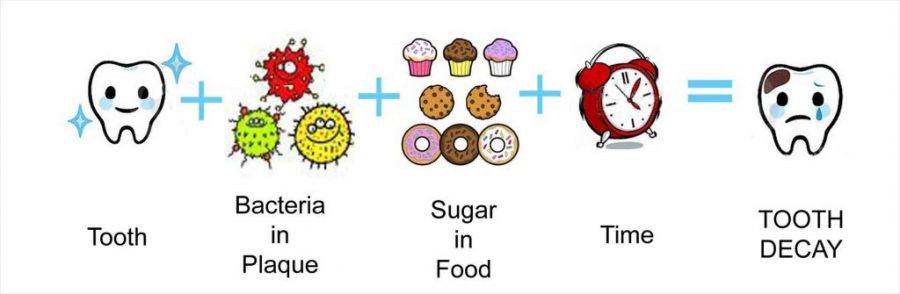
When this bacteria multiplies, it produces plaque and creates holes in your teeth by eating away at tooth enamel and the gum tissue that holds teeth in place. The holes then become infected with more bacteria and are home to plaque buildup and cavities. When the decay reaches the base of the tooth, it can affect the nerves and other tissues in the mouth, causing toothache and pain.
Tips To Prevent Tooth Cavity Decay
- Brush your teeth twice a day with fluoride toothpaste, and use floss or interdental cleaners to clean between your teeth.
- Reduce your intake of sugary and starchy foods.
- Ask your dentist about fluoride applications or sealants to further protect your teeth.
- See your dentist at recommended intervals to catch any problems earlier, when they’re easier to treat.
- While arrested cavities often do not threaten your oral health or need any intervention from a dentist, it’s still important to attend regular checkups and maintain optimal oral hygiene to avoid future decay.
A rotten tooth can cause many expensive oral health problems, but is bad breath one of them? Absolutely. As odd as it might seem, just as you can smell the odour coming off of a rotting piece of fruit, you can smell the odor released from a rotting tooth.
Can Your Nose Detect a Tooth Cavity?
As we said above, you can only detect cavities if you can smell the bacteria that is producing the gas. So, yes, if you are one of the people who can smell their own body’s gasses, then you can detect a cavity. If you can’t smell the bacteria, then there is no way for you to see a cavity.
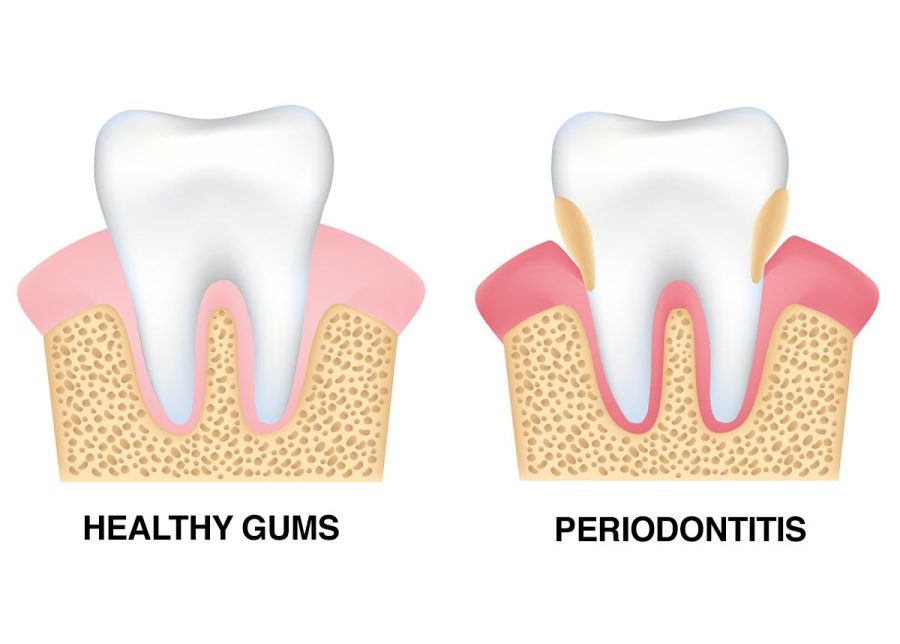
Is It Possible for Your Nose to Detect Tooth Cavities?
Yes, your nose may be able to detect tooth decay, but only if you can smell your body gases. There is a wide variety of factors that can affect the ability of your nose to detect bacteria. If you’re suffering from a cold or a head or upper respiratory infection, your nasal passages may be blocked, weakening your olfactory senses. If you have allergies or are exposed to smells regularly (like if you’re a chef or work in a bakery), your olfactory senses may be weakened. Also, if you’re experiencing anxiety or depression, that may be hindering your olfactory senses as well.
What Does a Tooth Decay or Cavity Smells Like?
Cavities themselves do not have a distinct odor. However, the bacteria that cause cavities can produce volatile sulfur compounds (VSCs), which have a strong, unpleasant odor that is often described as sour, sulfurous, or metallic. This odor is more likely to be noticeable if you have a large or deep cavity, or if you have multiple cavities.
In addition to the odor from VSCs, cavities can also cause bad breath (halitosis). This is because the bacteria that cause cavities can also produce other odorous compounds, such as cadaverine and putrescine. These compounds are produced by the breakdown of dead tissues, such as the food particles that are trapped in plaque and tartar.
“Do cavities smell?” Absolutely. If cavities go untreated you may notice unpleasant symptoms of advanced decay. Advanced dental decay and plaque accumulation can lead to bad breath and a bad taste in your mouth.
Can People Smell Bacteria in Their Mouth?
Yes, people can smell bacteria in their mouth. This is because bacteria produce volatile sulfur compounds (VSCs), which have a strong, unpleasant odor. VSCs are responsible for the characteristic smell of bad breath, also known as halitosis.
VSCs are produced by bacteria that break down food particles and proteins in the mouth. These bacteria are most commonly found on the tongue, between the teeth, and in the pockets around the gums. There are several things that can increase the production of VSCs in the mouth, including:
- Poor oral hygiene
- Dry mouth
- Smoking
- Certain foods and drinks, such as garlic, onions, and coffee
- Medical conditions, such as diabetes and kidney disease
How to Remove Plaque From Your Teeth
Plaque is a sticky film of bacteria that forms on your teeth. If it is not removed, it can harden into tartar, which can irritate your gums and lead to gum disease and tooth decay. There are a few things you can do to remove plaque from your teeth:
- Brush your teeth twice a day for two minutes each time. Use a soft-bristled toothbrush and fluoride toothpaste. Be sure to brush all surfaces of your teeth, including the front, back, and top.
- Floss once a day. Flossing removes plaque and food particles from between your teeth, where your toothbrush cannot reach.
- Use a mouthwash. Mouthwash can help to remove plaque and bacteria from your mouth. However, it is important to note that mouthwash is not a substitute for brushing and flossing.
If you have difficulty removing plaque from your teeth, you may want to see a dentist or hygienist for professional cleaning.
Conclusion
A cavity or decayed tooth can contribute to unpleasant mouth odors because of bacterial activity, trapped food particles, and infection. While bad breath does not always mean you have a cavity, persistent odor combined with other symptoms should not be ignored. Maintaining good oral hygiene and seeking prompt dental care can help prevent tooth decay and keep your mouth healthy.
Book Your Consultation
At Royal Dental Clinics, we provide comprehensive cavity detection, preventive dentistry, and advanced treatment solutions to help protect your oral health. Our experienced team focuses on early diagnosis and long-term dental wellness. Book your consultation today.
FAQ
Can you smell a tooth cavity?
Yes. Bacteria within cavities can produce unpleasant-smelling gases that may cause noticeable bad breath.
What does tooth decay smell like?
Tooth decay is often described as producing a rotten, sour, metallic, or sulfur-like odor.
Can a cavity cause bad breath?
Yes. Cavities can trap food and bacteria, which contribute to persistent bad breath.
Can one bad tooth make your whole mouth smell?
Yes. A single infected or severely decayed tooth can sometimes cause noticeable mouth odor.
How do I get rid of cavity-related bad breath?
Treating the underlying cavity, maintaining good oral hygiene, and visiting a dentist for professional care are the most effective solutions.
Medical Disclaimer
This article is for patient education only. Dental treatment should be planned after clinical examination, medical history review, and X-rays or scans where required. Treatment suitability, cost, timeline, healing, and results vary from patient to patient.