
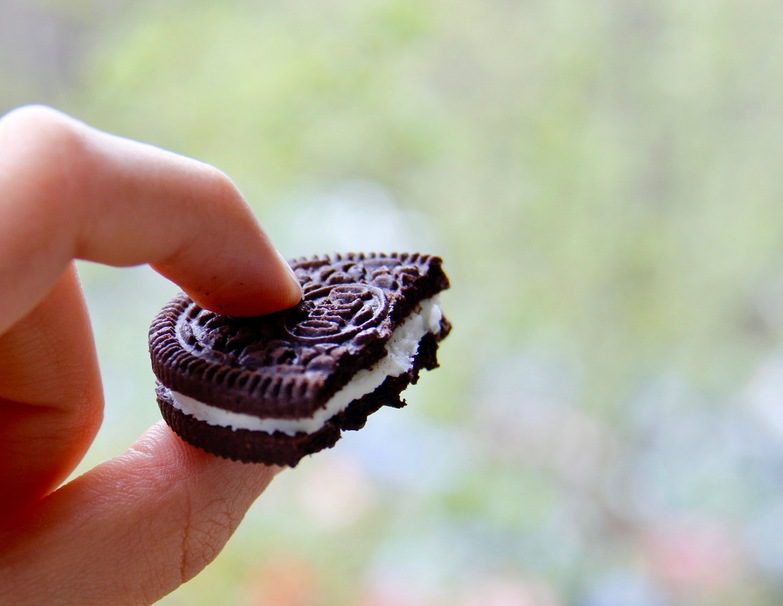
Have you ever eaten an Oreo and suddenly felt a sharp pain in one or more teeth? If this happens repeatedly, the cookie itself may not be the real problem. Sugary foods can trigger discomfort when a tooth already has sensitivity, decay, exposed dentin, gum recession, enamel wear or another underlying issue. Bacteria in dental plaque use sugars and starches to produce acids that can gradually remove minerals from enamel and contribute to tooth decay. If decay progresses, teeth may become sensitive to sweets, hot or cold foods. This article explains why your teeth may hurt after eating Oreos, what the pain could mean and when you should see a dentist.
When you consume sugary foods and drinks such as cookies, cake, candy, and soda, you may feel pain in your teeth. That’s because the acids from these foods, when broken down, can affect your mouth. Fermentable carbohydrates – which usually make up sweet treats – combine with the bacteria in your mouth to form acids.
Who Is This Article For?
- People whose teeth hurt after eating Oreos or other cookies.
- People who experience tooth sensitivity when eating sweets.
- Patients wondering whether sugar-related tooth pain means they have a cavity.
- People with recurring sensitivity to sweet foods and drinks.
- Anyone who wants to understand when sweet-related tooth pain requires a dental examination.
What causes tooth pain after eating Oreos?
When we eat sugary food, our teeth respond by producing acid. The acid produced by our teeth is actually more potent than the acid found in our stomachs. This acid works to break down the food we eat so that our bodies can process it. Unfortunately, when our teeth produce acid, they also begin to lose minerals like calcium and phosphate.

This loss of minerals weakens our hurt teeth, making them more susceptible to cavities. This is why some people experience tooth pain after eating sugary foods like Oreos. They’re experiencing the negative effects of the acid produced by their teeth. This acid eats away at the enamel on your teeth, causing pain and making your teeth more susceptible to toothache.
How does sugar affect teeth?
Unfortunately, sugar is bad for your teeth. It not only causes tooth decay, but it can also cause the enamel to break down and the gums to recede. How does this happen? When we eat sugary food, our teeth produce acid in order to break down the food. Unfortunately, sugar helps the acid dissolve the enamel on your teeth and the gums on your gums.
How does fat affects teeth?
Fat doesn’t just affect our waistlines it also affects our teeth. When we eat fatty foods, the fats stick to our teeth and transform into acid. This acid wears away at the enamel on your teeth, making you more vulnerable to tooth decay and cavities. Sugar can cause your teeth to ache if you eat too much of it. Toothache can also be caused by cavities and gum disease, which sugar can contribute to.
So if you eat an Oreo once in a while, don’t worry about your teeth just make sure to keep up with your regular dental hygiene habits. If you eat Oreos regularly and don’t take care of your teeth, you could experience tooth pain after eating Oreos.
What can be done to prevent tooth pain after Oreos?
Luckily, there are some things you can do to prevent tooth pain after eating Oreos. First, you should eat them only as a special treat. While Oreos are a delicious snack and a part of many childhood memories, they’re also packed with sugar.
In fact, one serving of Oreos has nearly 10 grams of sugar that’s almost as much sugar in a can of soda! Eating Oreos all the time will increase the likelihood of tooth decay. If you want to chow down on Oreos, it’s a good idea to also work on your regular dental hygiene habits to strengthen your teeth.
Tips for healthy dental hygiene habits
While eating only a few Oreos once in a while won’t hurt your teeth, failing to maintain good dental hygiene habits will. If you want to keep your teeth healthy, it’s important to adopt a few good dental hygiene habits. First, you should brush your teeth twice a day with fluoride toothpaste.
It’s also a good idea to floss your teeth once a day to remove trapped food and bacteria from between your teeth. Finally, you should visit the dentist every six months for a checkup and cleaning. By following these guidelines, you can keep your teeth healthy and avoid tooth pain after eating Oreos.
Conclusion
Unfortunately, sugar is bad for your teeth, and it’s even worse when it’s mixed with fat. When we eat sugary and fatty foods like Oreos, our teeth produce acid. This acid can weaken the enamel on our teeth, making them more susceptible to tooth decay and cavities. Luckily, you can prevent tooth decay and cavities by adopting good dental hygiene habits like brushing your teeth twice a day and flossing once a day. Causes for Sugar Sensitivity. If you’re experiencing sugar sensitivity due to chocolate or any kind of sweets, sadly, there’s a good chance you have some sort of damage to your teeth or gums.
Frequently Asked Questions
Why do my teeth hurt after eating Oreos?
Pain after eating Oreos may be caused by tooth sensitivity, a cavity, exposed dentin, gum recession, enamel wear or a cracked tooth. Sugary foods can trigger pain from an already vulnerable tooth.
Can Oreos cause tooth sensitivity?
Frequent consumption of sugary foods can contribute to tooth decay, and advancing decay can make teeth sensitive to sweets. However, immediate sensitivity may also have other causes, such as exposed dentin or gum recession.
Why does only one tooth hurt when I eat sweets?
Pain in one specific tooth may indicate a localized problem such as decay, a crack, gum recession or a defective restoration. Repeated pain in the same tooth should be evaluated by a dentist.
Should I stop eating Oreos if my teeth hurt?
If sweets repeatedly trigger pain, it is sensible to reduce sugary snacks while arranging a dental assessment. You do not necessarily need to eliminate every sugary food permanently, but frequent sugar exposure increases caries risk.
Can sensitive toothpaste help with sweet sensitivity?
Desensitizing toothpaste can help some people with dentin hypersensitivity. Ingredients such as potassium nitrate and stannous fluoride are used in products designed to reduce sensitivity.
Suggested Articles:
Does sugarless candy cause tooth decay?