Does sugarless candy cause tooth decay? This is a common question among people who want to enjoy sweets while protecting their oral health. Although sugarless candy may seem like the ideal alternative to regular sweets, its effects on your teeth depend on the ingredients it contains. If you have diabetes, sugar-free candy may be a suitable option in moderation, although certain sugar alcohols can cause digestive discomfort when consumed in excess. Likewise, people with fructose intolerance should choose products carefully and follow their healthcare provider’s advice.
Who Is This Article For?
If you’re wondering whether sugarless candy causes tooth decay, this article is for you. It is especially helpful for:
- People trying to prevent cavities
- Parents choosing healthier treats for children
- Individuals with diabetes
- Anyone interested in maintaining good oral health
Does Sugarless Candy Cause Tooth Decay?
Sugarless or sugar-free candy is generally less likely to cause cavities than regular candy containing sucrose, glucose or other fermentable sugars. Tooth decay develops when bacteria in dental plaque use sugars and starches to produce acids. Repeated acid attacks remove minerals from the enamel and can eventually create a cavity.
Many sugar-free sweets use alternative sweeteners such as xylitol, sorbitol, erythritol, sucralose or aspartame. Oral bacteria cannot use many of these sweeteners in the same way that they use regular sugar. This usually makes sugar-free candy a more tooth-friendly option than conventional sweets, but it does not make every sugar-free product completely safe.
Why Can Sugar-Free Candy Still Damage Teeth?
The main concern is that some sugar-free candies contain acidic flavourings, especially sour fruit-flavoured products. Acids such as citric, malic or tartaric acid can soften and gradually dissolve tooth enamel even when the product contains no sugar.
This process is known as dental erosion. It differs from tooth decay because erosion is caused by direct contact with acids rather than acids produced by plaque bacteria. Frequent consumption of acidic sweets may contribute to enamel thinning, sensitivity, smooth or flattened tooth surfaces and irreversible loss of tooth structure.
Hard sugar-free candies may also remain in the mouth for a long time. This extends the period during which the teeth are exposed to the product’s acids. Sticky sugar-free sweets may remain around the grooves and spaces between teeth, particularly when oral hygiene is inadequate.
Is Sugar-Free Chewing Gum Better Than Sugar-Free Candy?
Sugar-free chewing gum may be more beneficial than sucking on a sugar-free hard candy because chewing increases saliva production. Saliva helps clear food particles, neutralise plaque acids and return minerals to the tooth surface. The American Dental Association reports that chewing sugar-free gum after meals can increase saliva flow and help reduce plaque acidity and tooth-decay risk. However, chewing gum does not replace brushing with fluoride toothpaste or cleaning between the teeth. People with jaw-joint pain, restricted mouth opening or certain dental appliances should ask their dentist whether frequent gum chewing is appropriate.
Sugarless Candy and Cavity Prevention
Tooth decay or cavities happen when bacteria in your mouth metabolize the sugars in your diet, forming sticky dental plaque. If you don’t clean your teeth regularly and brush your gums, this plaque is left to harden and calcify, causing tooth decay. Eating sweets is not a great idea for anyone, but if you’re trying to prevent tooth decay, it’s a good idea to eat less sugar.
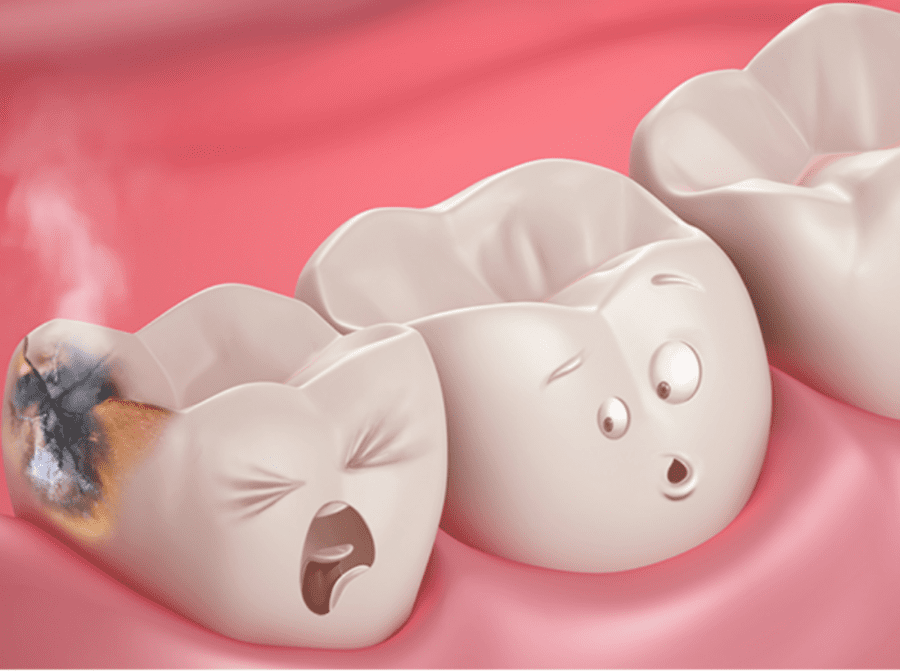
Sugarless candy has less sugar than its sugary counterpart, which makes it a better choice for those trying to avoid cavities. However, the overall effect of sugarless candy on your teeth is still debated. It’s important to note that while sugarless candy might reduce the risk of cavities, it also contains artificial sweeteners such as aspartame and xylitol.
What Is Sugar-Free Candy Made Of?
Sugar-free candy contains alternative sweeteners such as aspartame, sucralose, and erythritol. Aspartame is a low-calorie sweetener commonly found in diet foods and drinks. Sucralose is another artificial sweetener that is often used in place of sugar in products such as baked goods and snacks. erythritol is a natural sweetener that is found in many fruits and fermented foods. It’s important to note that not all sugar-free candies are suitable for people trying to avoid dental decay. Some brands contain large amounts of sugar alcohol, which can cause digestive discomfort if consumed in large amounts.
Should You Eat Sugarless Candy?
Sugarless candy is a good choice if you’re trying to avoid tooth decay, but it’s important to eat it in moderation. One study found that eating large amounts of sugar-free sweets may cause a significant increase in dental caries, while other studies show that the risk is low if consuming the sweets occasionally. It’s important to remember that sugarless candy is not a healthy alternative to regular sweets. Most of these products are high in calories, contain high amounts of sugar and alcohol, and are high in fat.
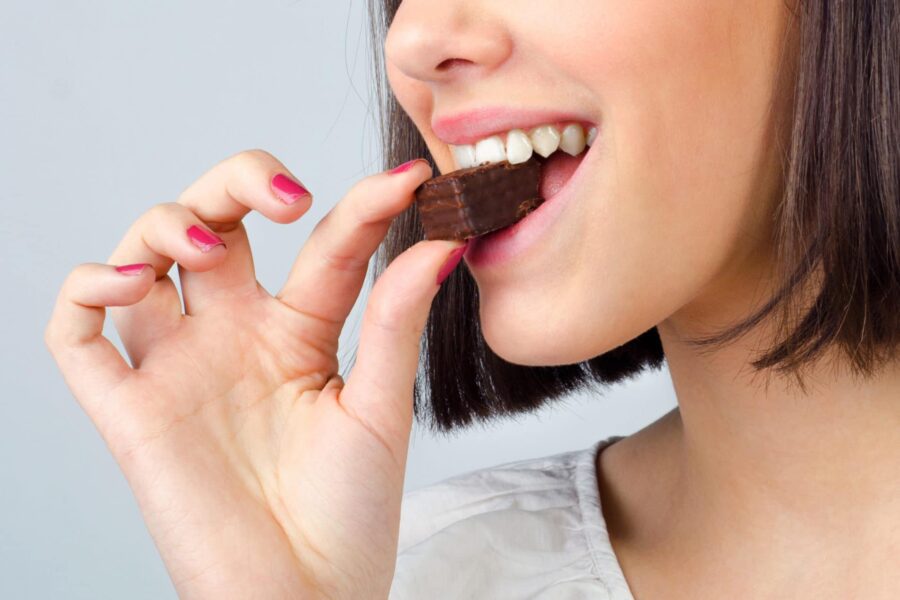
Sugar-Free Does Not Always Mean Acid-Free
Explain that some sugar-free sour sweets may contain acids that contribute to enamel erosion even when they are less likely to feed cavity-causing bacteria. This is an important distinction because the existing article focuses mainly on sweeteners and cavities.
Can Sugar-Free Candy Cause Tooth Sensitivity?
Acidic sugar-free candy may contribute to enamel erosion. As enamel becomes thinner, the underlying dentine may become more exposed, resulting in sensitivity to cold, hot, sweet or acidic foods. Sensitivity may also be caused by tooth decay, gum recession, cracks, teeth grinding or a damaged restoration. Persistent sensitivity should therefore be examined rather than assumed to be caused only by candy.
Conclusion
Sugarless candy is usually less likely to cause tooth decay than candy containing regular sugar, but it is not automatically harmless. Sugar substitutes such as xylitol, sorbitol and erythritol are generally less readily converted into cavity-causing acids by oral bacteria. However, sugar-free sour candies may contain acids that directly erode enamel, while sticky or slowly dissolving products can remain in contact with the teeth for longer periods. A better choice is an occasional, non-acidic sugar-free product rather than repeatedly consuming sour or sticky sweets throughout the day. Sugar-free chewing gum may provide an additional benefit by increasing saliva, but no sweet can replace fluoride toothpaste, interdental cleaning and regular dental examinations.
Frequently Asked Questions
Can sugar-free candy cause cavities?
It is generally less likely to cause cavities than ordinary candy, but the risk is not necessarily zero. Some products contain other fermentable carbohydrates, and frequent snacking may still contribute to an unhealthy oral environment.
Can sugar-free sour candy damage enamel?
Yes. Sour sugar-free candy may contain dietary acids that soften and erode enamel even though the product does not contain regular sugar.
Is xylitol candy safe for teeth?
Xylitol is generally considered non-cariogenic and is less likely to support cavity-causing acid production than regular sugar. However, xylitol candy should still be consumed in moderation, especially when it also contains acidic flavourings.
Is sugar-free gum better for teeth than candy?
Sugar-free gum may be more helpful because chewing stimulates saliva, which helps neutralise acids and clear food particles. It should not replace brushing and interdental cleaning.
Should I brush immediately after eating sour candy?
Rinse with water first and avoid brushing immediately after acidic candy because the enamel may be temporarily softened. Continue normal brushing with fluoride toothpaste after the mouth has had time to recover.