Dental treatment does not always end in the dentist’s chair. Crowns, bridges, veneers, dentures and implant-supported teeth usually require careful planning and fabrication in a dental laboratory. The dental lab converts the dentist’s clinical records into a restoration designed for the patient’s mouth. Accurate laboratory work can influence how naturally a restoration looks, how comfortably it fits and how well it functions while speaking and chewing. This makes communication between the dentist and dental technician an important part of restorative and implant dentistry.
What is Dental Lab Work?
Dental lab work is the process of making artificial teeth and related dental parts in a laboratory. This is often done to replace teeth that have been lost or to repair severely damaged teeth. Lab work is also used to make dentures and other oral devices. The term “dental laboratory” is broader than the term “dental lab work” because all of the products made in dental laboratories are, by definition, a part of dental laboratory work.
What Is Dental Laboratory Work?
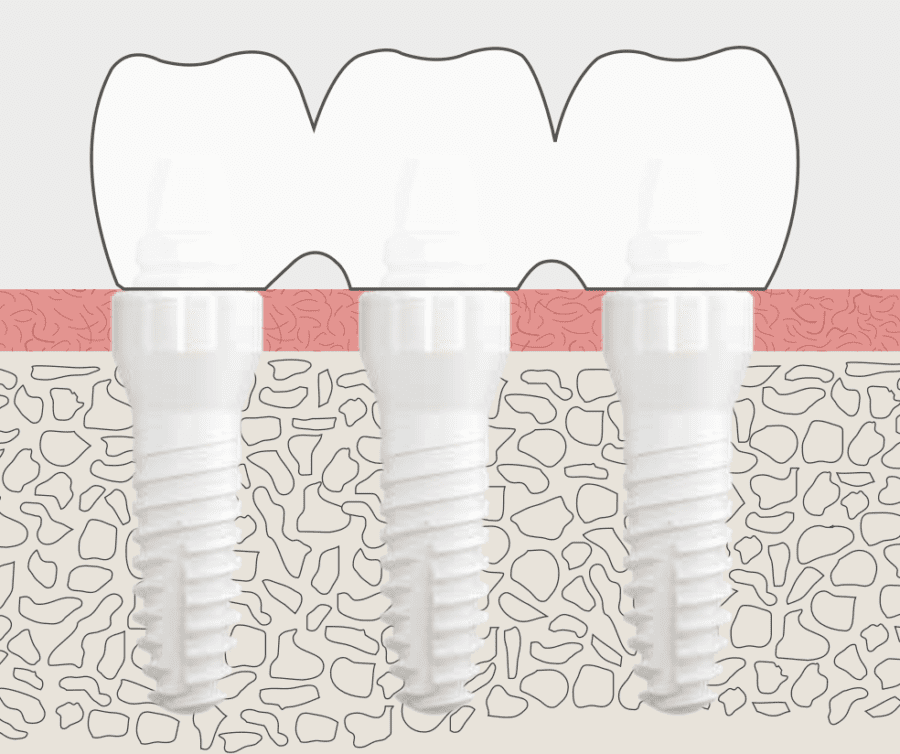
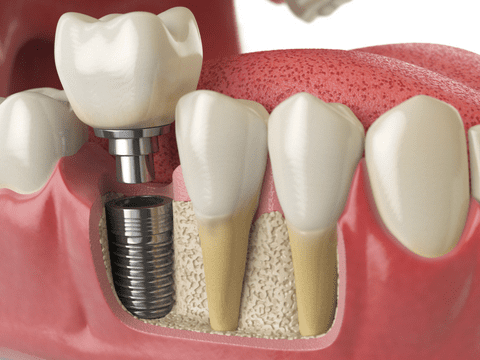
Dental laboratory work involves designing and manufacturing customised dental restorations and appliances. Depending on the treatment, the laboratory may work with physical impressions, digital scans, photographs, bite records and information about the desired tooth and gum shade. Common laboratory-made restorations include crowns, bridges, veneers, removable dentures, implant prostheses, surgical guides and full-arch dental restorations.
Why Is Dental Lab Work Important?
The quality of a restoration depends on more than the material used. Its fit, contours, bite, contact with neighbouring teeth and appearance must all be planned carefully. Good dental laboratory work helps the dentist achieve:
- A closer fit over the prepared tooth or implant
- Comfortable contact with the opposing teeth
- Natural-looking tooth shape and shade
- Appropriate support for chewing and speech
- Smooth contours that patients can clean properly
- Better coordination in complex implant and full-mouth cases
A crown that looks attractive but does not fit or function correctly may cause discomfort, food lodgement, bite problems or difficulty maintaining oral hygiene.
They also do not require as much cleaning because they don’t have crevices where bacteria can build up. And they are less likely to break again because they are sturdier than natural teeth. Because dental lab work has become an increasingly popular way to repair teeth and because there are different types of materials used, dentists can select the ones that are best for a patient’s needs or desires.
What does a Dental Laboratory Technician do?
Dental lab technicians may specialize in different kinds of dental lab work. Some specialize in crown and bridge work, which involves making artificial teeth to cover unbroken teeth and the spaces between teeth. They also may specialize in dentures, which are removable artificial teeth. Some dental lab technicians may specialize in orthodontic appliances, such as orthodontic retainers and mouth guards.
Technicians may specialize in other kinds of dental lab work, such as making dentures, inlays and outlays, and copings and facings. They first make a model of the person’s teeth, gums and other parts of the mouth. They use the model to make a wax or plastic replica of the actual teeth and gums. The technician then uses the replica to make a denture, crown or another piece of it.
How Dentists and Dental Technicians Work Together

The dentist examines the patient, diagnoses the problem and prepares the treatment plan. The dental technician uses the clinical information supplied by the dentist to design and fabricate the required restoration. For more predictable results, the dentist may provide digital scans, photographs, bite records, implant positions, material preferences and shade information. Complex cases may require additional communication between the dentist and laboratory before the final restoration is made.
How Digital Dental Laboratories Improve Accuracy
Modern dental laboratories increasingly use CAD/CAM technology, digital scanners, milling machines and 3D printers. These technologies help technicians design restorations digitally and reproduce the planned dimensions with greater consistency. Digital workflows can also make it easier for the dentist and laboratory to review tooth shape, bite relationships and implant positions before fabrication. However, technology still requires careful clinical planning, material selection and experienced finishing by the dental team.
What Happens During the Dental Lab Process?
The process normally begins with an impression or intraoral digital scan. The dentist also records the bite and selects the required material and shade. The laboratory then creates a digital or physical model, designs the restoration and manufactures it using techniques such as milling, casting, layering or 3D printing. The restoration is finished, polished or glazed before being sent to the dentist for evaluation and fitting. The dentist checks its fit, bite, appearance and accessibility for cleaning before final placement.
What comprises of Dental Lab Work?
- Impressions: The first step in dental lab work is to take impressions of the patient’s teeth and mouth. These impressions are used to create a model of the patient’s teeth that can be used as a guide for creating the dental prostheses.
- Design: Once the model is created, the dental technician will use it to design the dental prosthesis, appliance, or restoration. This involves selecting the appropriate materials and creating a design that will fit the patient’s mouth and provide the desired functionality.
- Fabrication: After the design is completed, the dental technician will begin the fabrication process. This can involve using a variety of techniques and materials, such as casting, milling, or 3D printing, to create the dental product.
- Finishing: Once the dental product is fabricated, it will go through a finishing process to ensure that it is smooth and free of imperfections. This may involve polishing, staining, or glazing, depending on the type of product.
- Delivery: Once the dental product is finished, it will be delivered to the dentist, who will then fit it to the patient’s mouth and make any necessary adjustments.
Does an In-House Dental Laboratory Make a Difference?
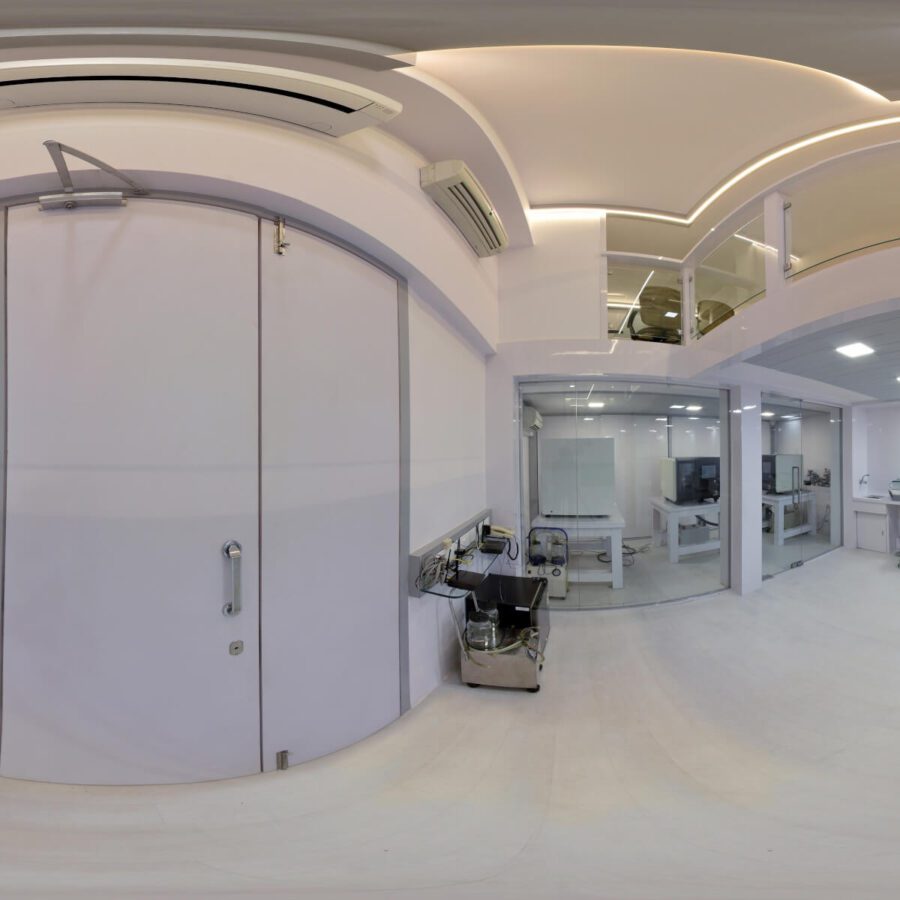
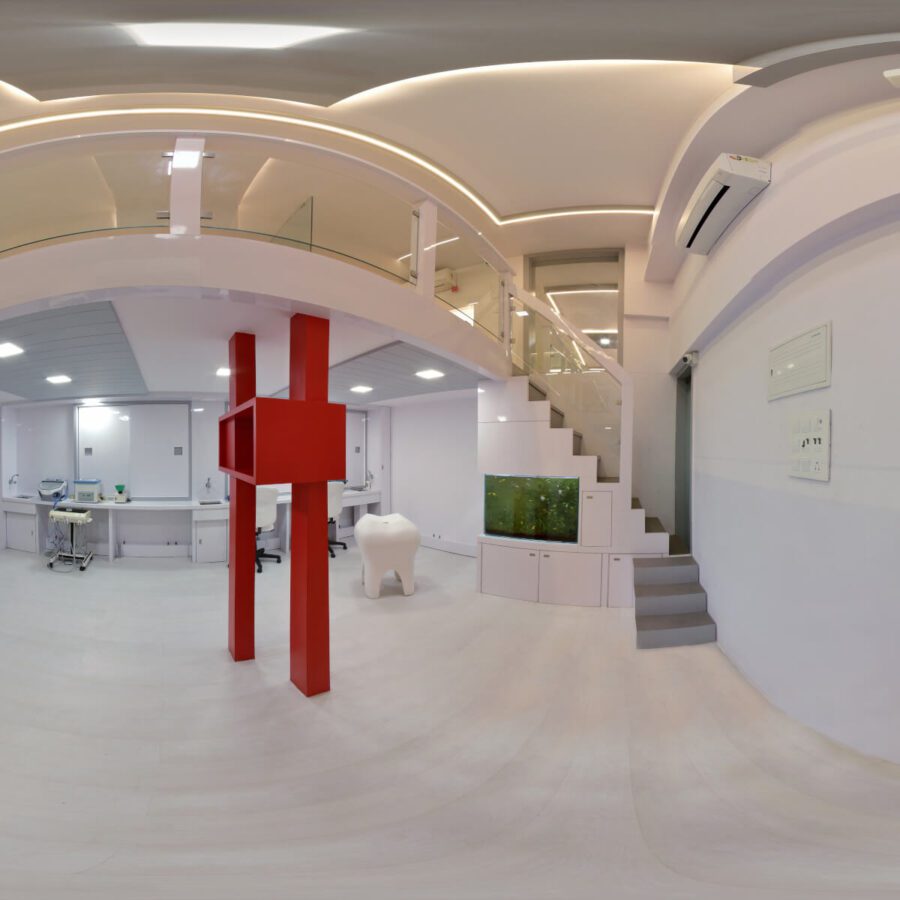
Access to an in-house or closely coordinated dental laboratory can improve communication between the dentist and technician. It may allow quicker review of scans, shades, bite records and design changes.
At Royal Dental Clinics, digital planning and laboratory coordination are used for selected crowns, bridges, implant prostheses and full-mouth rehabilitation cases. Whether treatment can be completed on the same day depends on the clinical condition, restoration type and complexity of the case.
How Long Does Dental Lab Work Last?
No crown, bridge, veneer, denture or implant prosthesis can be considered permanently maintenance-free. Its longevity depends on the material, fit, bite forces, oral hygiene, diet, teeth grinding and regular dental follow-ups. Patients should continue brushing, cleaning around the restoration and attending periodic dental examinations. A dentist should assess any restoration that feels loose, causes pain, traps food or changes the way the teeth meet.
Conclusion
Dental laboratory work forms the connection between treatment planning and the final dental restoration. Careful design, accurate fabrication and clear communication between the dentist and technician help create teeth that fit comfortably, function properly and complement the patient’s smile. If you are considering a dental crown, bridge, denture, implant or full-mouth rehabilitation, ask your dentist how the restoration will be planned, manufactured and checked before placement.
Frequently Asked Questions
What work is performed in a dental laboratory?
Dental laboratories manufacture crowns, bridges, veneers, dentures, implant prostheses, dental frameworks, surgical guides and other customised dental appliances.
Are dental crowns made in a laboratory?
Most dental crowns are designed and fabricated in a dental laboratory. Some clinics with in-house CAD/CAM facilities may manufacture selected crowns within the clinic.
What information does a dental technician need?
The technician may require an impression or digital scan, bite record, tooth preparation details, photographs, shade information and instructions about the selected restorative material.
Can digital dentistry provide a better-fitting crown?
Digital scans and CAD/CAM manufacturing can improve consistency and communication. However, the final result still depends on accurate tooth preparation, scanning, design, material selection and clinical fitting.
Can dental lab work be completed in one day?
Selected crowns and implant prostheses may be completed quickly when the clinic has an integrated digital workflow and laboratory support. Complex cases may require additional stages, trials or adjustments.
How should I care for a laboratory-made crown or bridge?
Brush twice daily, clean between and underneath restorations as instructed, avoid using the teeth to open objects and attend regular dental examinations. Inform your dentist if the restoration becomes loose, painful or uncomfortable.
At Royal Dental Clinics, it is the norm to have a patient’s entire appointment (including the assessment, crown production, and final placement) performed in a single visit. A digital duplicate of the patient’s case is made before any treatment is administered. This is done virtually, and the intraoral therapy is built using the virtual blueprint as a guide. Prior to carrying out any actual treatment on a patient, a simulation is conducted. Most people would rather go with a treatment that is both non-invasive and effective than one that is only short-term.